
The recent decision by President Donald Trump to end the unprecedented deportation surge in Minnesota marks a rare retreat in a presidency defined by bold immigration actions. Thousands of armed federal agents had been deployed to remove migrants across the state, and the fallout has left communities reeling. While the White House frames this as a public safety measure, the human cost and political consequences reveal a far more complex reality.
Operation Metro Surge: What Happened
At the height of Operation Metro Surge, around 3,000 immigration agents, up from the usual 150, were stationed across Minnesota. The stated goal was to arrest and deport migrants who allegedly posed risks to public safety. Yet in practice, the surge brought chaos. Residents of Minneapolis and other towns took to the streets in protest, while on several occasions, federal agents fatally shot two U.S. citizens who had come out to observe or challenge the operations.
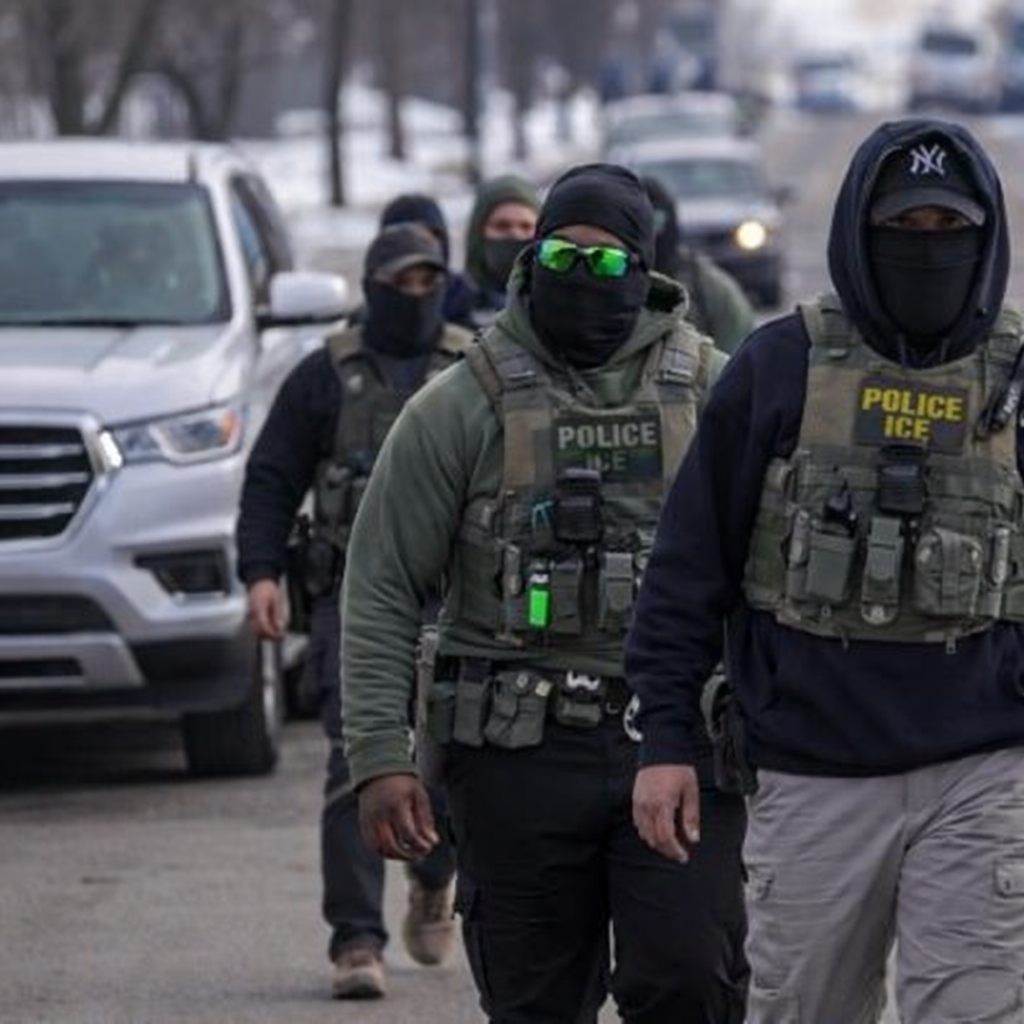
Trump’s plan, which aimed to demonstrate resolve on immigration, instead became a flashpoint for political and social unrest. Minnesota Governor Tim Walz condemned the surge, warning that the heavy-handed tactics had degraded public safety rather than improved it. For many in the state, the impact was immediate and personal fear in neighborhoods, disruption of schools, and tension in local businesses.
Public Outcry and Political Fallout
The sheer scale of the operation drew criticism not only from Democrats but from some Republicans as well. Lawmakers and citizens alike questioned the constitutionality and necessity of sending thousands of agents into communities where most residents had no connection to violent crime. The Trump administration’s framing of migrants in sweeping terms, as violent criminals or fraudsters, fueled outrage, particularly after two Americans lost their lives.
As federal agents began to withdraw, citizens, organizers, and local officials expressed skepticism. Avonna Starck, a school board member and community advocate, emphasized that partial withdrawal would not erase the harm inflicted. Miguel Hernandez, a local business owner, highlighted the ongoing damage, noting that the surge had left lasting scars on families and neighborhoods. The event demonstrates how top-down federal actions, even when legal, can clash with community norms and social cohesion.
The Human Cost
While officials stress that ICE will continue operations in a professional and compassionate manner, Minnesota communities are dealing with trauma that will not fade quickly. Residents recount a sense of occupation, with military-style enforcement disrupting daily life. Minneapolis Mayor Jacob Frey described the experience as catastrophic, but also noted that local resolve and community solidarity have allowed residents to endure.
The lessons here extend beyond Minnesota. Deploying mass federal resources into civilian areas without proper coordination can create a backlash that undermines the intended goal of public safety. Even in a legal sense, the surge has prompted federal judges to reprimand officials for defying court orders, highlighting the tension between aggressive enforcement and constitutional rights.
Bottom Line
Trump’s retreat from the deportation blitz in Minnesota signals that even presidential authority has limits when confronted with local resistance and political scrutiny. While Operation Metro Surge was framed as a step to protect the public, the human, social, and political costs reveal a far messier reality. Communities continue to recover, citizens remain wary, and the debate over aggressive immigration enforcement is far from over.