
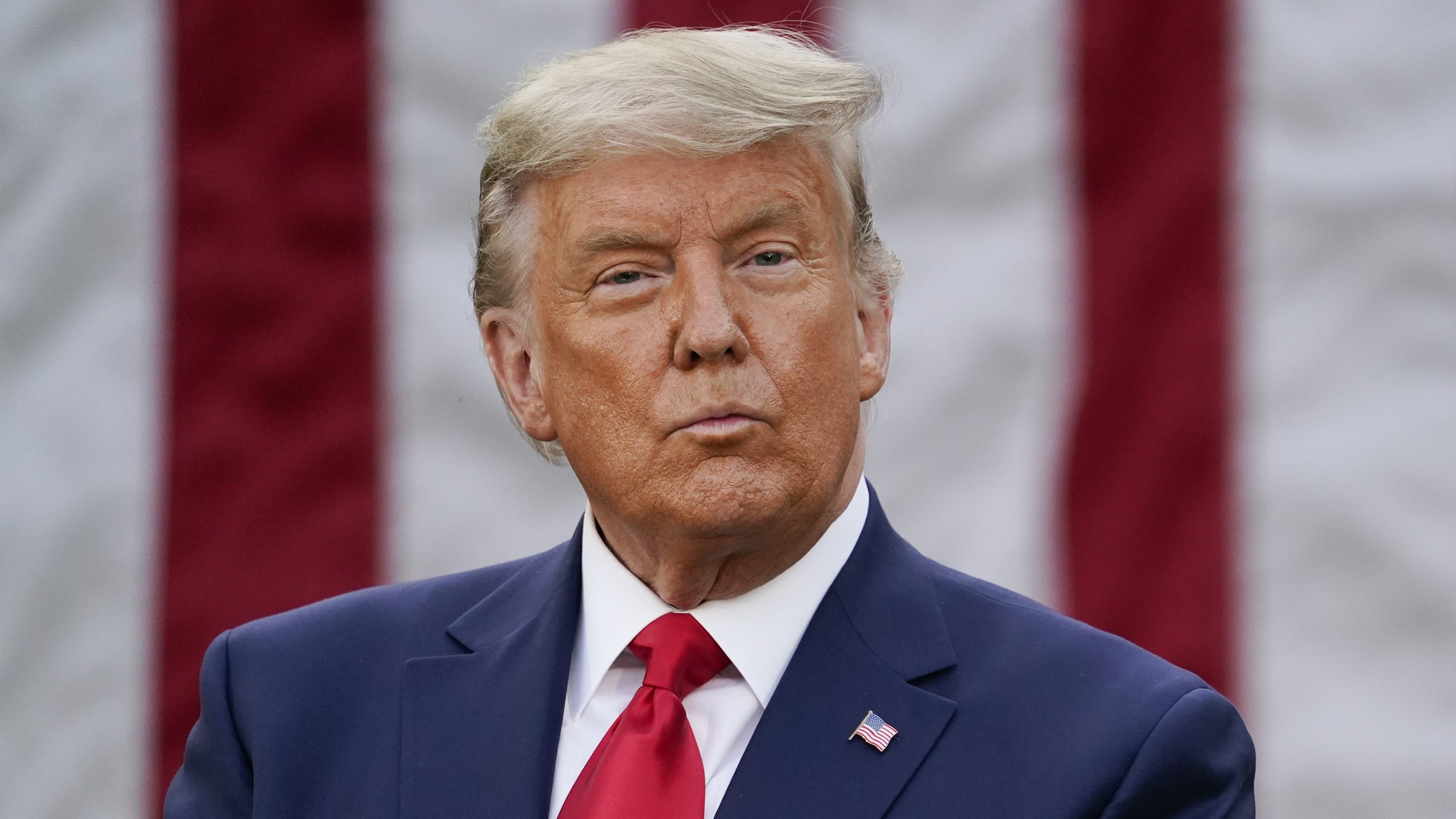
President Donald Trump told Axios in an interview Thursday that he must be personally involved in selecting Iran’s next leader — and made clear that the slain supreme leader’s son is unacceptable.
“Khamenei’s son is unacceptable to me. We want someone that will bring harmony and peace to Iran,” Axios quoted Trump as saying.
His reference was to Mojtaba Khamenei, the 56-year-old cleric and son of Ayatollah Ali Khamenei, who was killed in the opening wave of U.S.-Israeli strikes Saturday. Iranian sources told Reuters that Mojtaba survived the airstrikes and is viewed as a frontrunner to succeed his father.
Trump compared the situation to Venezuela, where U.S. forces captured President Nicolás Maduro in January. Following his removal, Vice President Delcy Rodríguez was sworn in as interim leader with Washington’s support.
“I have to be involved in the appointment, like with Delcy in Venezuela,” Trump said.
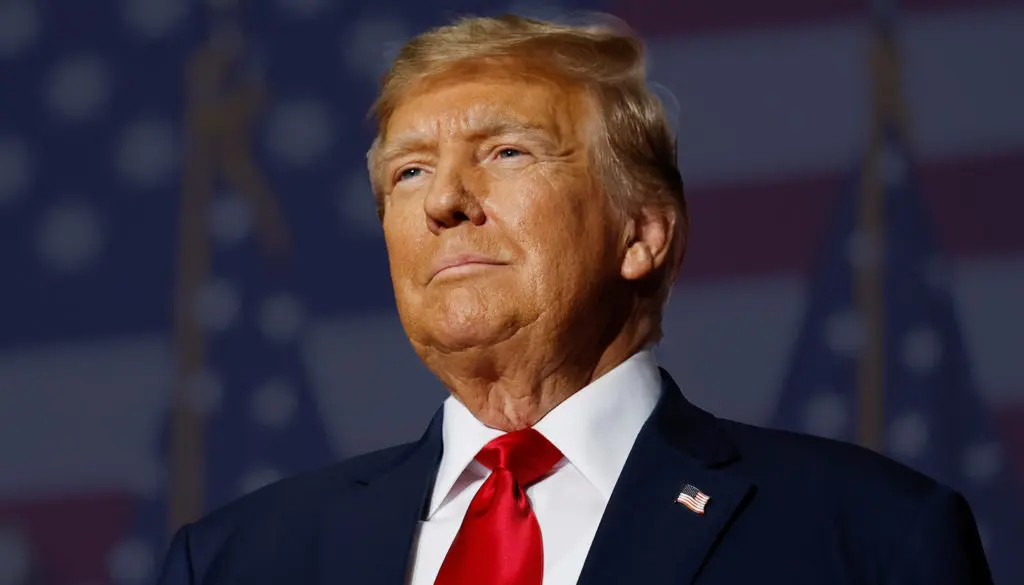
The Frontrunner
Mojtaba Khamenei has long been a shadowy but powerful figure in Iran’s clerical establishment. A mid-ranking cleric with close ties to the elite Revolutionary Guards, he is said to have amassed significant power and wealth under his father’s rule.
He has never held a formal government office but has been described by insiders as the “gatekeeper” to the supreme leader, controlling access and managing key files. His candidacy has been rumored for years, but his father’s sudden death has accelerated the succession process.
Two Iranian sources told Reuters that Mojtaba is considered the leading candidate, though the Assembly of Experts — the 88-member body responsible for selecting the next supreme leader — has not yet announced a decision.
Trump’s public rejection of Mojtaba throws an extraordinary diplomatic wrench into that process.
The Venezuela Model
Trump’s reference to Venezuela offers insight into his thinking. After Maduro’s capture, the U.S. worked with existing government structures to install Rodríguez, ensuring continuity while removing the leader Washington opposed.
“I have to be involved in the appointment, like with Delcy in Venezuela,” Trump said, suggesting he envisions a similar outcome in Iran: the existing regime, but with a leader acceptable to the United States.
Whether Iran’s clerical establishment would accept such an arrangement is highly doubtful. The Islamic Republic was founded on the principle of resistance to American influence, and Khamenei himself repeatedly denounced U.S. interference in Iran’s affairs.
But five days of devastating airstrikes have left Iran’s leadership in disarray. More than 1,000 Iranians have been killed. The supreme leader is dead. His successor remains unnamed. And now the American president is publicly dictating terms.
The Assembly’s Dilemma
The Assembly of Experts faces an excruciating choice. Selecting Mojtaba would defy Trump’s explicit demand — and risk continued war. Choosing a different candidate might be seen as capitulation to American pressure.
Ayatollah Ahmad Khatami, a member of the assembly, told state TV earlier this week that candidates had been identified and a decision was imminent. “The supreme leader will be identified in the closest opportunity. We are close to a conclusion,” he said. “However, the situation in the country is a war situation.”
That war situation now includes the American president publicly vetoing the leading candidate.
What Comes Next
Trump’s comments are likely to harden positions in Tehran. Hardliners who might have backed Mojtaba will see any alternative as American-imposed. Those who oppose the Khamenei dynasty may be emboldened.
For the Assembly of Experts, the choice is no longer just about who can lead Iran. It’s about whether Iran’s next leader will be chosen in Tehran — or dictated from Washington.
Iran has not yet announced a new leader. When it does, the world will know whether Trump got his way.