The ongoing 2026 midterm campaigns have turned increasingly heated as top Republican leaders such as Trump and Vance escalate anti-Muslim attacks in the midterms to build momentum among conservative voters following the recent primary election results in Michigan. Former public health official Abdul El-Sayed recently won the Democratic primary for Michigan’s open U.S. Senate seat. Almost immediately after his victory, President Donald Trump and Vice President JD Vance launched a series of sharp personal jabs at him, bringing his faith and family background directly into the political spotlight.
Harsh Campaign Jabs Target Michigan Nominee
Hours after the election results were confirmed, Donald Trump posted online calling El-Sayed a “Communist loser who hates Jews and Israel.” Later in the week, Trump shared photos online comparing his own family to El-Sayed’s family. El-Sayed noted that the photo drew specific focus to his wife wearing a hijab, which he described as a clear attempt to imply his family is somehow less American.
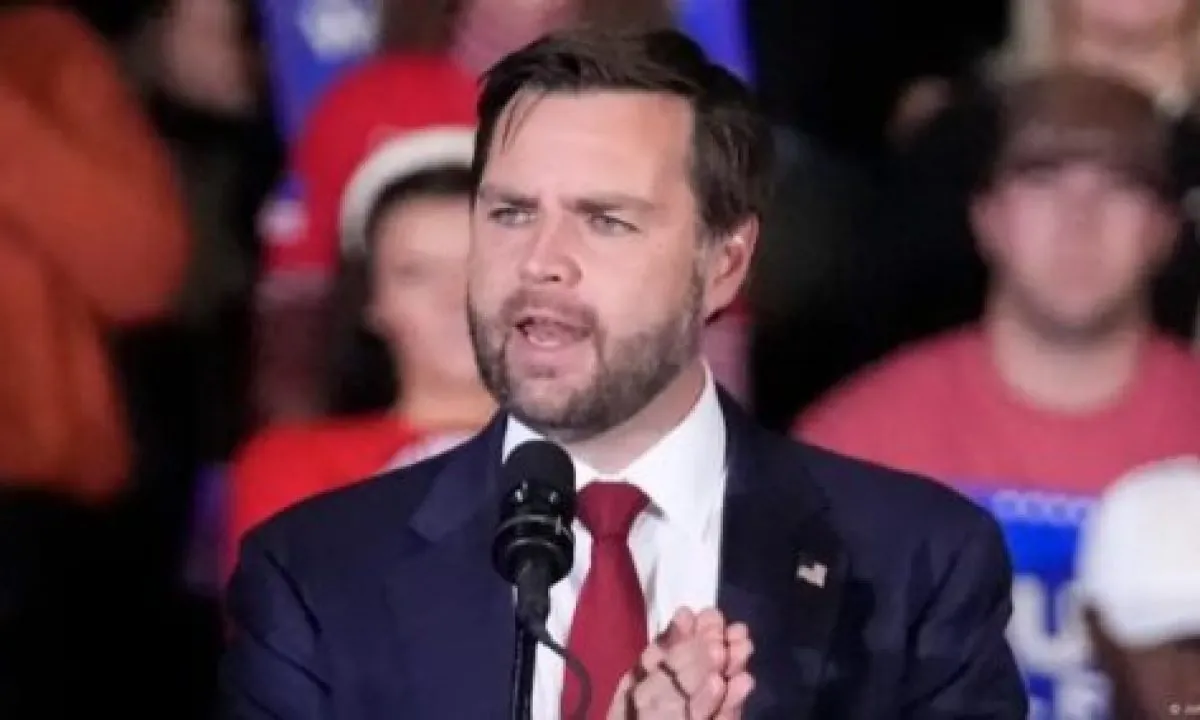
Vice President JD Vance carried these themes further during a speech in Sterling Heights, Michigan. Vance told the crowd that there was “something about Abdul El-Sayed that is very, very evil” and claimed the candidate was trying to divide people along ethnic lines. The Vice President also urged Michigan voters to reject El-Sayed in favor of the Republican nominee, Mike Rogers.
El-Sayed Pushes Back Against the Statements
Abdul El-Sayed has refused to stay silent in the face of these comments. Calling Vance’s words a clear political “dog whistle,” El-Sayed countered that true evil is taking away healthcare from working families and making everyday groceries more expensive through trade wars. He added that working people in Michigan understand what is at stake and will focus on real economic issues when they go to the polls this November.
Republicans hope this strong messaging will help unite their base behind Mike Rogers in a key battleground state. However, community groups and local leaders have expressed concern that using religious identity as a political weapon creates deep division and turns attention away from the actual issues affecting everyday families.
Opinion
When political campaigns rely on personal insults and religion rather than actual policies, voters are the ones who lose. Seeing national leaders use someone’s faith or family photos as a campaign weapon feels out of touch with what regular people care about every day.
In a major election, voters want to hear real solutions to real problems. People in Michigan are dealing with high grocery bills, healthcare costs, and job security. Insulting a candidate’s background does nothing to fix a single road, lower a medical bill, or help a local business grow.
Trump and Vance escalating anti-Muslim attacks in midterms shows a strategy aimed at stirring up fear instead of offering helpful answers. Campaigns ought to be about who has the better plan for the public good. Returning to honest debates about policy, healthcare, and the economy is the only way politicians will actually earn the trust of the people they want to represent.