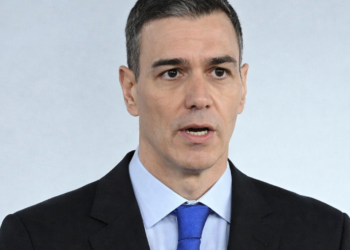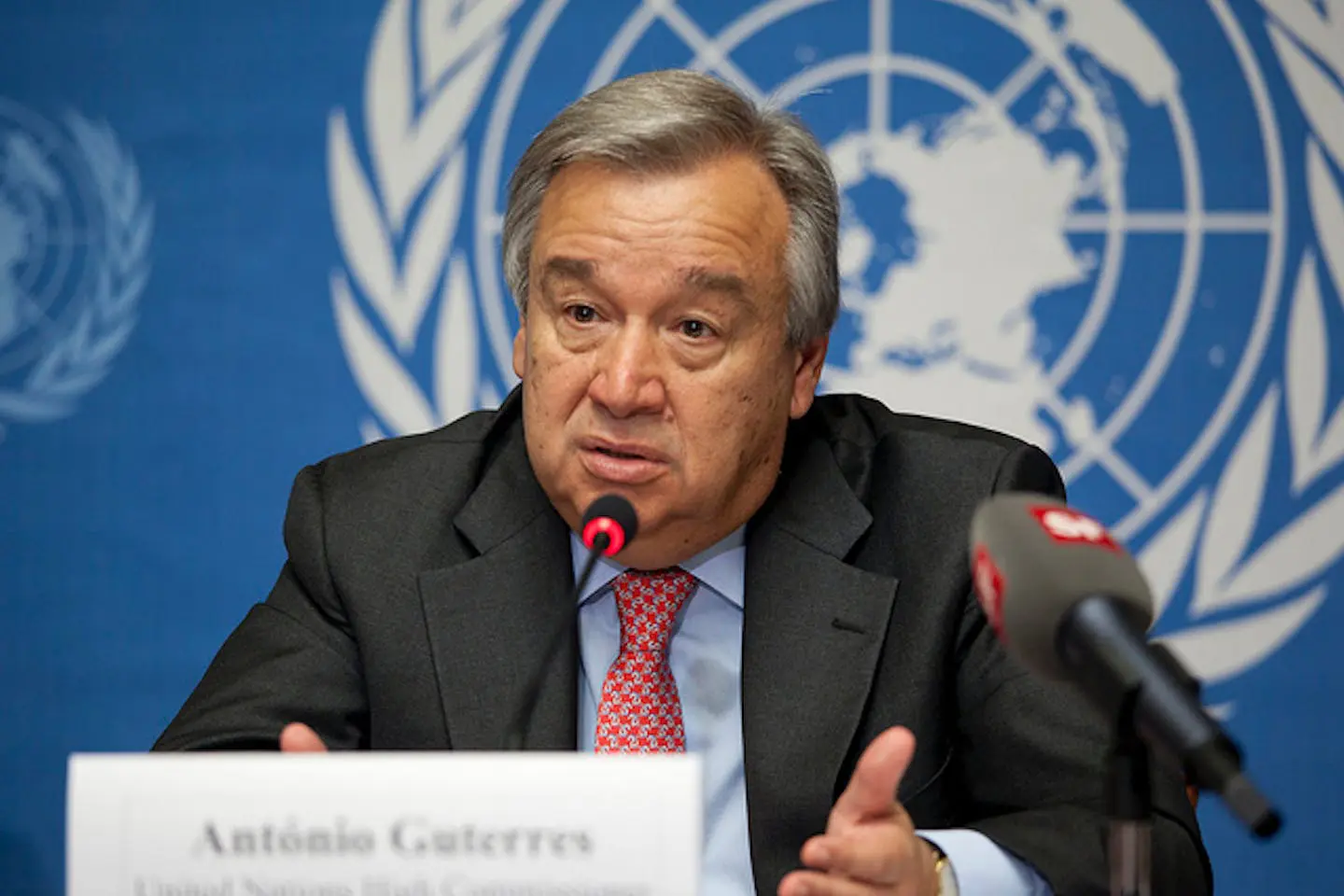
With global supply chains for oil, gas, and crucial nitrogen fertilizers “choking” under the weight of the ongoing conflict, U.N. Secretary-General Antonio Guterres has tapped Jean Arnault to lead a last-ditch mediation effort. Arnault, a 30-year veteran of peace settlements in Afghanistan and Colombia, enters a fray where the closure of the Strait of Hormuz is no longer just a regional military issue; it is a threat to the global dinner table.
The Fertilizer Time Bomb
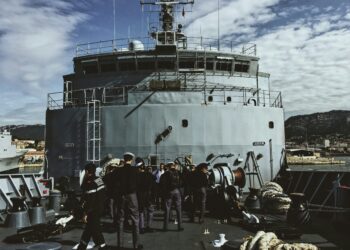
Guterres highlighted a terrifying reality: the war is peaking exactly during the global food planting season. A UN World Food Programme analysis warns that tens of millions will face starvation if a resolution isn’t reached by June. Gulf nations are the primary suppliers of raw materials for fertilizers. “Without fertilizers today, we might have hunger tomorrow,” Guterres cautioned in New York.
Initiatives in Motion
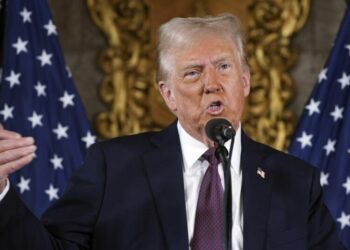
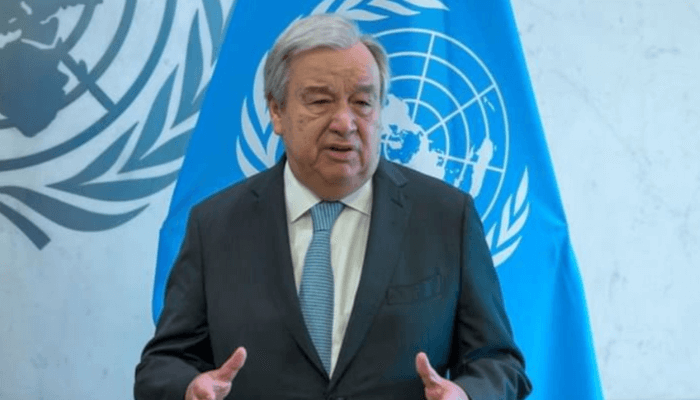
While the U.S. and Israel pursue their own agendas, Guterres noted that several dialogue initiatives are underway, and Arnault’s mission is to ensure these “must succeed” before the escalation ladder breaks. The appointment comes at a moment of extreme geopolitical volatility. While the U.N. tries to de-escalate, Hezbollah chief Naim Qassem has vowed “war without limits,” and President Trump remains in a high-stakes standoff with Tehran. Even domestic issues are complicating the picture, with farmers in France reconsidering their sowings due to soaring costs, a direct ripple effect of the Gulf’s energy paralysis.
Too Little, Too Late?
From my perspective, appointing an envoy like Arnault is a classic U.N. maneuver that feels dangerously late. While Arnault has an impeccable track record in traditional civil wars, the “Iran War” of 2026 is a multi-front, high-tech decapitation conflict involving nuclear powers and global energy markets.
Guterres is right about the “fertilizer famine”—the world is about to realize that you can’t eat “Operation Epic Fury.” If Arnault cannot convince the Trump administration and the new Iranian leadership to prioritize the global food supply over regional dominance, the casualties of this war won’t just be in the Middle East; they will be in every developing nation that can no longer afford to grow its own wheat.