
A major public health milestone achieved at the turn of the century has officially unraveled, as the U.S. loses measles elimination status after 26 years following a surge of continuous domestic outbreaks. Researchers familiar with the decision confirmed on Saturday that the Pan American Health Organization (PAHO), the regional Americas office for the World Health Organization, revoked the designation after the United States failed to halt local transmission for more than 12 months.
According to the Centers for Disease Control and Prevention (CDC), the country has recorded 5,412 confirmed measles cases across 45 states and Washington, D.C., so far in 2026, more than double last year’s 30-year record of 2,242 cases. Roughly one-third of this year’s infections trace directly back to outbreaks that began in 2025, resulting in over 590 hospitalizations and multiple fatalities across Pennsylvania, New York, and Wisconsin. PAHO officials are scheduled to hold a formal news conference on Tuesday to address the setback.
Falling Vaccination Rates
Public health experts warn that losing elimination status means population immunity has dropped low enough to allow sustained chains of local transmission rather than isolated, imported cases that quickly burn out.
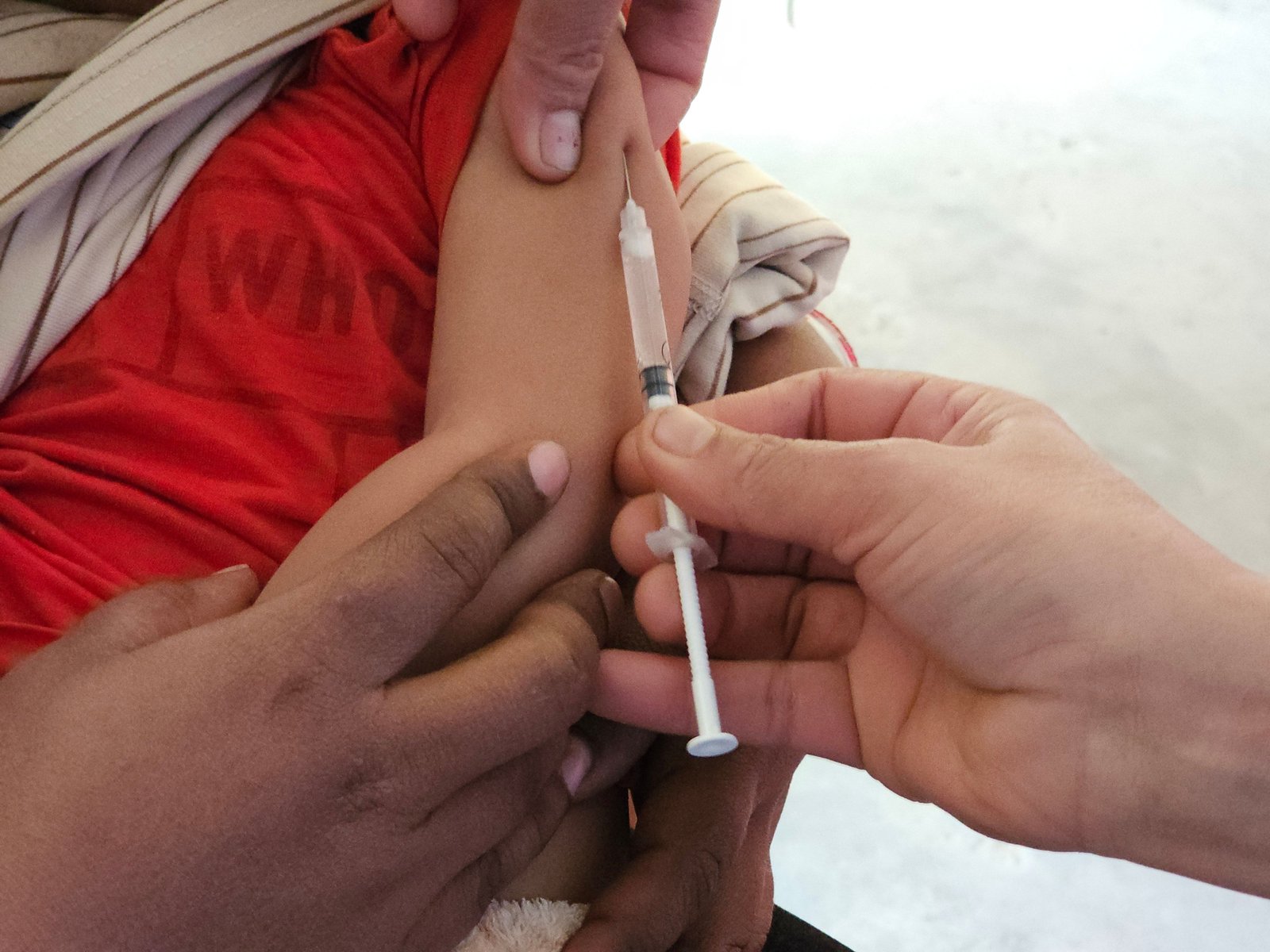
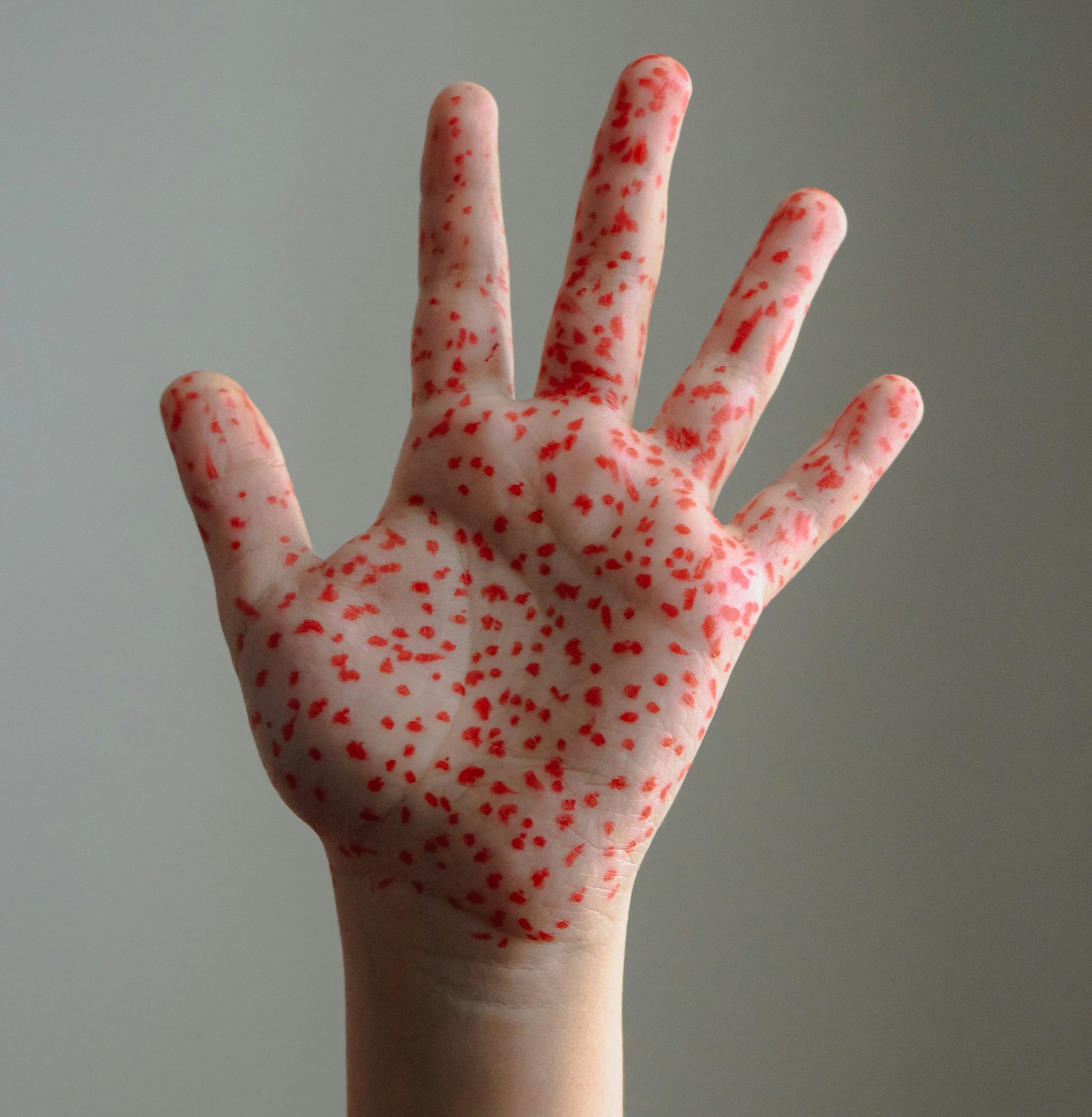
CBS News medical correspondent Dr. Céline Gounder noted that emergency rooms and pediatricians must now watch for measles in any patient showing a fever and rash regardless of travel history, warning that the United States risks becoming an exporter of the virus abroad. Data shows that 96% of Americans infected in 2026 were either unvaccinated or unsure of their immunization status, compared to just 2% who had received both doses of the measles, mumps, and rubella (MMR) vaccine, which is 97% effective at preventing infection.
Epidemiologist Dr. Omer Awan called the reversal heartbreaking because the country already possesses the exact medical tool needed to stop the virus. However, kindergarten MMR coverage has slipped below PAHO’s 95% herd-immunity threshold in numerous communities, driven in part by nine states making it easier to opt out of school vaccine requirements in 2025. Because measles is one of the world’s most contagious respiratory viruses, babies too young for shots, pregnant women, and immunocompromised individuals now face the greatest danger of severe complications such as pneumonia, encephalitis, deafness, or death.
A Century of Progress Undone and the Path Back
Before the measles vaccine became widely available in 1963, the virus infected an estimated three to four million Americans annually, sending tens of thousands to the hospital and killing 400 to 500 people—mostly children, every single year. Decades of disciplined public health campaigns drove cases down by 80% by 1981 and secured official elimination status in 2000. Even temporary spikes, such as the 2015 Disneyland outbreak in California and the 2018–2019 outbreak in New York, were successfully contained through targeted health interventions and tighter exemption rules.
Now, as the U.S. loses measles elimination status after 26 years, regaining that standing will require interrupting all local transmission for at least 12 consecutive months, strengthening disease surveillance, and restoring childhood vaccination rates back to 95% or higher. With state legislatures set to reconvene in January to review school immunization policies, public health leaders stress that reversing this preventable crisis depends on decisive policy action and renewed public trust, before this measles elimination status becomes a permanent reality for future generations.
My View
Losing a hard-won health achievement that protected American children for more than a quarter-century is not a mystery of science; it is a failure of leadership, policy, and basic civic responsibility.
We are not dealing with an unknown virus without a cure. Medical science solved this problem more than sixty years ago with a safe, proven vaccine that stops measles 97% of the time. Yet over the past few years, reckless medical misinformation and short-sighted state lawmakers loosening school vaccine exemptions have chipped away at the wall of community immunity that keeps everyone safe.
When healthy adults and parents choose to ignore basic preventative medicine, the people who pay the highest price are not always the ones making that choice, they are newborn babies too young to be vaccinated, pregnant mothers, and neighbors battling serious illnesses. Public health officials and state legislatures must stop treating basic disease prevention like a political game, restore sensible school immunization standards, and protect vulnerable families from a dangerous disease we already knew how to beat.