
Ghana is leading a landmark push at the UN General Assembly to declare the transatlantic slave trade “the gravest crime against humanity” and demand compensation from nations that profited from it — setting up a diplomatic showdown with Western powers that have long resisted reparations.
The resolution, co-sponsored by the African Union and the Caribbean Community (CARICOM), urges member states to consider apologizing for the slave trade and contributing to a reparations fund. A vote is expected on Wednesday.
“This was the most horrendous crime that took place in the history of mankind,” Ghana’s Foreign Minister Samuel Okudzeto Ablakwa told the BBC’s Newsday program. “We are demanding compensation — and let us be clear, African leaders are not asking for money for themselves.”
What the Resolution Says
The proposal recognizes the transatlantic slave trade as “the gravest crime against humanity” and calls on UN member states to consider issuing formal apologies, contribute to a reparations fund, and return cultural artifacts stolen during the colonial era.
Ablakwa said the compensation would go toward “educational and endowment funds, skills training funds” — not personal payouts.
“We want justice for the victims,” he said.
The Resistance
The resolution is likely to face opposition from the United Kingdom and other Western nations that have long rejected reparations, arguing that today’s institutions cannot be held responsible for past wrongs.
But advocates say the argument ignores how the wealth generated by slavery built those very institutions.
“The structures, the inequalities that we have all witnessed were because of the transatlantic slave trade which has left millions separated from the continent and impoverished,” Ablakwa said.
Between 1500 and 1800, an estimated 12 to 15 million people were captured in Africa and taken to the Americas to work as slaves. More than two million died on the journey.
The Artifacts
The resolution also calls for the return of cultural artifacts stolen during the colonial era.
“We want a return of all those looted artifacts, which represent our heritage, our culture and our spiritual significance,” Ablakwa said. “All those artifacts looted for many centuries into the colonial era ought to be returned.”
Ghana, one of the main gateways for the transatlantic slave trade, has long been a leading advocate for reparations. Forts where tens of thousands of enslaved Africans were once held under inhuman conditions still stand along the West African country’s coast.
Mahama’s UN Address
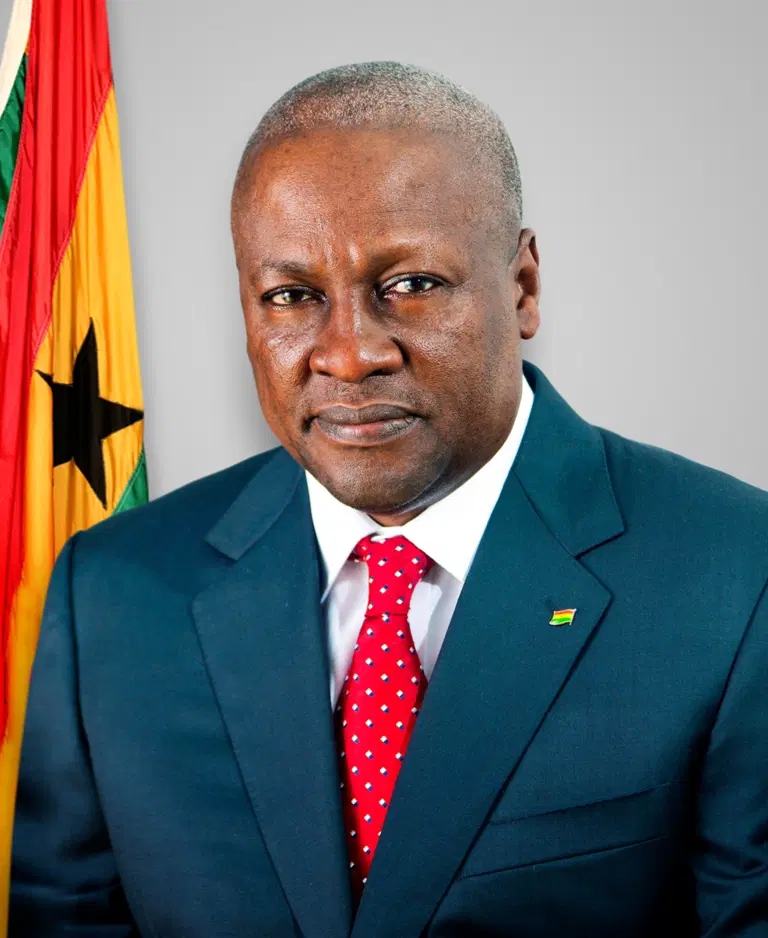
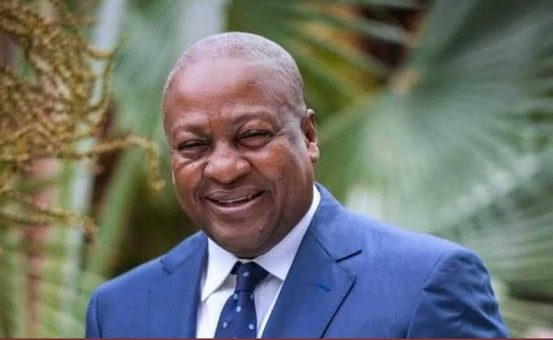
Ghana’s President John Dramani Mahama addressed the UN General Assembly on Tuesday, calling the resolution “historic” and “a safeguard against forgetting.”
He also took aim at the Trump administration, criticizing what he called the “normalizing of the erasure of black history.”
Since returning to power, President Donald Trump has targeted American cultural and historical institutions for promoting what he calls “anti-American ideology.” His orders have led to moves such as the restoration of Confederate statues and the dismantling of a slavery exhibit in Philadelphia.
“These policies are becoming a template for other governments as well as some private institutions,” Mahama warned.
The Momentum
The campaign for reparations has gained significant momentum in recent years. “Reparatory justice” was the African Union’s official theme for 2025. Commonwealth leaders have jointly called for dialogue on the matter.
Ablakwa said Ghana was not ranking its pain above anyone else’s — simply documenting a historical fact.
“We are not ranking pain,” he said. “But we cannot sweep under the carpet what happened.”
What Comes Next
The vote is expected on Wednesday. If passed, the resolution would be non-binding — but advocates say it would represent a historic shift in the global conversation on reparations.
For Ghana, which lost millions of its people to the trade and still bears the physical scars of its role as a gateway, the vote is not about guilt. It is about recognition.
“Many generations continue to suffer the exclusion, the racism because of the transatlantic slave trade,” Ablakwa said.
The question now is whether the nations that grew rich from that trade will agree.