
Moldova woke up to darkness on Saturday, and it did not start from inside its own borders. A sudden problem in Ukraine’s power grid split across the line and shut off electricity in large parts of Moldova, including the capital, Chisinau. What looks like a technical failure on paper is, in reality, another reminder of how fragile life has become in Eastern Europe because of the war next door.
This is not just about lights going off. It is about how one country’s pain is now shared by its neighbours.
A Quiet Morning Turns Chaotic
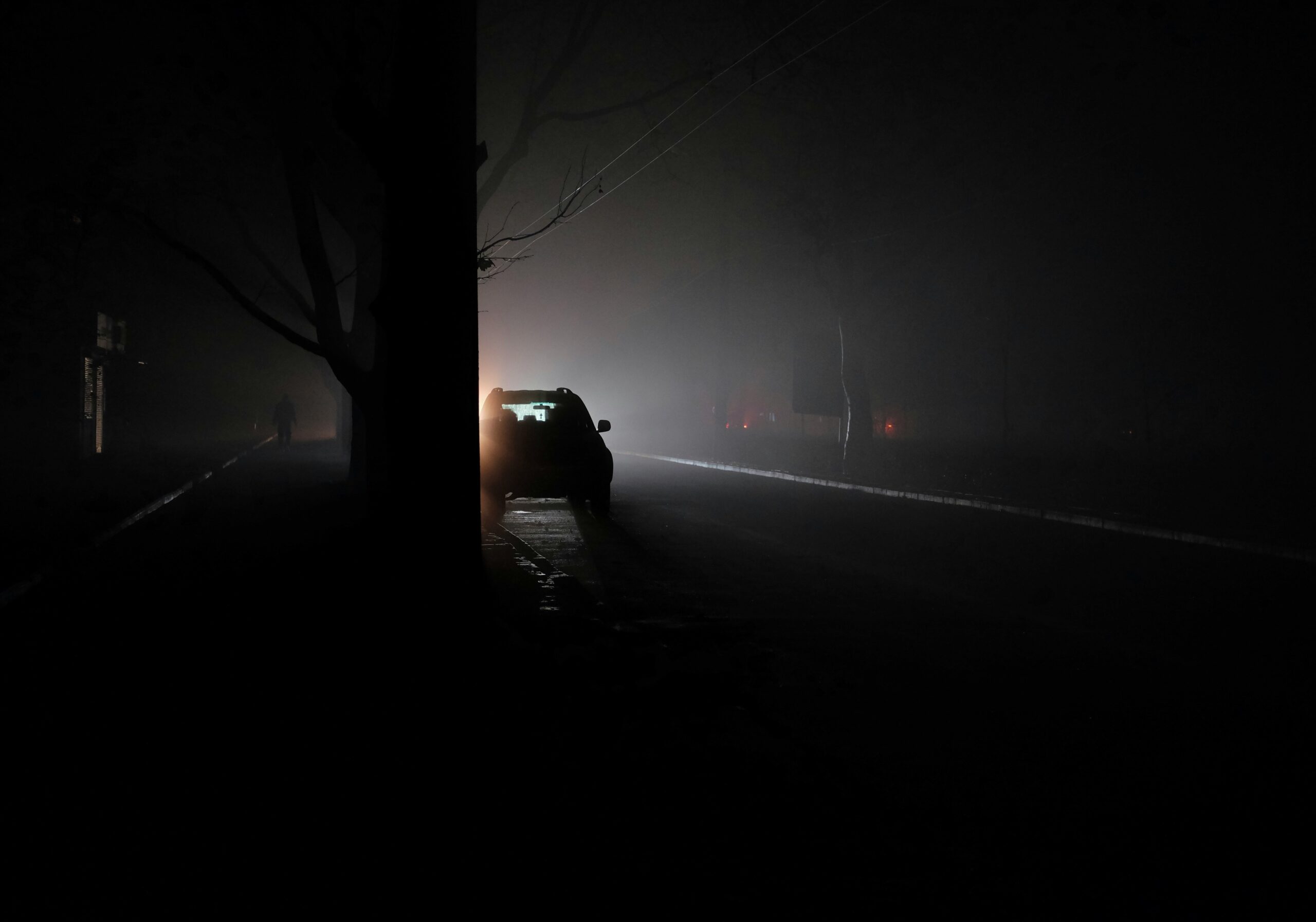
The blackout came without warning. One moment, homes and offices had power. Next, whole districts were cut off. In Chisinau, traffic lights stopped working. Streets became confused and tense. Shops shut their doors early. People stood outside their homes trying to understand what was happening.
Officials later said the problem came from Ukraine’s grid. A drop in voltage on a power line linking both countries triggered the emergency outage. For ordinary people, the technical details did not matter. What mattered was that daily life froze.
Moldova does not produce enough power on its own. It depends heavily on connections outside its borders. When those connections fail, the country feels it immediately. Saturday’s outage showed just how exposed the system still is.
When one neighbouring grid sneezes, Moldova catches a cold. This time, the cold came from Ukraine’s ongoing energy crisis, shaped by months of war and damage.
Ukraine’s Grid Under Constant Pressure
Ukraine is not facing normal grid problems. Its power system has been hit again and again by Russian strikes. Power stations, transmission lines, and key infrastructure have all been targets. For weeks, Ukrainians have lived with strict power limits.
On the same day Moldova went dark, parts of Ukraine also faced emergency power cuts. Kyiv’s metro stopped running. Water supply was temporarily halted. This shows the problem is deep and ongoing, not a one-day accident.
Ukraine is fighting to keep its lights on. Moldova is now feeling the shock waves.
When War Crosses Borders Without Soldiers
No missile landed in Chisinau. No troops crossed into Moldova. Yet the impact of war still arrived. Ukraine Grid Trouble Knocks Moldova Into Darkness is not just a headline; it is the new reality of modern conflict.
Energy is now a weapon. When power grids are hit, the effects do not stop at national borders. Neighbours suffer too, even if they are not part of the fighting.
This raises uncomfortable questions. How safe is Moldova if it cannot protect its basic services from events it cannot control? How prepared is the country for longer disruptions?
Daily Life Put on Pause
For many Moldovans, the blackout was more than an inconvenience. Businesses lost sales. Hospitals had to rely on backup systems. Families worried about food spoiling and heating failing, especially during winter.
Traffic chaos showed how much modern life depends on electricity. When traffic lights go off, order disappears fast. It is a small example of how quickly things can break down.
Silence and Uncertainty
Ukrainian energy officials did not immediately comment on the incident. That silence adds to the uncertainty. Moldova can fix local faults, but it cannot fix a neighbour’s war-damaged grid.
The big fear is not this single outage. It is the next one. And the one after that.
A Warning, Not Just a Blackout
This incident should be taken as a warning. Moldova’s leaders will likely talk about diversification and energy security again. They have said it before. But events like this show the urgency is no longer theoretical.
As long as the war continues, Ukraine’s grid will remain under stress. And as long as Moldova depends on that grid, darkness will always be one strike away. What happened on Saturday was temporary. The lesson should not be.