The United States has confirmed carrying out new military strikes in southern Iran, targeting missile facilities and boats allegedly attempting to deploy naval mines near the Strait of Hormuz.
In a statement released on Monday, the United States Central Command said the attacks were launched in “self-defence” and aimed at protecting American troops from threats posed by Iranian forces.
“US forces conducted self-defence strikes in southern Iran today to protect our troops from threats posed by Iranian forces,” said Centcom spokesperson Capt. Tim Hawkins.
He added, “US Central Command continues to defend our forces while using restraint during the ongoing ceasefire.”
According to reports, the strikes targeted areas close to Bandar Abbas, an important southern Iranian port city that hosts a naval base near the Strait of Hormuz.
Iranian state media had earlier reported explosions in the region, with local authorities investigating the incident.
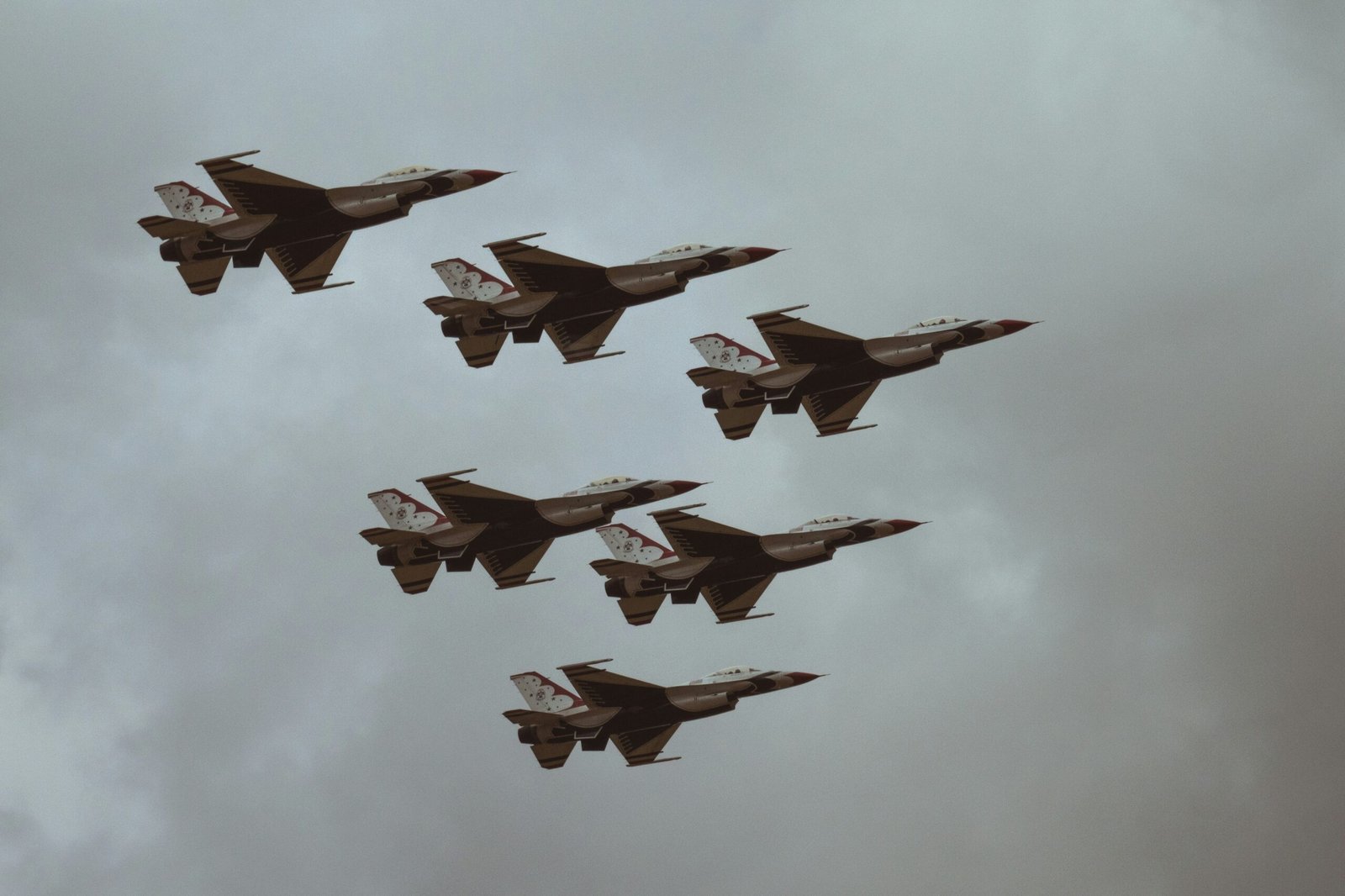
Meanwhile, Iran’s Islamic Revolutionary Guard Corps claimed on Tuesday that it shot down an American drone and opened fire on a US fighter jet and another drone after they allegedly entered Iranian airspace. The group did not specify when the confrontation occurred.
The IRGC also insisted that Iran reserves the “legitimate and definite” right to respond to any violations of the ceasefire agreement by the United States.
Despite the renewed hostilities, Marco Rubio said diplomatic efforts between Washington and Tehran were still ongoing.
Speaking during an official visit to India, Rubio pointed to planned discussions involving Iran’s foreign minister and chief negotiator alongside Qatar’s prime minister.
“We’ll see if we can make progress. I think it’s a lot of talking back and forth going on about specific language in the initial document, so it’ll take a few days,” Rubio said.
He added that Donald Trump remained committed to securing an agreement.
“He’s either going to make a good deal or no deal,” Rubio stated.
Commenting further on the latest strikes, Rubio stressed the importance of keeping the Strait of Hormuz open for global shipping.
“The straits have to be open. They’re going to be open one way or the other, so they need to be open. What’s happening there is unlawful, it’s illegal, it’s unsustainable for the world, it’s unacceptable,” he said.
Iran’s Supreme Leader, Mojtaba Khamenei, also reacted during a message marking the annual Hajj pilgrimage, warning that the Middle East “will no longer serve as shields for US bases”.
“In addition to no longer having a safe haven for evil and establishing military bases in the region, America is moving away from its previous status day by day,” Khamenei added.
Negotiations between the US and Iran reportedly centre on a proposed 60-day ceasefire extension, the reopening of the Strait of Hormuz, and further talks concerning Iran’s nuclear programme.
Iranian foreign ministry spokesperson Esmail Baqai acknowledged progress in the negotiations but denied claims that an agreement was close.
“It is correct to say that we have reached a conclusion on a large portion of the issues under discussion… But to say that this means the signing of an agreement is imminent — no-one can make such a claim,” he said.
According to reports, unresolved issues include sanctions relief, access to frozen Iranian funds, and American demands for Iran to reduce its nuclear activities.
The International Atomic Energy Agency earlier estimated that Iran possessed around 440 kilograms of uranium enriched to 60 per cent purity before the conflict intensified — a level considered technically close to weapons-grade enrichment.
Trump recently stated that the enriched uranium would either be handed over to the US “immediately” or “preferably, in conjunction and coordination with the Islamic Republic of Iran, destroyed in place”.