
The United States imposed a blockade on Iranian ports and coastal areas. The message was clear: no ships in, no ships out. Now, the first numbers are in. Twenty-three vessels have complied with US forces’ orders to turn back toward Iran, the US military said on Saturday.
That is not a small number. It is evidence that the blockade is being enforced — and that Iran’s shipping industry is feeling the squeeze. Each turned-back vessel represents lost cargo, delayed deliveries, and mounting economic pressure on a country already struggling under sanctions.
The military’s announcement is brief. No details on the types of vessels. No information on what they were carrying. No confirmation of whether any ships attempted to defy the order and were met with force. Just the number: 23.
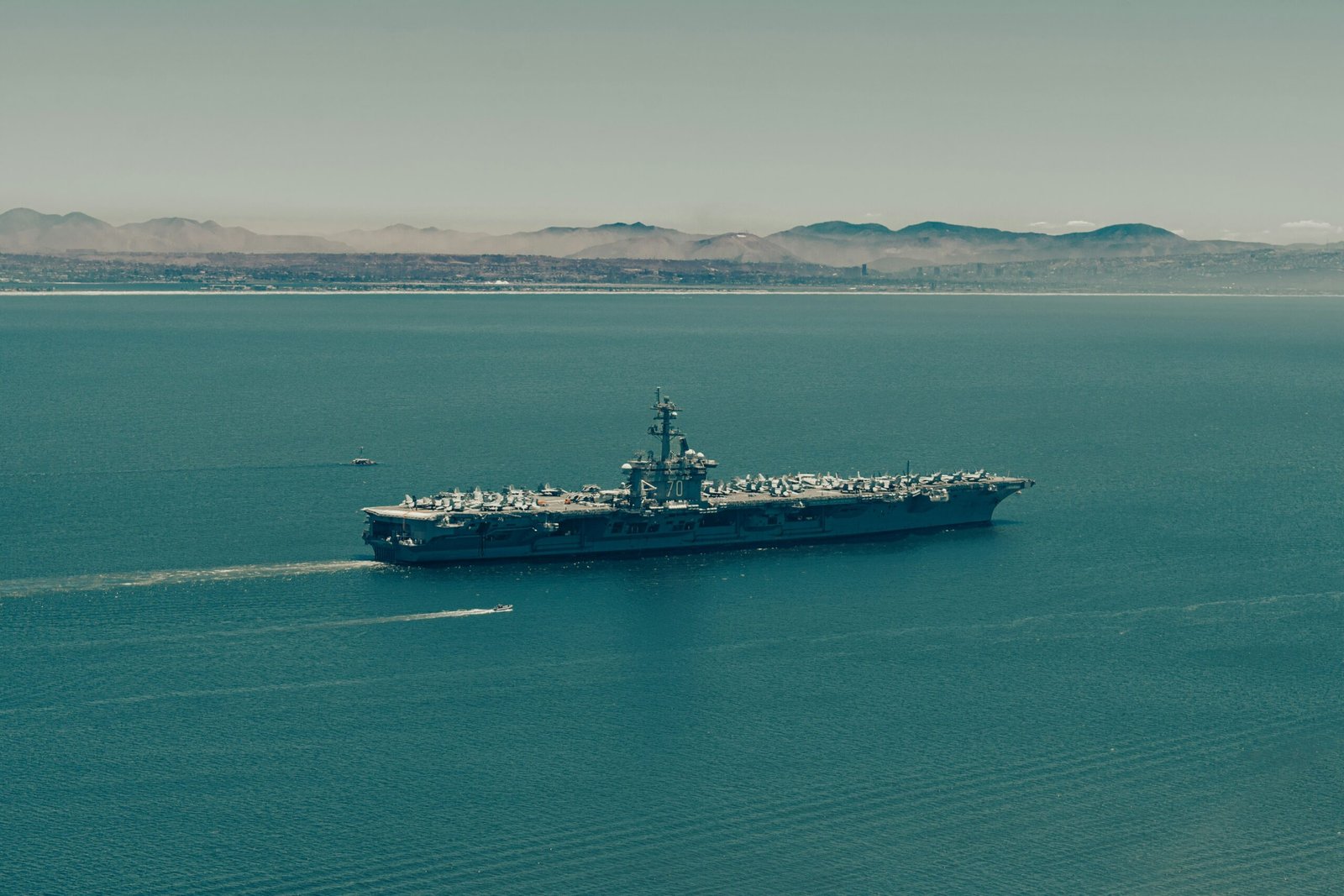
But that number tells a story. The blockade is working, from the US perspective. Iranian ports are being sealed. Maritime trade is being choked. And the Trump administration is showing no signs of backing down.
The Gulf has become a pressure cooker. The Strait of Hormuz, through which nearly one-fifth of the world’s oil passes, is effectively shut to normal commercial traffic. Iran has warned that it will disrupt trade flows in the Gulf, the Sea of Oman, and the Red Sea if the blockade continues. The US has responded by tightening the net.
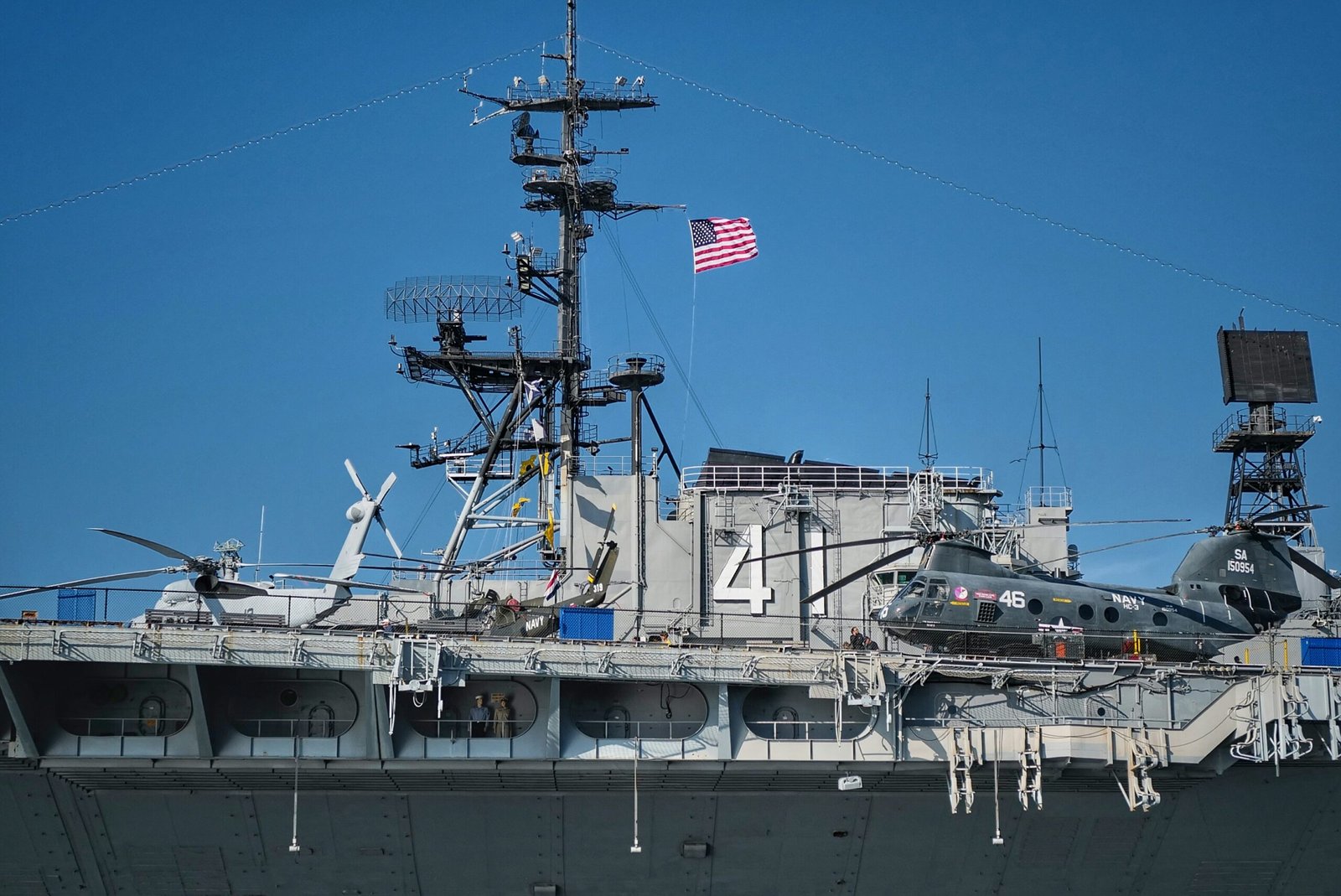
Twenty-three vessels turned back is not a final statistic. It is an ongoing operation. Every day, more ships approach Iranian ports. Every day, US warships are there to meet them. The question is not whether the blockade is being enforced. It is how long Iran can endure before it is forced to change course.
The Bottom Line
The US military confirmed that 23 vessels have complied with orders to turn back toward Iran since the blockade was imposed. The enforcement is ongoing. The pressure is mounting. And the Gulf remains the most dangerous waterway in the world.