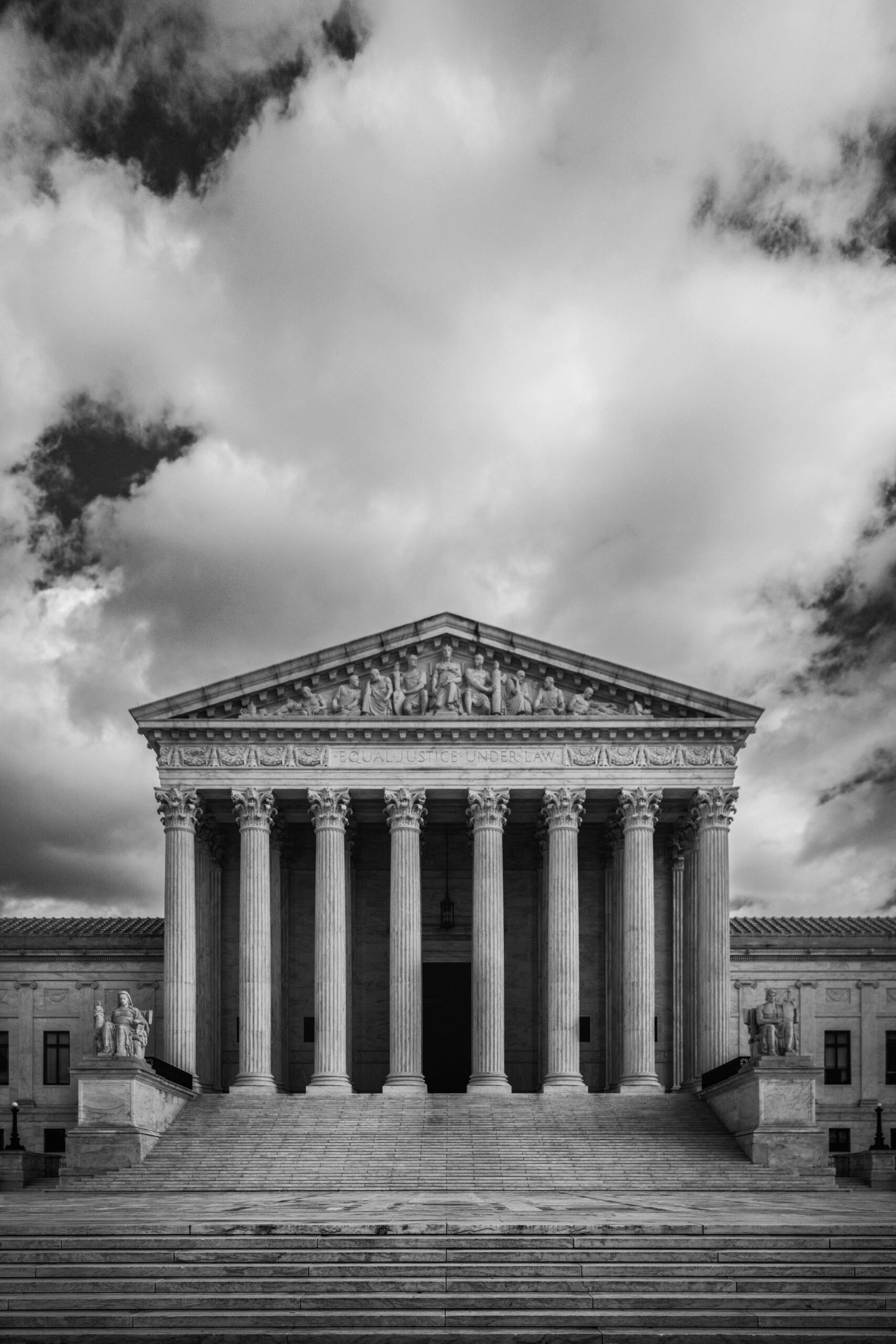

The Supreme Court has agreed to decide whether Immigration and Customs Enforcement can hold lawful permanent residents in detention indefinitely without any opportunity to post bond — a case that could fundamentally reshape due process rights for immigrants across the country.
The case, which the court announced it would take up next term, centers on two green-card holders who were detained for months — and in one case, nearly two years — without being given a bond hearing. The federal government is asking the justices to rule that no bond hearing is required under any circumstances, no matter how long someone is held.
The American Civil Liberties Union, which represents the detainees, has argued the case is moot because both individuals have been released. But the government is pushing to keep the case alive to establish a sweeping legal principle against immigrant bond hearings.
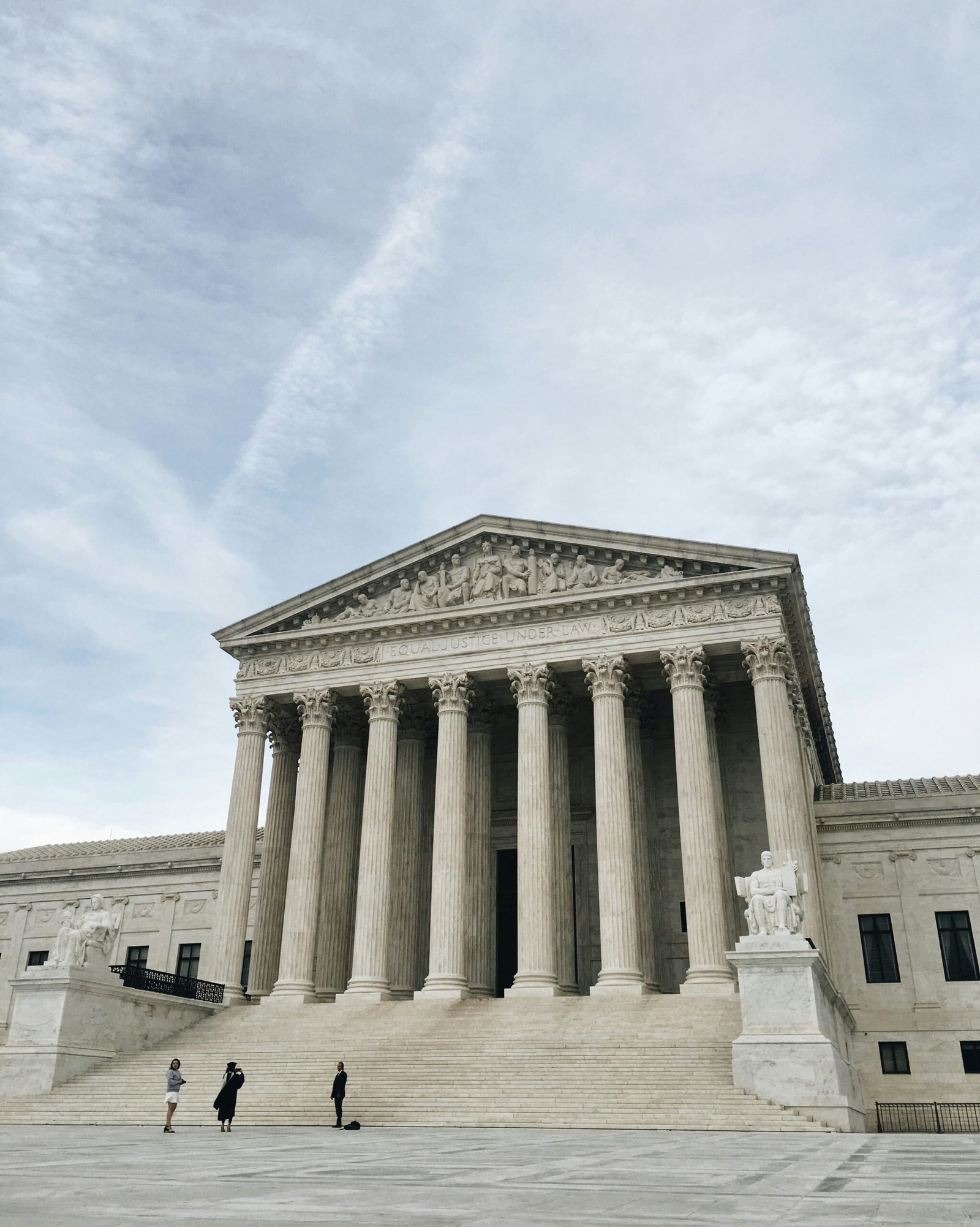
The Detainees’ Stories
Carol Black moved to the United States from Jamaica in 1983. In 2000, he was convicted of a sex abuse crime and served five years of probation. Based on that conviction, ICE detained Black in 2019 and held him for seven months without a bond hearing. He ultimately sold his home and business and voluntarily left the country after 40 years in the US.
Keisy G.M. is a lawful permanent resident from the Dominican Republic who has lived in New York City since 2011. ICE detained him for 21 months without a bond hearing, releasing him only because of a court order in a separate case.
The Court of Appeals for the 2nd Circuit ruled that both men had constitutional due process rights to a bond hearing. Immigration proceedings are civil, not criminal, the court explained, and the Supreme Court has long suggested that indefinite civil detention raises serious constitutional problems.
The Government’s Argument
Rather than arguing that the detentions were reasonable under the circumstances, the Department of Justice is asking the Supreme Court to hold that all lawful permanent resident detainees lack the right to a bond hearing — under any circumstances and no matter how long they are held.
The government’s briefing makes this point clearly, saying the case “concerns whether Mathews is applicable at all.” The Mathews test, which has been used for half a century, weighs three factors: the individual’s loss of liberty, the risk of error, and the government’s interest. The government wants courts to stop applying this case-by-case inquiry and instead rule categorically against immigrant bond hearings.
The Broader Implications
The Mathews test applies not just to immigration bond hearings but to any case where a plaintiff alleges their due process rights have been violated. If the Supreme Court creates an exemption where it does not apply at all, it could undermine due process protections across the entire court system.
Given the court’s conservative majority has already ruled against detainees on statutory grounds, it seems unlikely to rule for detainees on constitutional grounds. The ACLU has argued the case is moot because both detainees have been released, but the government is likely to push to keep the case alive to establish a legal principle to use against future detainees.
The Bottom Line
The US Supreme Court will decide whether ICE can hold lawful permanent residents in immigration detention indefinitely without a bond hearing. The government is asking the court to rule that no bond hearing is required under any circumstances. The 2nd Circuit previously ruled that detainees have constitutional due process rights to a bond hearing. The case could have sweeping implications for due process rights across the US legal system.