
Venezuelan interim President Delcy Rodriguez has announced that a new energy agreement with the United States will run for 25 years and target a significant increase in the country’s crude oil production.
Rodriguez described the agreement as a “historic” development that could help revive Venezuela’s struggling economy, increase government revenue and strengthen the country’s energy sector.
Speaking on state broadcaster VTV on Saturday, she said the bilateral arrangement would focus on the development of 17 strategic oilfields, with an initial production target of more than 1.5 million barrels per day (bpd).
“This 25-year bilateral project envisages the development of 17 strategic oilfields with a production target of more than 1.5 million barrels per day,” Rodriguez said.
“That figure relates solely to the bilateral agreement between Venezuela and the United States.”
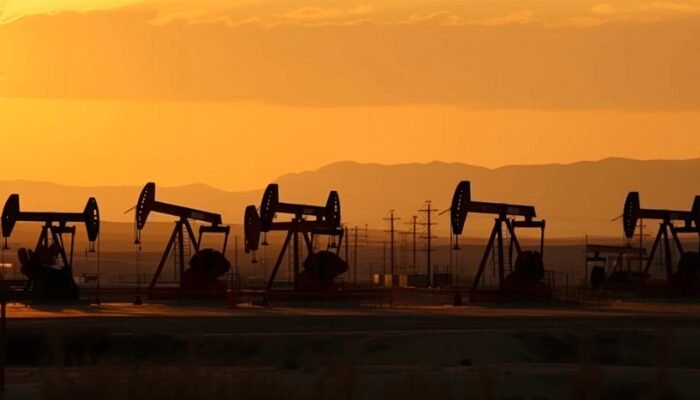
She explained that the 1.5 million bpd target represented only the initial phase of a wider plan. According to Rodriguez, the agreement would also provide for the development of eight greenfield oil blocks as Venezuela seeks to expand its energy production.
The announcement came a day after US President Donald Trump said Washington would take partial control of Venezuela’s vast oil reserves as part of efforts to revive the country’s energy industry and increase crude supplies to the US.
Trump gave limited details about the arrangement but said the United States had secured majority control of more than 65 billion barrels of Venezuela’s proven oil reserves through a partnership involving private companies.
Venezuela holds the world’s largest proven crude oil reserves but currently produces about 1.25 million bpd, a figure well below its potential. Years of underinvestment, mismanagement and US sanctions have contributed to the decline in production.
Rodriguez said the new agreement could generate approximately $209 billion in revenue for the Venezuelan government if oil prices averaged $65 per barrel. She acknowledged, however, that crude prices could fluctuate.
She added that about $19 from every barrel produced and sold under the agreement would go directly to the Venezuelan state, providing an additional source of government revenue.
Rodriguez insisted that the deal would not compromise Venezuela’s control over its natural resources.
She said the country would retain “ownership of and sovereignty” over its natural resources, “while leveraging capital, technology and operational expertise to support the recovery of a strategic industry that has been severely affected by sanctions.”
The agreement comes amid heightened tensions over the US role in Venezuela’s energy sector. On Saturday, dozens of pro-government groups gathered in central Caracas to protest against the American presence in the country.
Despite the protests, Venezuelan authorities are preparing to sign new agreements next week that would grant oil exploration and production rights to several companies, including US firms.
Two sources familiar with the negotiations said Chevron was among the companies expected to conclude talks aimed at moving its existing Venezuelan joint ventures into the new energy framework.