

With the Iranian supreme leader dead and the nation’s military infrastructure crumbling under relentless American and Israeli pressure, Tehran finds itself in a state of profound strategic isolation. Despite years of building what appeared to be a formidable anti-Western alliance, Iran’s longtime partners in Moscow and Beijing are offering little more than hollow diplomatic condemnations and vague expressions of concern.
This restraint reflects a cold, calculated reality where both powers have determined that the cost of a direct intervention far outweighs any potential benefits of saving the current regime.
Russia’s Calculated Distraction in Ukraine
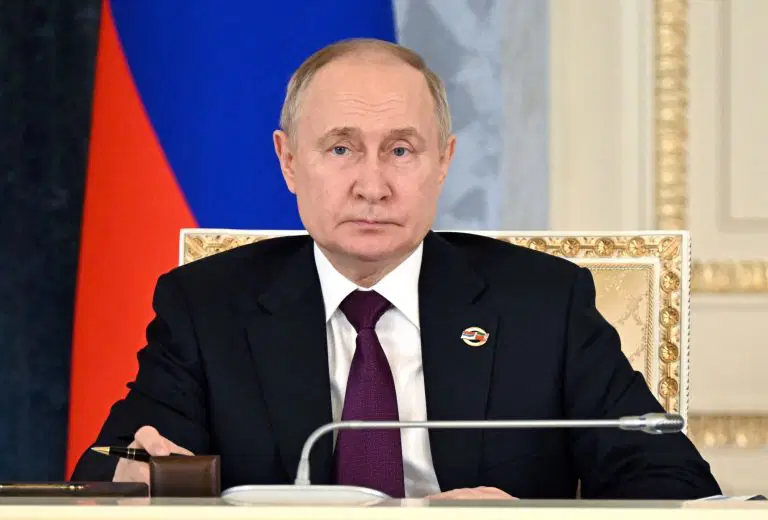
Russia’s refusal to intervene is driven largely by the ongoing and exhausting conflict in Ukraine, which remains Vladimir Putin’s absolute priority. Experts suggest that it would be a strategic blunder for Moscow to enter a direct military confrontation with the United States while its own resources and diplomatic bandwidth are already stretched to the limit.
For the Kremlin, the escalation in the Gulf serves as a convenient distraction that pulls American attention away from Eastern Europe, effectively strengthening Russia’s hand in its own backyard. Furthermore, direct support for Iran would alienate the oil-rich Gulf states and Israel, partners that Putin is unwilling to lose for the sake of a “fallen ally.”
China’s Pragmatic Economic Shield
China’s silence is equally rooted in a pragmatic strategy that prioritizes trade and regional stability in East Asia over costly security commitments in the Middle East. While Beijing has spent years embedding itself in the region’s diplomacy and purchasing Iranian oil, its primary vulnerabilities are economic.
Although 45% of its oil imports pass through the now-paralyzed Strait of Hormuz, China has spent years building strategic reserves to weather such a storm. Rather than redirecting military assets from core interests like Taiwan or the South China Sea, Beijing is content to watch from the sidelines as American military stockpiles are depleted and U.S. forces are tied down far from the Pacific.
The Paradox of Survival and Strategic Usefulness
There is also a stark paradox in how Moscow and Beijing view the potential collapse of the Iranian regime. While neither power necessarily benefits from the total annihilation of the current government, they are not tying their own fates to its survival.
Russia has already shown in places like Syria that it is willing to trade loyalty for long-term leverage, quickly building ties with new leadership even after years of backing a previous ruler. Both nations are now positioning themselves as mediators rather than combatants, using the crisis to recast their global images while quietly reaping the benefits of higher oil prices and a distracted Washington.
The Failure of the “Look East” Policy
Ultimately, the crisis has exposed the limits of Iran’s “Look East” policy. While Russia and China were happy to supply missiles and technology to complicate U.S. operations during peacetime, they have no intention of entering the line of fire during a total war.
For Iran, the realization is bitter: it remains strategically useful as a pawn to frustrate American interests, but it is not useful enough for either Russia or China to fight for. As the war enters its most destructive phase, Tehran stands alone, discovering that its supposed “alliances” were merely business arrangements that expire when the first bombs fall.