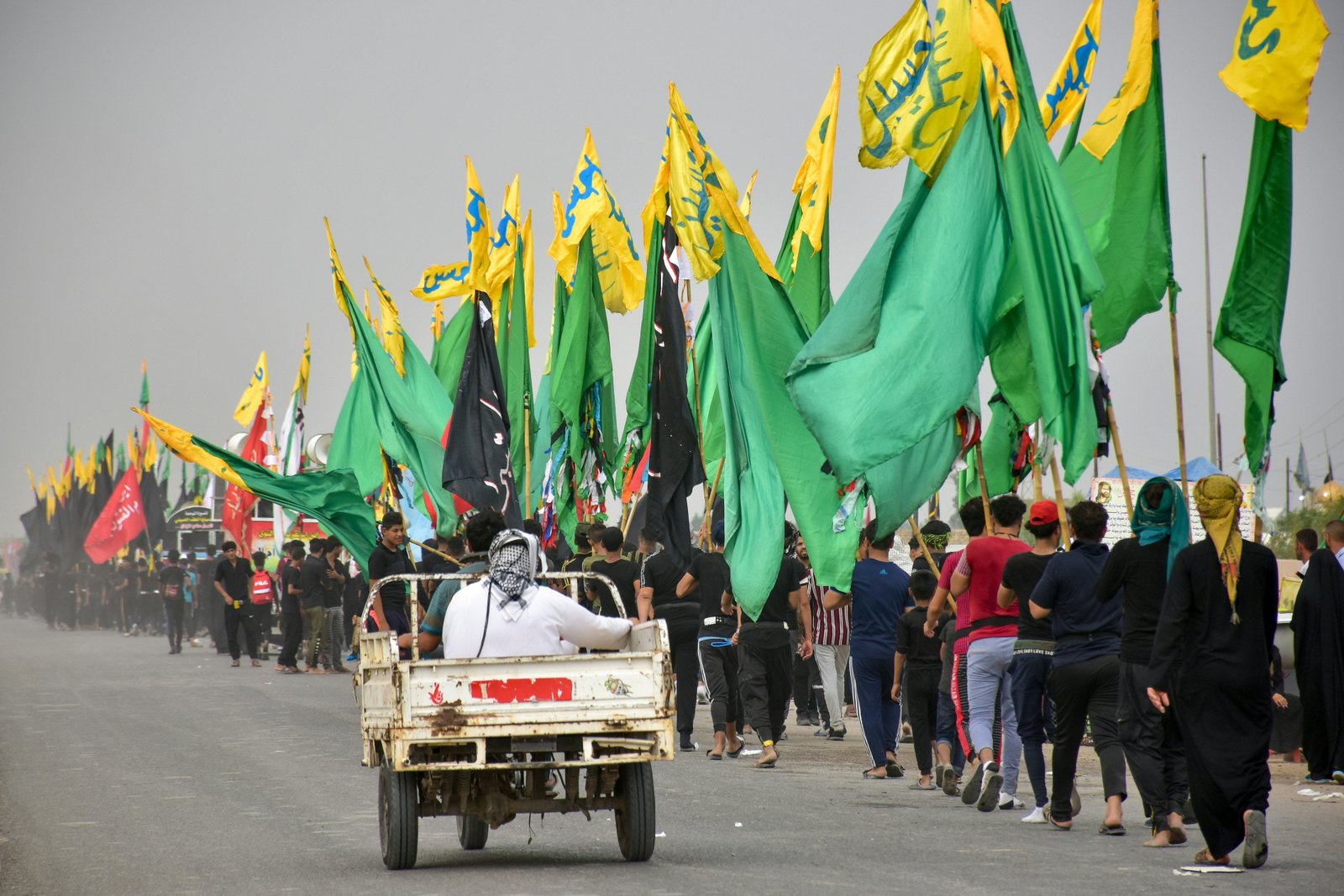

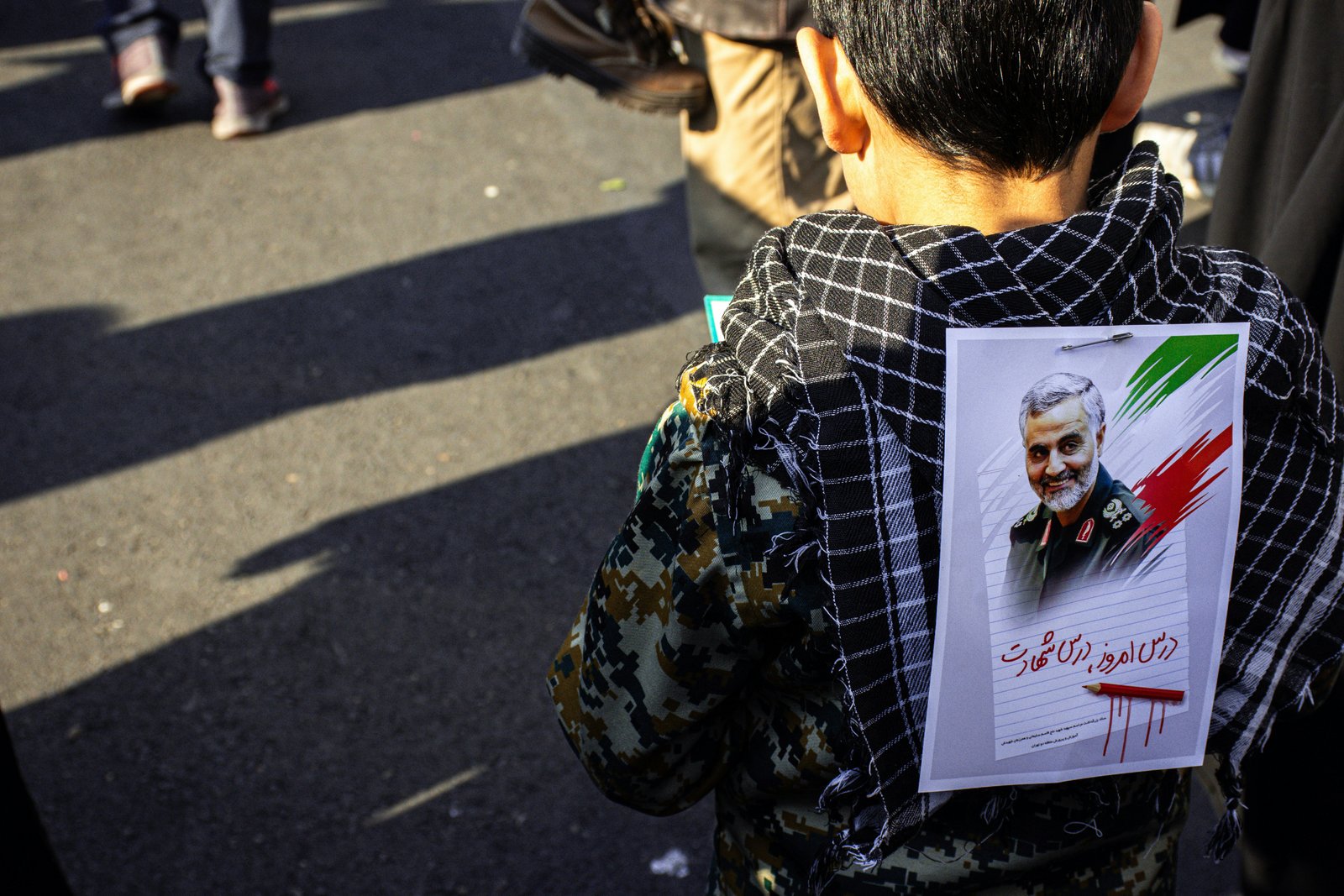
Home Secretary Shabana Mahmood has officially announced that the UK is designating Iran’s Islamic Revolutionary Guard Corps (IRGC) as a direct national security threat. Using newly fast-tracked legal powers, the British government has effectively banned all forms of support for the powerful military branch, making even positive online comments or financial assistance a serious crime.
Lethal Plots and Violent Proxy Groups
The decision to label the IRGC a national security threat comes from a terrifying rise in espionage and domestic violence. The intelligence agency MI5 revealed it has tracked at least 20 potentially lethal, Iranian-backed plots over the past year alone. Rather than operating directly, Tehran has been heavily relying on violent proxy groups and hired criminals to do its dirty work. Specifically, officials linked the paramilitary force to the Islamic Movement of Companions of the Right (IMCR), a radical network that has publicly claimed responsibility for seven recent, coordinated operations targeting Iranian dissidents and Jewish institutions across the country.
Fast-Tracking New Anti-Sabotage Laws
For years, successive British governments hesitated to completely ban the group, arguing that traditional anti-terror laws were built for rogue organizations, not official branches of foreign states. However, a string of horrific, state-backed antisemitic attacks earlier this year, including a targeted arson attack that destroyed four community ambulances in Golders Green, forced the government’s hand. Prime Minister Sir Keir Starmer rapidly pushed through the National Security (State Threats) Act 2026. This landmark law allows the Home Office to treat hostile state organs exactly like terrorist groups, giving police massive new powers to arrest operatives without having to painstakingly prove a direct link back to Tehran in every single court case. Under these rules, anyone caught engaging in state-sponsored sabotage or arson can face up to life in prison.
My Opinion
The UK has been dragging its feet on this issue for way too long. The United States labeled the IRGC a terrorist organization back in 2019, and the European Union finally did the same earlier this year. For a long time, London hid behind diplomatic excuses, fearing that a total ban would prompt Tehran to shut down the British embassy in Iran, destroying a vital intelligence listening post in the Middle East.
But you cannot let fear of diplomatic retaliation turn your own capital city into a playground for foreign hit squads. When state-sponsored proxy groups are comfortable enough to walk into a London neighborhood and burn down medical ambulances, the illusion of safety is completely gone. These aren’t random hate crimes; they are deliberate, tactical operations designed to spread terror, silence critics, and destabilize British society.
Shabana Mahmood and the current administration deserve credit for creating a loophole-free legal framework that targets the entire ecosystem. The real battle won’t just be arresting the thugs lighting the fires; it will be dismantling the fake charities, community fronts, and radical media influencers laundering Tehran’s toxic ideology into British towns. It’s a high-stakes move that will undoubtedly trigger a harsh diplomatic backlash from Iran, but protecting British citizens on their own streets has to take priority over polite diplomacy.
Bottom Line
By officially declaring the IRGC a national security threat, the UK has drawn a hard, permanent line against foreign interference. The new legislation gives law enforcement the exact teeth they need to dismantle Iranian network operations and aggressively prosecute those carrying out state-backed antisemitic attacks.
While the diplomatic fallout between London and Tehran will certainly intensify, the British government has made it undeniably clear that foreign terror campaigns will no longer be tolerated on its shores.