
I have been thinking about this because I was watching a TikTok where a young girl made a “Spend The Day With Me” video at a vintage store in London recently, and I realised something. That girl was holding a 1970s leather jacket like it was a relic. She kept on gushing about the lining, the stitching, the labels. She seemed to know exactly what she was looking for.
In Lagos, that same jacket would be in a pile on the ground. Sold by weight and bought because it is cheaper than buying new.
Nigeria has vintage clothing. What it does not have is vintage culture. And the difference between those two things is basically the difference between a story and a bargain.
What “Vintage” Means in the West
Western vintage culture is built on a few key pillars:
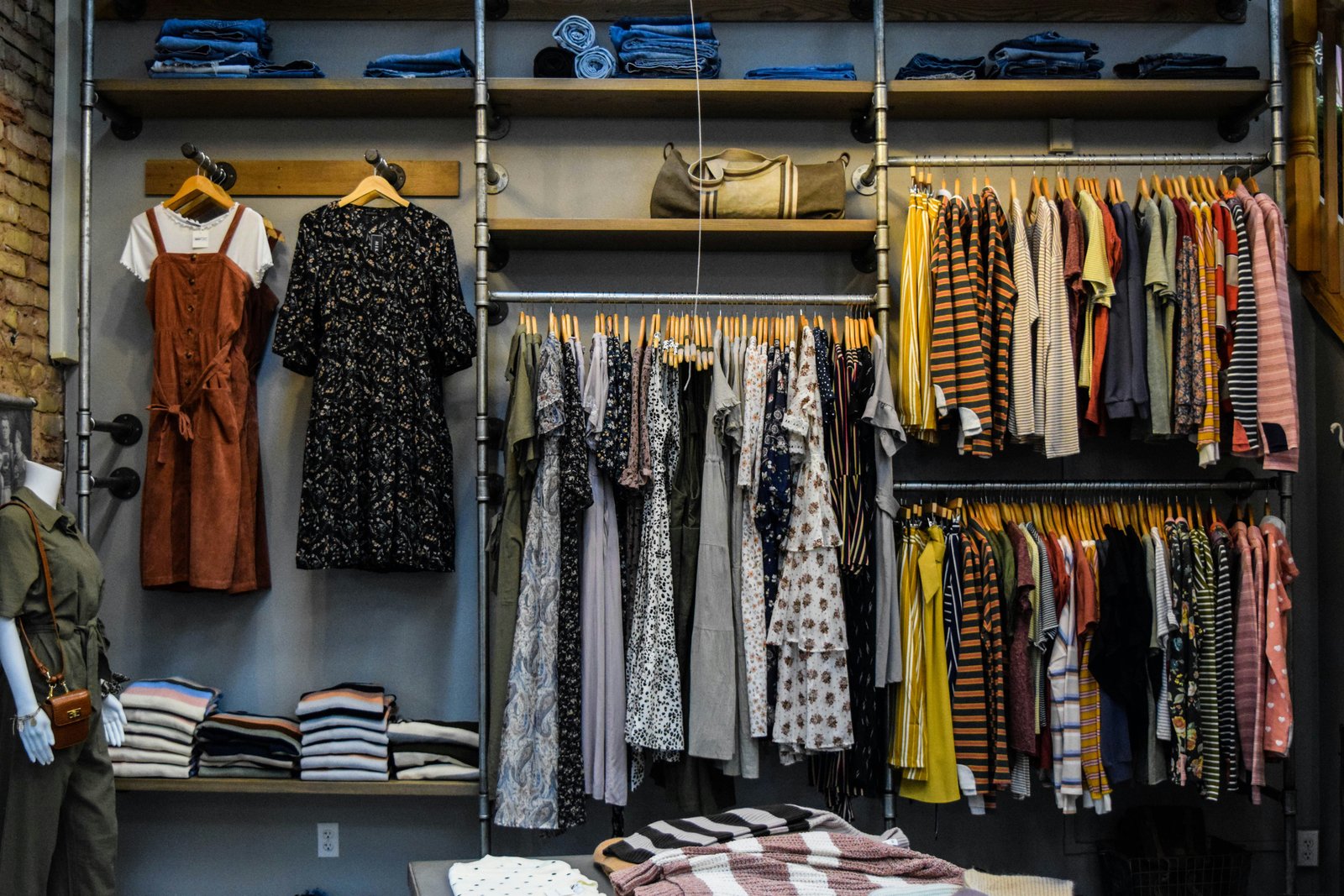
- Curated discovery. You do not walk into a vintage store and buy whatever fits. You hunt, seek out specific decades, specific designers, specific cuts. The clothes are displayed with care, priced with intention, and sold to people who know exactly why they want them.
- A vintage piece has a history, or at least, it is given one. It was worn by someone else, in another era, in another life. That history is part of the value.
- Vintage is aspirational. It says you have taste, you have patience, you have the cultural capital to recognize quality that is not immediately obvious. In the West, vintage is a flex.
What “Okrika” Means in Nigeria
Now look at the Nigerian market. The second-hand clothing trade here is massive, but it is not “vintage” in the Western sense.
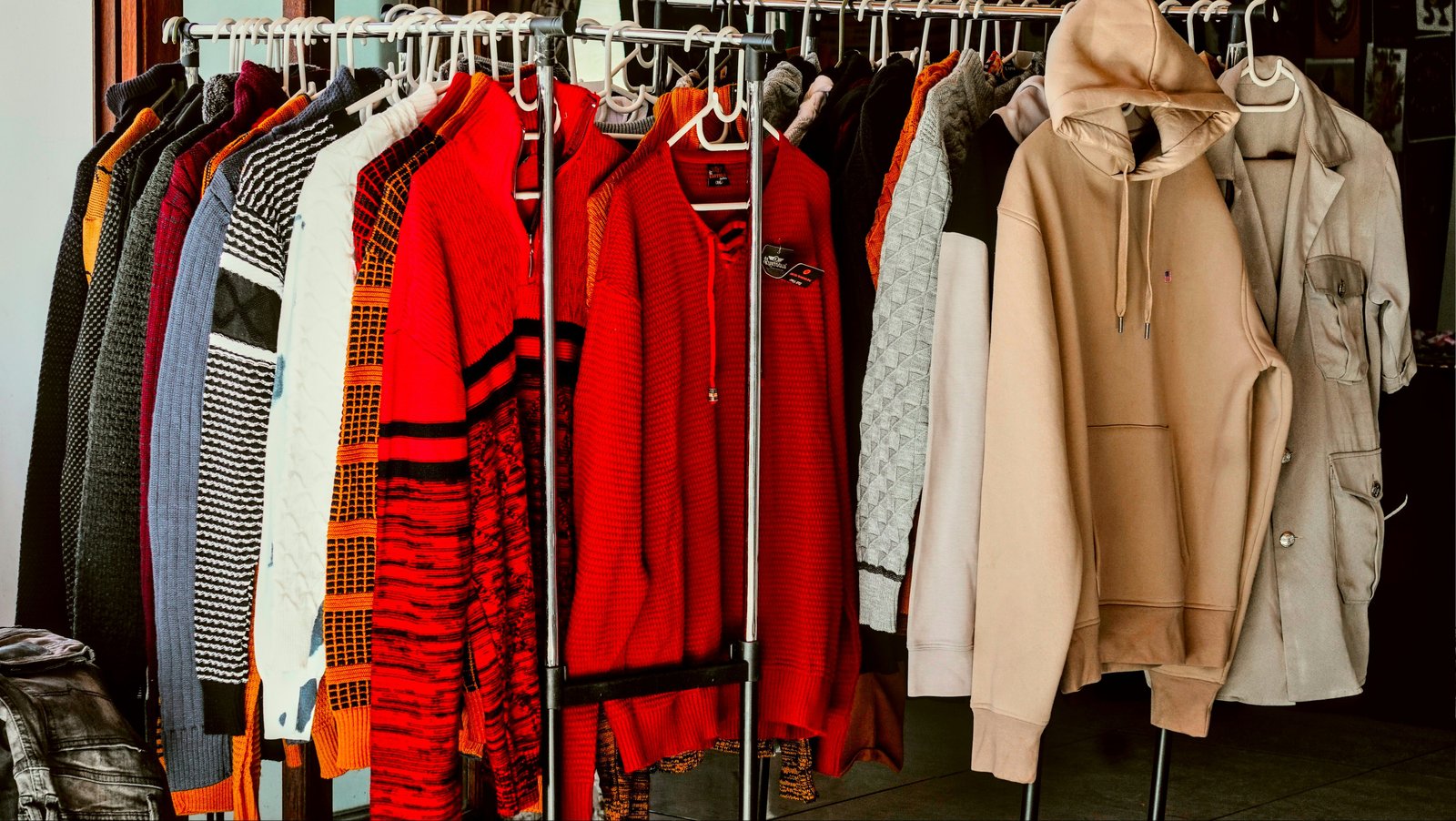
Okrika and thrift are the dominant terms. They refer to imported used clothing, primarily from the UK, US, and China, sold in bales and priced for accessibility. This market is majorly driven by economic necessity, not historical appreciation.
According to a 2025 report from the News Agency of Nigeria, demand for second-hand clothing has surged because of affordability and budget-friendliness amid rising costs. Vendors note that students, workers, and families are the primary buyers.
NAN reports that thrift items—the “higher end” of used clothing—are newer, often handpicked and styled for resale, and sold online. Okrika, by contrast, is sold in open markets and roadside stalls, accessible to a wider range of incomes.
A student buyer interviewed by NAN put it plainly: “I can get over ten good items for N1000 per piece… but in a thrift store, only one item is like N3,500 or more”.
The primary driver here is price, not style
Why the “Vintage” Label Hasn’t Landed
There are three reasons why Nigerian second-hand fashion remains “okrika” rather than “vintage”—and why that is unlikely to change soon.
- The economic reality
In the West, you choose vintage. In Nigeria, for many, you choose affordable clothing. The label you use matters because it signals whether you are making a statement or just getting dressed.
Christmas 2025 was a turning point. Families who had never stepped foot in an okrika market were there, buying clothes for their children. The focus was no longer on newness, but on neatness and durability. “If it looks clean, fits well, and costs less, it is good enough”.
A vendor at Yaba Market told Independent Newspapers: “People who wouldn’t come near okrika before are now buying it comfortably. Some come in the early morning so that nobody they know will see them. Things are really hard”.
- The absence of “historical” appeal
Nigerians do not wear “vintage” in the same way Westerners do. They do not typically seek out specific decades or designers. Instead, they buy what looks good and fits.
One online thrift vendor told NAN that thrift items appeal to “students, young professionals, and fashion-conscious buyers who prefer unique and trendy items that are uncommon”. The focus is on uniqueness and trendiness, not historical value. Unique does not necessarily mean vintage. It often just means “not the same as everyone else.”
- The cultural gap
Aso-oke is the closest thing Nigeria has to “vintage” in the aspirational sense. Traditional Yoruba adire indigo textiles, for example, date from the 1920s onwards and are now sought after by collectors and museums. A collection of Nigerian Adire textiles sold at auction in 2026, with pieces authenticated by experts and featured in the Nigerian Modernism exhibition at Tate Modern.
However, the vintage fashion movement in Nigeria has its strongest traction among Gen Z Nigerians, who embrace thrift for style and sustainability—a very different motivation from economic survival.
The Rise of Curated Thrift
Where vintage culture is starting to take root is in the curated thrift market. Online boutiques on Instagram and TikTok are carving out a space for branded pieces, handpicked items, and story-driven resale. According to Independent Newspapers, “Online thrift boutiques on Instagram and TikTok are thriving, offering carefully curated collections of vintage jackets, denim, dresses, shoes, and accessories”.
The keyword is “curated.” Someone has already done the hunting. Someone has already evaluated the quality. The buyer pays a premium for that labor.
“I can get over ten good items for N1000 per piece… but in a thrift store, only one item is like N3,500 or more”.
The same is true for designers. Nigerian designers like Tari, Rele Art Gallery, and Titi Ademola are making waves by integrating upcycled materials and vintage elements into their collections. This is not just about affordability. It is about creativity and storytelling. But it remains a niche within a niche.
The Bottom Line
Nigerian second-hand fashion is not “vintage culture.” It is thrift culture, and it operates on a completely different logic.
The Nigerian market is driven by economic necessity, accessibility, and practicality, whereas the Western market is driven by curation, narrative, and status.
This does not mean Nigerian thrift is “lesser.” It means it is different. The clothes are the same, but the stories we tell about them are not.
And as long as a shirt in a boutique costs five times what it does in a bend-down market, the appeal of that commerce will always be louder than its importance in fashion history.