

Millions of holiday travelers on the move across the United States ran into rough conditions on Sunday, as wind advisories hit 63 million Americans amid strong gusts and shifting storms during the final rush of Thanksgiving travel.
The National Weather Service issued wind alerts across portions of more than a dozen states from the Pacific Northwest down to the Gulf Coast, warning of gusts up to 45 mph (and even stronger in spots like Illinois) that could topple limbs, knock down power lines, and push high-profile vehicles around on the highway. Coming right on the heels of severe Thanksgiving week storms that knocked out power, disrupted flights, and forced the postponement of New York City’s Macy’s Thanksgiving Day Parade, Sunday’s weather added fresh stress for families heading home.
Travel Pressure, Shifting Storms, and Regional Outlooks
Forecasts and travel projections show tough conditions stretching from Sunday’s peak return rush into the start of the workweek.
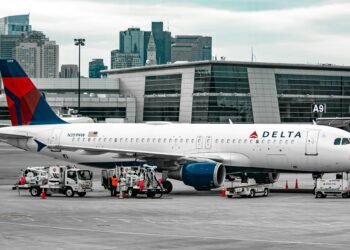
The Transportation Security Administration projected screening roughly 17.6 million air travelers between November 24 and November 30, with Sunday expected to be the busiest day at about 3 million passengers, while flight-tracking data pointed to over 1,600 delays into and out of the U.S. on Monday morning. After recent flight headaches, including a nationwide FAA ground stop earlier in November, Amtrak also braced for heavy holiday demand.
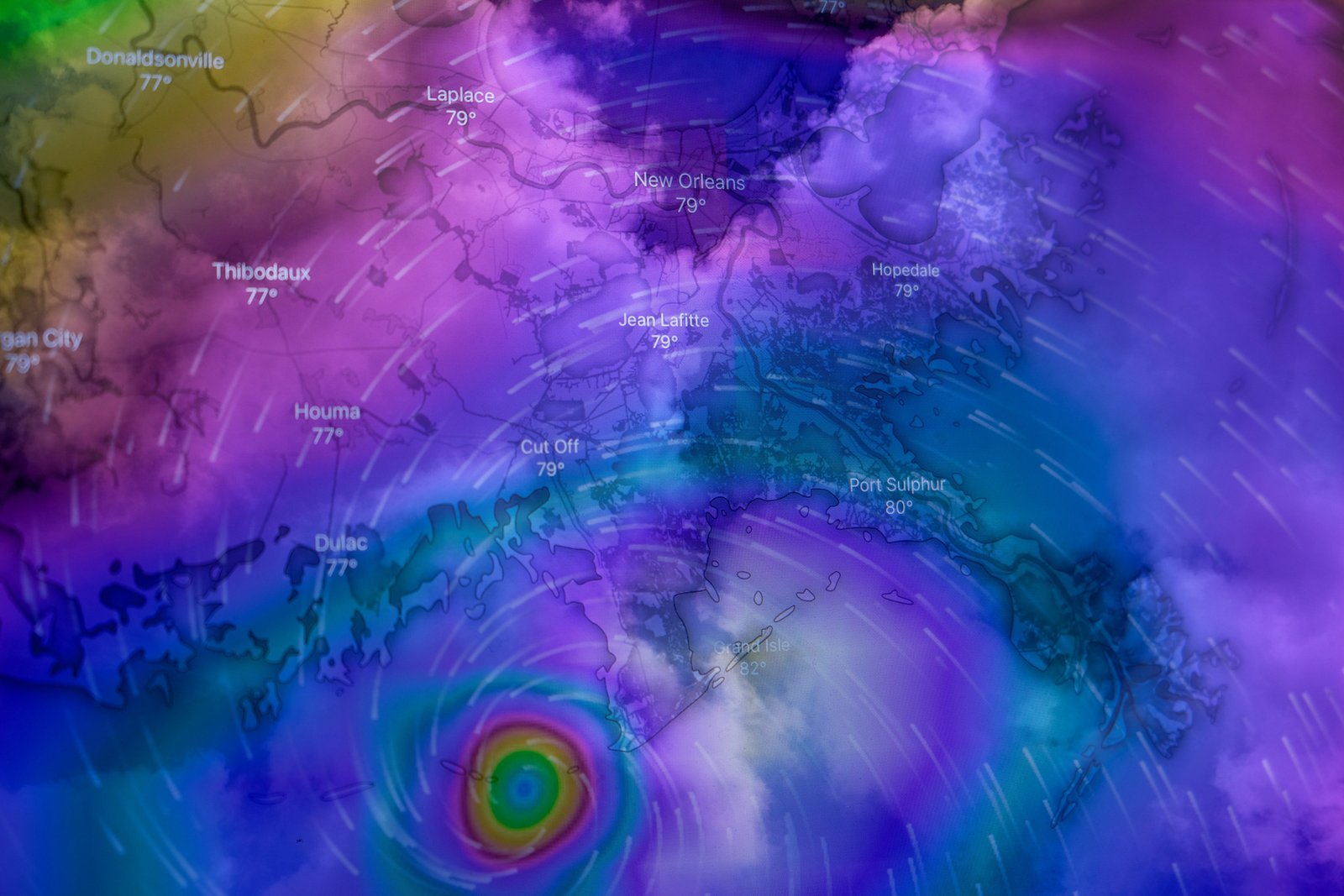
While many Sunday wind advisories were set to wind down overnight, forecasters expected gusty winds to sweep across much of the Eastern U.S. on Monday alongside a storm system pushing rain and thunderstorms from the Southeast toward the Mid-Atlantic commute, with possible coastal flooding and rain mixing with or turning to snow in parts of New England before Tuesday.
Parts of Northern California and southwestern Oregon were warned to watch for heavy rain, flooding, mountain snow, and rough surf as successive Pacific weather systems roll in over the coming week.
Heading Home Into Tricky Weather
Holiday weekends always test patience on highways, rails, and airport concourses, and crosswinds plus rain only make every mile slower.
My View
There is nothing quite like trying to get home after a long holiday only to run straight into gusty crosswinds, wet roads, and packed terminals.
When weather warnings cover tens of millions of people at once, rushing to beat a clock or ignoring crosswind warnings on tall vehicles is how minor delays turn into serious accidents or long hours stuck in the dark from downed lines. Giving yourself extra time, checking routes before leaving, and listening to local alerts costs very little and can save a whole lot of trouble.
Travelers and transport workers alike do better when everyone slows down a notch and treats safety ahead of schedule. A late arrival beats a bad incident every single time.