
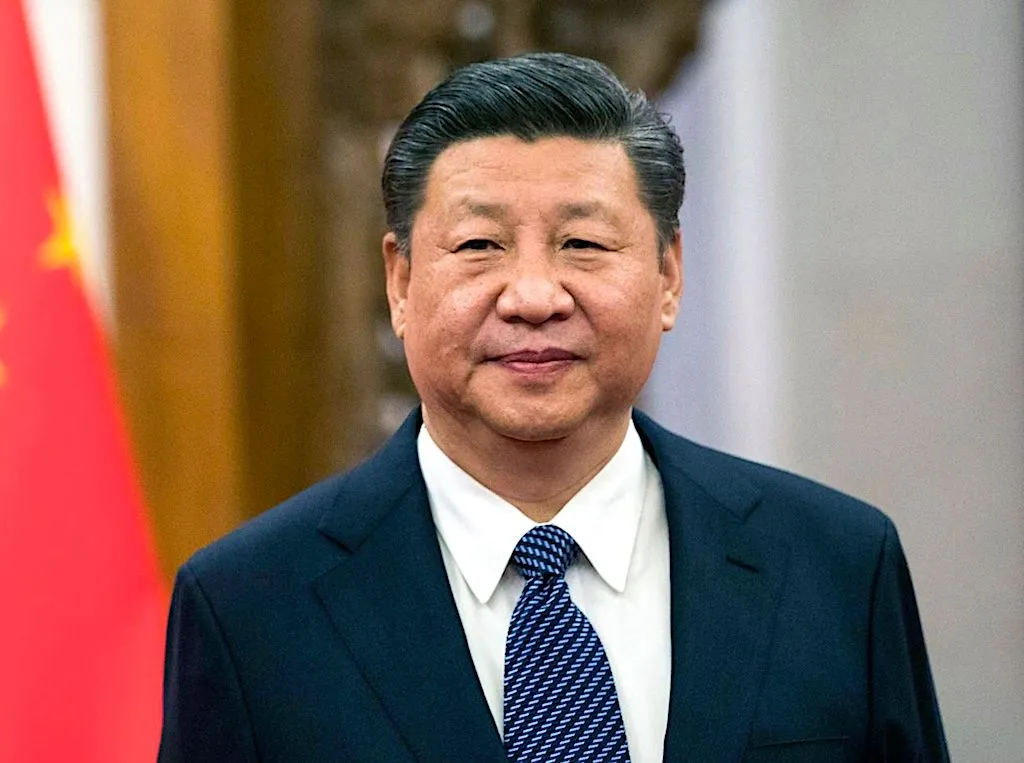
When Chinese President Xi Jinping sent his congratulatory message to Cameroon’s long-time leader Paul Biya after his re-election, it wasn’t just a polite diplomatic note it was another chapter in how China woos Africa for influence and power.
The tone of the message might sound friendly, but behind it lies a carefully crafted strategy Beijing has perfected across the continent: charm the leaders, secure loyalty, and expand control.
Flattery as Foreign Policy
In his message, Xi praised what he called the “traditional friendship” between China and Cameroon, describing both nations as long-time partners who trust each other politically and cooperate economically. He went on to say that China “attaches great importance” to its relationship with Cameroon and is ready to deepen its comprehensive partnership.
It all sounds harmless — until you realise how consistent this approach is. Every congratulatory message, every new deal, every handshake between Xi and African leaders fits into a larger plan: build goodwill through flattery, loans, and projects that sound generous but often leave African economies more dependent on Beijing.
Biya’s Fragile Grip and Beijing’s Gain
Paul Biya, one of Africa’s oldest rulers, has been in power for over four decades. Many Cameroonians describe his government as disconnected from the daily struggles of its citizens. Yet, for Beijing, that doesn’t matter. In fact, leaders like Biya, ageing, isolated, and eager for legitimacy — are the easiest to court.
Xi’s message to Biya shows how China continues to back African leaders who give it access to raw materials, infrastructure projects, and diplomatic loyalty at the United Nations. In exchange, these leaders get loans, stadiums, and the kind of political support that makes them appear relevant even when their domestic approval is fading.
The “Sweet-Talk” Strategy
China’s diplomacy in Africa often looks like friendship, but it’s built on quiet dominance. From Zambia to Kenya, from Nigeria to Cameroon, the pattern repeats: China lends money for massive infrastructure projects, supplies the manpower, and then slowly tightens its control when repayments become impossible.
Cameroon, rich in timber and minerals, has become one of Beijing’s quieter prizes. Projects like the Kribi Deep Sea Port and several energy plants are now symbols of this growing dependency. Xi’s message, filled with warm words and polite promises, is simply another layer of that charm offensive , one that hides power behind politeness.
Africa’s Leaders, China’s Advantage
It’s not only Cameroon that’s caught in this embrace. Across the continent, Chinese officials are busy writing letters, signing deals, and offering “win-win cooperation” speeches that mask deep economic leverage. For leaders like Biya, who face internal crises and dwindling legitimacy, China’s friendship feels like a lifeline.
But for ordinary Africans, the benefits are harder to see. Roads are built, yes, but the contracts, the labour, and often the profits go back to Chinese companies. When loans go unpaid, the assets risk falling into foreign hands.
Beijing’s message to Yaoundé may speak of “mutual respect,” but the reality is far from equal. China gets access to vital resources, political support in international forums, and a long-term presence in African markets. Cameroon, on the other hand, gets short-term development gains wrapped in long-term obligations.
Still, Biya’s administration has little choice but to welcome the attention. Western governments have grown wary of his rule, while China continues to treat him as a respected elder statesman.
China knows how to play the long game in Africa.
And that’s why Xi’s message to Biya shows how China woos Africa for power not with bullets or threats, but with charm, patience, and well-timed words, Africa beware.