
In an increasingly ad-saturated world, the battle for consumer attention has intensified or worsened, depending on how you see it. Traditional commercials are met with scepticism, ad blockers, and the ubiquitous “skip ad” button. This landscape has given rise to one of the most sophisticated and impactful marketing trends of the decade: Branded Entertainment. Far beyond mere product placement, this strategy sees brands stepping into the role of content creators, producing high-quality, long-form video content—actual TV shows, docuseries, and cinematic films—that captivates audiences by delivering genuine entertainment value.
What is Branded Entertainment?
At its core, Branded Entertainment, or Brand-Funded Content (BFC), involves a brand fully financing, producing, and often distributing long-form video content where their product or message is subtly woven into a compelling narrative. The primary goal is not to overtly sell, but to:
- Build Deep Engagement: Foster an emotional connection and affinity with the target audience.
- Establish Brand Identity: Position the brand as a cultural curator, an expert, or a leader within a specific lifestyle niche.
- Generate Earned Media: Create content so compelling that viewers actively seek it out, share it, and discuss it, extending its reach organically.
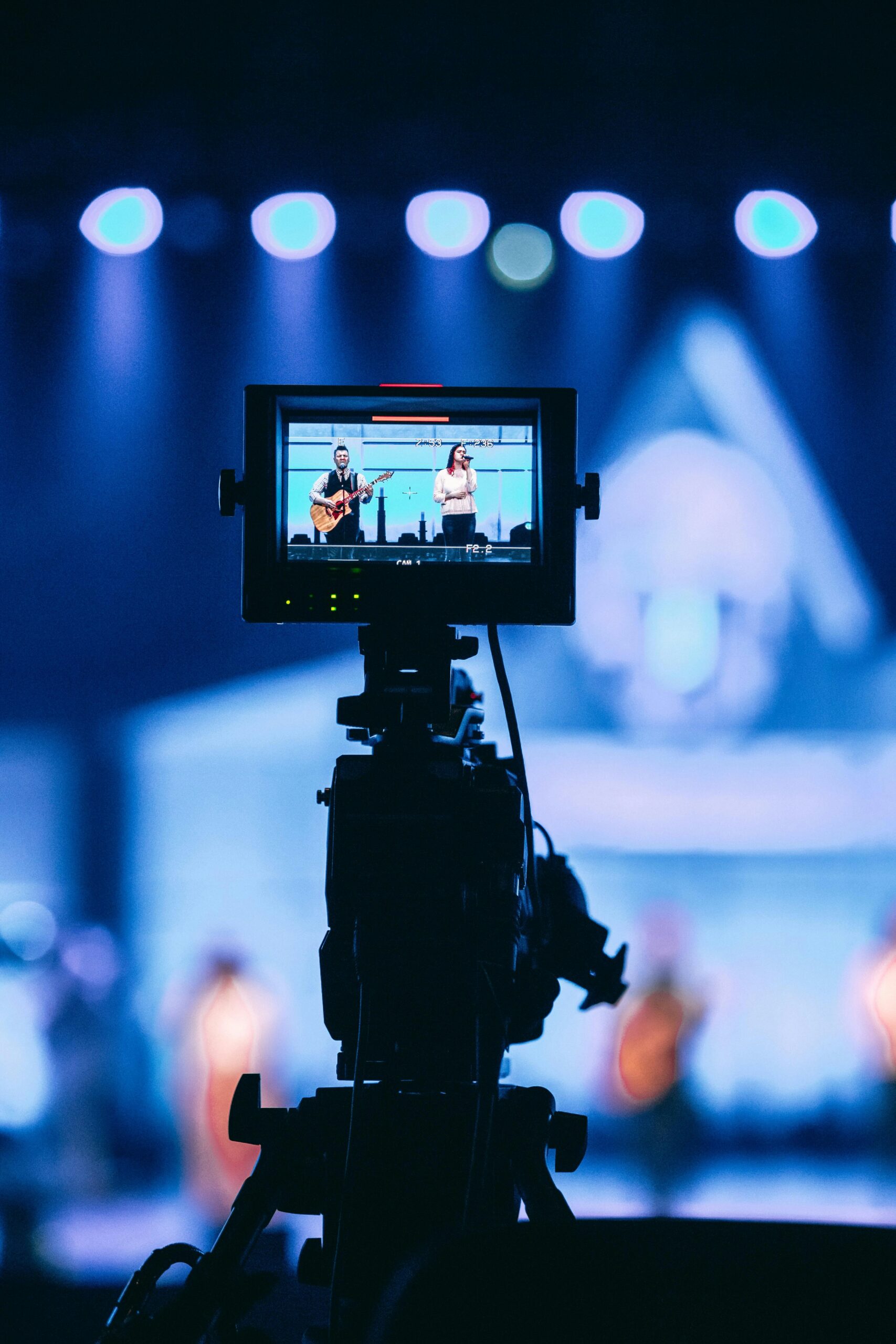
Unlike traditional advertising, which interrupts content, BFC is the content. The brand’s product might be an integral part of the plot, the setting, or the inspiration, but the narrative itself must stand alone as entertaining and valuable.
The Driving Forces and Why Now?
Several powerful market dynamics are fueling the rapid adoption of this trend:
- Ad Fatigue and Ad Blockers: Consumers are highly skilled at tuning out or blocking traditional advertisements. Branded entertainment is inherently opt-in; audiences choose to watch because they find the story engaging, willingly immersing themselves in the brand’s world on their own terms.
- The Streaming Wars: The proliferation of streaming platforms (Netflix, Amazon Prime Video, Hulu, Disney+, etc.) has created an insatiable demand for original content. Brands are stepping in, often gaining premium distribution channels and audience access they could never achieve through conventional media buys.
- Data and Targeted Insights: Digital content distribution allows brands to collect rich, granular data on viewership habits, engagement metrics, and audience demographics. This provides superior insights into consumer behavior, enabling more precise targeting and optimization than generic linear TV spots.
- Authenticity and Storytelling: Modern consumers demand authenticity and transparency. A well-executed show allows a brand to convey its values, mission, and personality through compelling human stories, fostering a level of trust and emotional resonance that traditional advertising rarely achieves.
Pioneers & Pop Culture Powerhouses
The most compelling examples showcase how celebrities, luxury brands, and even FMCGs (Fast-Moving Consumer Goods) are masterfully leveraging this strategy:
- BMW’s The Hire (2001-2002): A trailblazer in digital branded entertainment. BMW commissioned a series of eight short, cinematic films starring Clive Owen as “The Driver,” an anonymous professional. Directed by Hollywood luminaries like Ang Lee, Guy Ritchie, and Ridley Scott, these high-octane action movies implicitly showcased the BMW vehicles’ performance and engineering without a single sales pitch. The series garnered over 100 million views, boosting brand image and sales significantly.
- Savage X Fenty Show (Rihanna): The undisputed modern icon of celebrity-driven branded entertainment. Rihanna’s annual Savage X Fenty Show (Volumes 1 through 4), exclusively distributed on Amazon Prime Video, transforms a lingerie catalogue into an Emmy-winning, visually stunning musical and cinematic event. Featuring global music stars and diverse models, it positions Savage X Fenty as a brand of radical confidence and inclusivity, selling a lifestyle experience rather than just products.
- Reese Witherspoon’s Hello Sunshine: This production company, co-founded by Witherspoon, embodies the lifestyle brand as a content studio. Focused on female-driven stories (e.g., Big Little Lies, The Morning Show), Hello Sunshine also partners with brands like Ally Bank to create unscripted series such as Side Hustlers, which champions women entrepreneurs. This alignment positions Ally Bank as an advocate for female financial independence, perfectly integrating a corporate message into authentic storytelling.
- Ryan Reynolds’ Maximum Effort: Reynolds’ production company blurs the lines between advertising and entertainment through its distinct comedic voice. Beyond creating viral “ads” for his brands like Aviation Gin and Mint Mobile, Maximum Effort co-produced the critically acclaimed docuseries Welcome to Wrexham (FX/Hulu). This show organically markets the Wrexham AFC football club (co-owned by Reynolds) by telling an emotional underdog story, building massive brand affinity through genuine connection.
- Oprah Winfrey’s OWN (Oprah Winfrey Network): The ultimate example of a media mogul creating an entire network dedicated to her brand. OWN provides slates of programming—from talk shows and docu-series like Oprah’s Master Class to scripted dramas—all filtered through Winfrey’s core values of self-improvement, wellness, and empowerment. The network itself is the most powerful piece of branded entertainment, showcasing her philosophy and supporting her wider product ecosystem.
- L’Oréal’s Run Le Hair Show: This multi-episode series on YouTube, developed by L’Oréal Professional Products, features fashion journalists and celebrity stylists discussing trends and offering masterclasses. By providing expert education and trend analysis, L’Oréal positions its products as the essential tools for achieving desired hair looks, fostering trust and loyalty with industry professionals and beauty-conscious consumers.

The Strategic Implications and Future Outlook
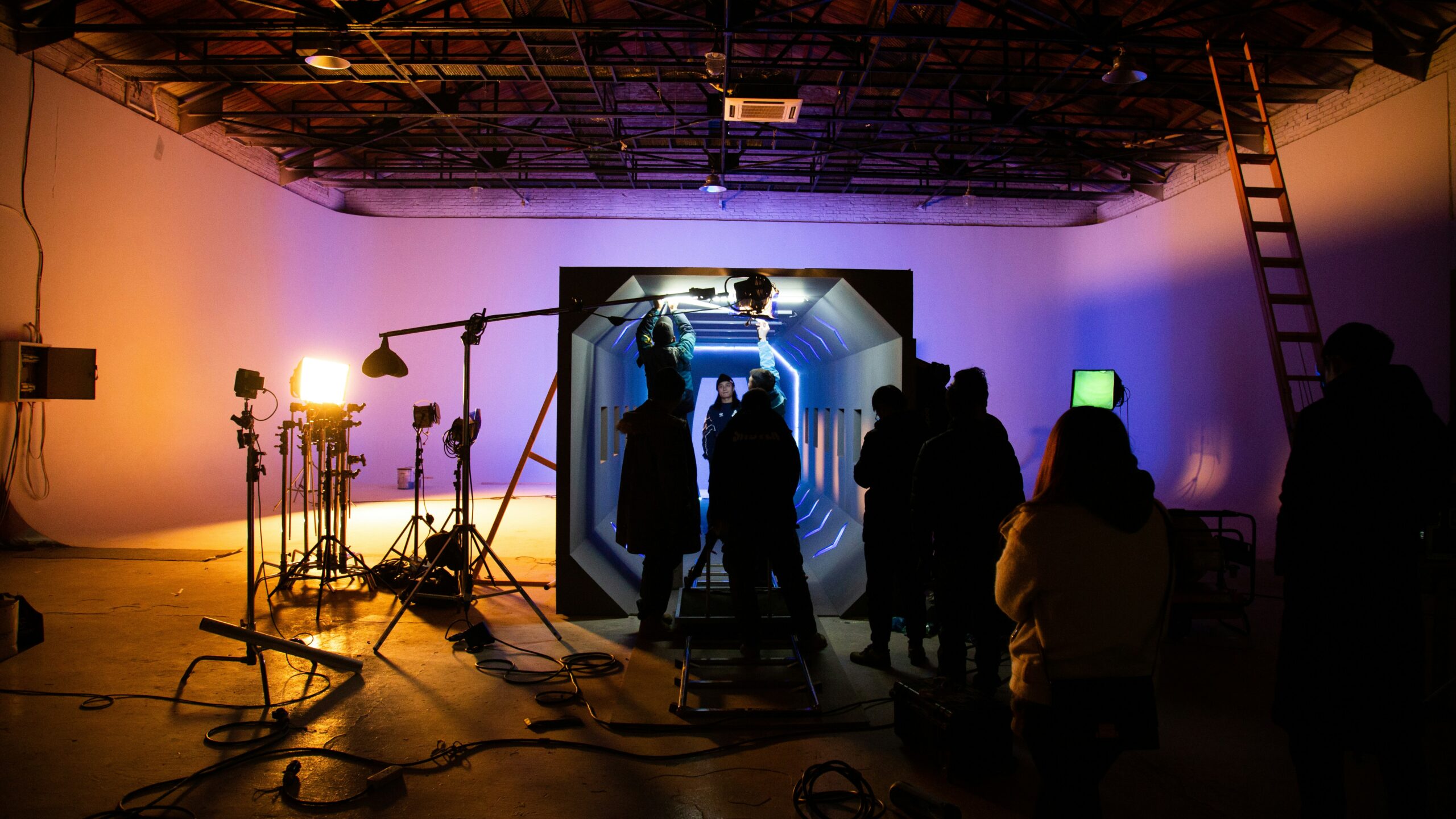
This trend signifies a fundamental shift: brands are increasingly operating as miniature Hollywood studios or media companies. This demands new skill sets, including hiring scriptwriters, executive producers, and distribution experts. The metric for success is evolving from traditional Return on Investment (ROI)—immediate product sales—to Return on Engagement (ROE): how many people watched, how long they watched, and the resulting lift in brand perception, loyalty, and cultural relevance.
Branded entertainment represents a significant investment, but for brands looking to cut through the relentless advertising clutter and forge lasting, meaningful relationships with consumers, creating captivating “shows” is proving to be the most powerful and enduring strategy. The future of marketing isn’t just about selling; it’s about telling a story so good, people can’t help but watch.