In a windowless college newsroom, two university juniors are running a high-stakes intelligence operation against one of America’s most powerful federal agencies. Their weapon of choice isn’t a protest sign or a lawyer—it’s a Google Map. As the Trump administration unleashes aggressive immigration sweeps across Chicago, student journalists are fighting back with a real-time digital network that tracks ICE and Border Patrol movements, transforming rumor into fact and arming their communities with the power to hide.
The operation began at Loyola University Chicago’s student paper, The Phoenix. After false rumors of an ICE raid swept campus, editor-in-chief Lilli Malone and managing editor Julia Pentasuglio opened a blank map and started dropping red pins for every verified sighting of federal agents. “People were scared, and they needed someone to verify what was real,” Malone said. Now, their map shows clusters of pins across the city, each with a time-stamped note: “Multiple armed agents spotted… An arrest was reported at the Home Depot.”
From Campus Papers to a City-Wide Intelligence Network
What started as a campus project has exploded into a city-wide journalistic resistance. At the University of Chicago, The Maroon built its own data tracker after reports “lit up” anonymous student chat apps. At DePaul University, student journalists monitor social media for tips. One intern, Jake Cox, even manages a WhatsApp channel with 3,200 followers —many of them immigrants—who receive instant alerts and “Know Your Rights” information.
This is a radical departure from the cutthroat “scoop” culture of legacy media. Faced with a story too big for any one outlet, reporters from college papers, non-profits like the Invisible Institute, and even the Chicago Tribune are now sharing leads, safety tips, and source contacts on encrypted channels.
“The current journalistic landscape has sometimes led to collaboration across outlets,” admits Tribune senior editor Erika Slife. “It’s more important to be right. We may not always be first, but we’ll do it best.”
The Target: ‘Operation Midway Blitz’
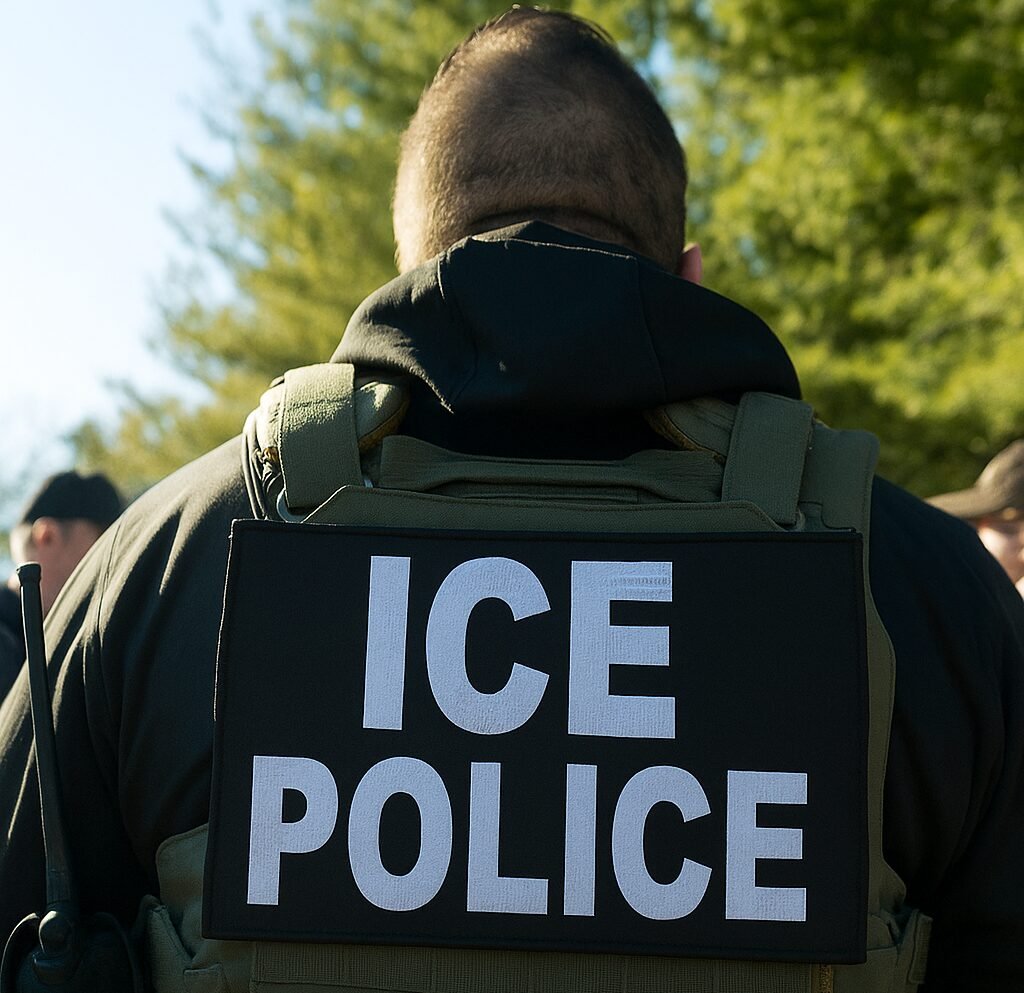
The students are tracking a specific and brutal target: Operation Midway Blitz. Launched by the Department of Homeland Security in September, the operation has deployed Border Patrol agents armed with high-powered weapons and tear gas into Chicago neighborhoods. DHS claims it is targeting “violent criminals,” boasting over 4,300 arrests. Illinois Governor JB Pritzker has called the sweeps “unlawful and unwarranted,” and a new state law allows residents to sue federal agents for civil rights violations.
The fear is palpable, especially at a Jesuit university like Loyola, which proudly enrolls DACA students and immigrants without legal status. The student journalists see their work as a direct extension of the school’s social justice mission—a digital lifeline in an era of state-sanctioned fear.
Why It Matters
The student maps join a broader wave of grassroots resistance that includes cyclists trailing unmarked vans, parents forming checkpoints outside schools, and bystanders filming arrests.
By meticulously verifying each sighting—using photos, videos, and multiple witnesses—the students do more than report news; they create a trustworthy alternative to panic. Their maps allow terrified residents to distinguish rumor from reality and see where agents are clustering, turning helplessness into strategic awareness.