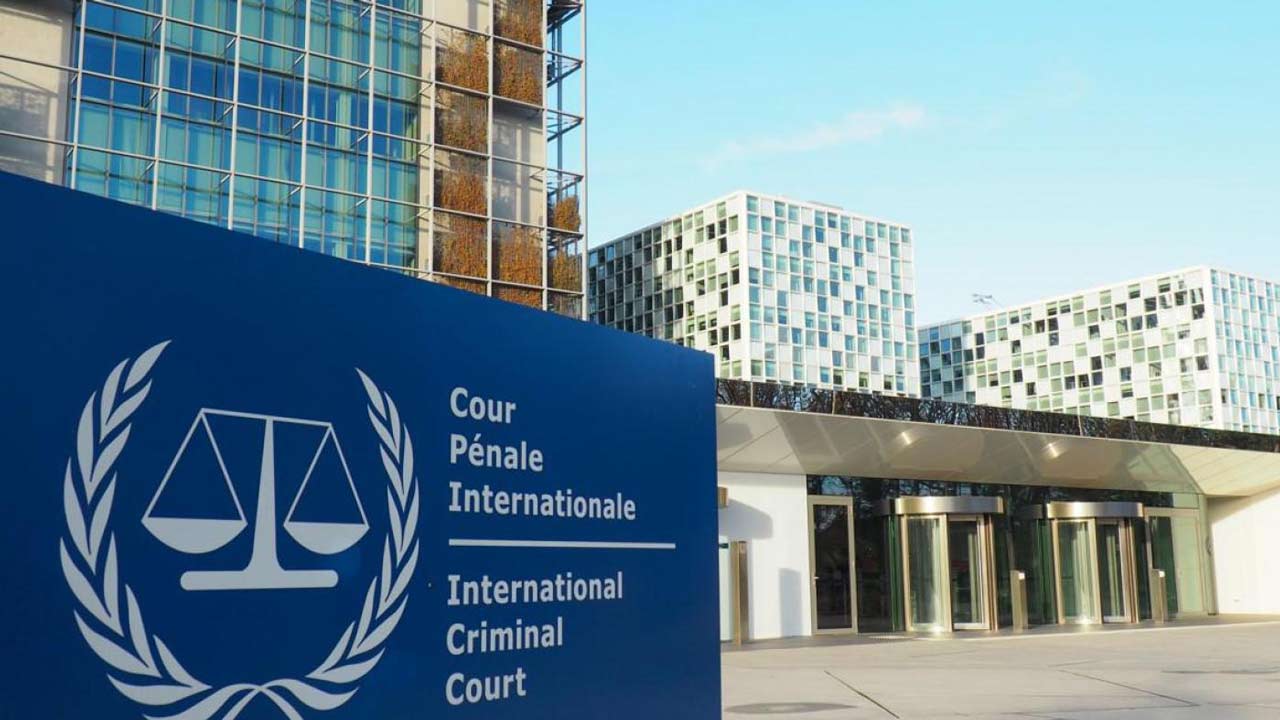

The global court fight over the Gaza conflict has entered a harder phase, with judges at The Hague making it clear they will not pause or soften their actions, even under pressure from Israel and its allies.
What just happened
Appeal judges at the international court rejected Israel’s latest legal move to stop the investigation linked to the fighting in Gaza. The judges said the prosecutors are allowed to look at events that happened after the October 7 attacks carried out by Hamas. This means the case does not stop, and it does not shrink.
This decision keeps earlier arrest warrants active, including those tied to Israel’s prime minister and a former defence chief. The court is saying, in simple terms, that no side gets special treatment once allegations fall under its reach.

Why Israel is pushing back
Israel does not accept the authority of the court and says it has not committed war crimes. It argues that its military actions were part of a campaign to destroy Hamas after the deadly attacks on its territory.
But the judges did not accept this argument as a reason to shut down the investigation. They ruled that questions about guilt or innocence come later, not at this stage.
What this means for the Gaza conflict
The ruling does not end the war, and it does not bring quick justice either. What it does is keep international legal pressure alive while the humanitarian situation in Gaza remains severe. Much of the region’s infrastructure has been destroyed, and daily life for civilians is extremely hard.
Health officials in Gaza say tens of thousands have been killed since the fighting began, figures often cited by the United Nations. Even with a ceasefire now in place, the damage done will shape the region for years.
Why this case matters globally
This moment is bigger than Israel and Gaza alone. It tests whether international law can stand firm when powerful states resist it. Many countries are watching to see if the court applies the same standards to everyone, or bends when politics get loud.
For supporters of international justice, this decision is seen as a sign of independence. For critics, it raises fears of deeper political tension between states and global institutions.
No quick end in sight
This ruling only addresses one of several legal challenges. Other objections from Israel are still pending, and there is no clear timeline for those decisions. That means uncertainty will continue, both legally and politically.
What is clear is that the judges have chosen to move forward, not step back. The legal battle around the Gaza conflict is far from over, and its outcome could shape how future wars are judged on the world stage.