French farmers have taken their protest to the streets in a very visible way, showing deep anger over an EU trade deal and how the government is handling farming issues. Across several parts of the country, tractors blocked roads while waste from farms was dumped in public places to send a clear message to leaders in Paris and Brussels.
Why farmers are protesting
At the centre of the protests are two main issues. First is the government’s handling of lumpy skin disease among cattle. Farmers say the policy of killing entire herds when one case is found is harsh and unfair, especially for small farmers who lose everything overnight.
The second issue is the planned trade agreement between the European Union and the Mercosur bloc in South America. Farmers fear the deal will allow cheaper food imports that do not meet French standards, making it harder for local producers to survive.
Protests grow louder
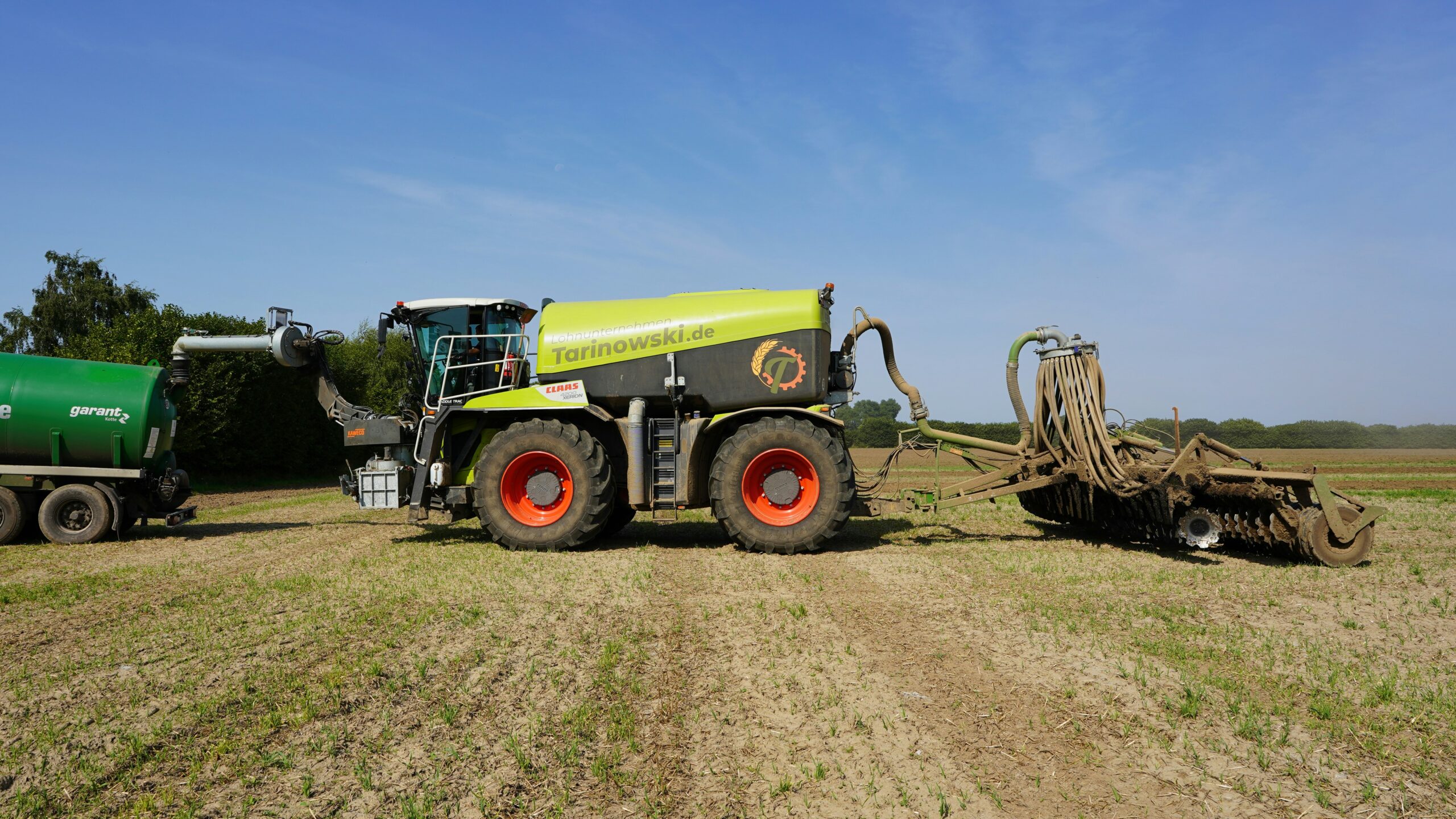
For more than a week, farmers have blocked highways, gathered outside key buildings, and used manure, potatoes, and coffins as symbols of what they say is the death of French agriculture. Outside President Emmanuel Macron’s residence, protesters parked tractors and left signs rejecting the trade deal.
These actions are meant to shock, but farmers say they feel ignored and pushed to the wall.
Government asks for calm
With Christmas close, the French government has asked farmers to pause the protests during the holiday period. Officials warned that more roadblocks would not be tolerated and said they would act to keep roads open.
Prime Minister Sebastien Lecornu has been meeting with major farm unions and promised written responses to their demands. The government hopes this will calm tensions and lead to a break in protests.
Unions divided
Some farming unions have agreed to observe a Christmas truce, saying they are waiting to see what the government offers. Others are not convinced and say action will continue if promises turn out to be empty.
This split shows how deep the frustration runs and how little trust remains between farmers and authorities.
What this says about France
These protests are not just about one disease or one trade deal. They reflect a wider fear among farmers that their way of life is under threat. Rising costs, strict rules, and global trade pressures have left many feeling squeezed from all sides.
Bottom Line
What is happening now is a warning sign. If farmers feel forced to protest this way, it shows a serious gap between policy decisions and life on the farm. Without real solutions, the anger may only grow stronger after the holidays.