
The quiet Arctic island of Greenland has suddenly become a loud global issue; European soldiers are landing in small numbers, military plans are being drawn up, and allies are speaking carefully but firmly. All this is happening because President Donald Trump has refused to drop his demand that the United States must take control of Greenland. What used to sound like political noise is now shaping real military action.
Why Greenland Now Matters so Much
Greenland sits in a powerful position in the Arctic. It is rich in minerals and sits between North America and Europe. Trump believes this makes it too important to leave in the hands of Denmark, even though Greenland is an autonomous territory within the Danish kingdom and part of NATO.

Trump argues that Denmark cannot protect Greenland from Russia or China. He says the United States must step in and own the island to secure it. European leaders strongly disagree. They say Greenland is not for sale and never will be.
This disagreement is no longer just talk. It is now turning into military planning.
Europe Sends Soldiers
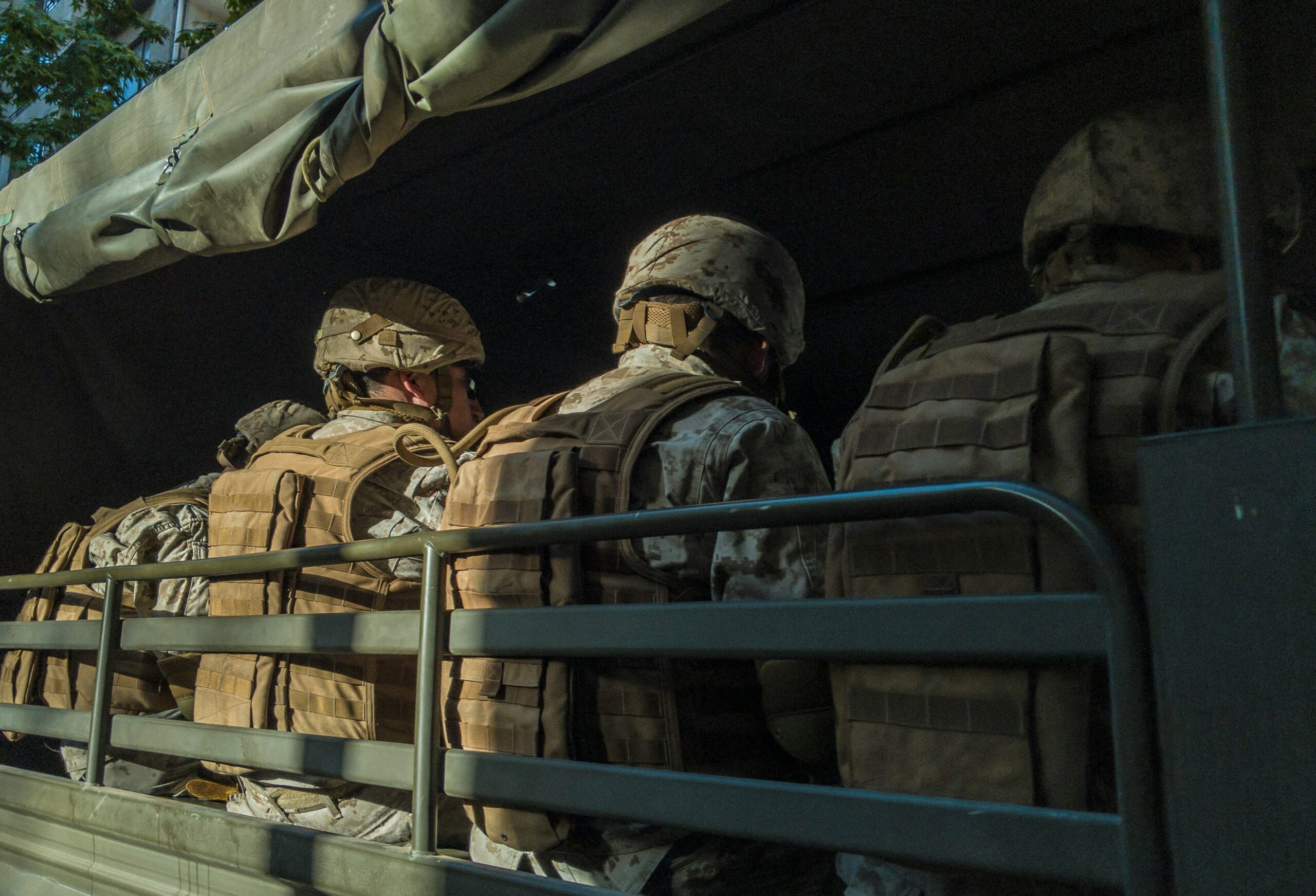
This week, European countries began sending small military teams to Greenland. Germany sent 13 personnel. France sent about 15 specialists. Sweden, Norway, the Netherlands, and Britain sent only a few officers each. Denmark also increased its own presence.
On the surface, these numbers look small. But the message is not small at all. Europe is showing that it is ready to defend Greenland if needed and that it takes Trump’s threats seriously.
These teams are not there to fight. They are there to plan exercises, improve surveillance, and prepare for larger drills later in the year. Still, the symbolism is strong.
Denmark Walks a Careful Line
Denmark is in a difficult position. It is a close U.S. ally, but it also has a duty to protect Greenland’s sovereignty. Danish Prime Minister Mette Frederiksen has openly admitted that the disagreement with Washington is serious.
She says Denmark will continue doing everything possible to stop any attempt by the United States to take Greenland. At the same time, Denmark is trying not to provoke Trump further. This is why military moves are measured, not aggressive.
Behind the scenes, Denmark hopes that showing more European involvement will calm U.S. fears and remove Trump’s main argument.
NATO Unity Under Pressure
Trump has gone as far as saying NATO would be stronger if Greenland were controlled by the United States. European leaders see this as dangerous thinking. Some EU officials have warned that a U.S. military seizure of Greenland could destroy NATO from within.
France has been especially firm. President Emmanuel Macron said Europe must be unyielding when it comes to territorial sovereignty. Germany and others have echoed that view.
This crisis is testing NATO’s unity in a way not seen for years. Allies are supposed to protect each other, not threaten each other’s territory.
Russia and China enter the conversation
Trump keeps pointing to Russia and China as reasons for his stance. Russia has pushed back, saying claims of Chinese or Russian threats around Greenland are exaggerated and meant to create fear.
There is little evidence of heavy Russian or Chinese shipping near Greenland today. Still, Russia warned that its interests in the Arctic cannot be ignored and that rising tension could lead to confrontation.
This adds another layer of risk. The Arctic was once calm. Now it is slowly turning into a zone of rivalry.
Greenland Speaks For Itself
Amid all this, Greenland’s leaders have been clear. They do not want to be owned or governed by the United States. Greenland’s prime minister has called for unity, calm, and responsibility.
For now, Greenland prefers to stand with Denmark and within NATO. Independence remains a long-term goal, but leaders say this is not the time to gamble with their future.
What This Really Shows
Europe’s military steps are defensive, but they are also a warning. Trump’s ambition has not faded, and Europe is preparing for a future where words may no longer be enough.
Greenland has become a symbol. Not of weakness, but of how far allies are now willing to go to protect borders, even from each other.