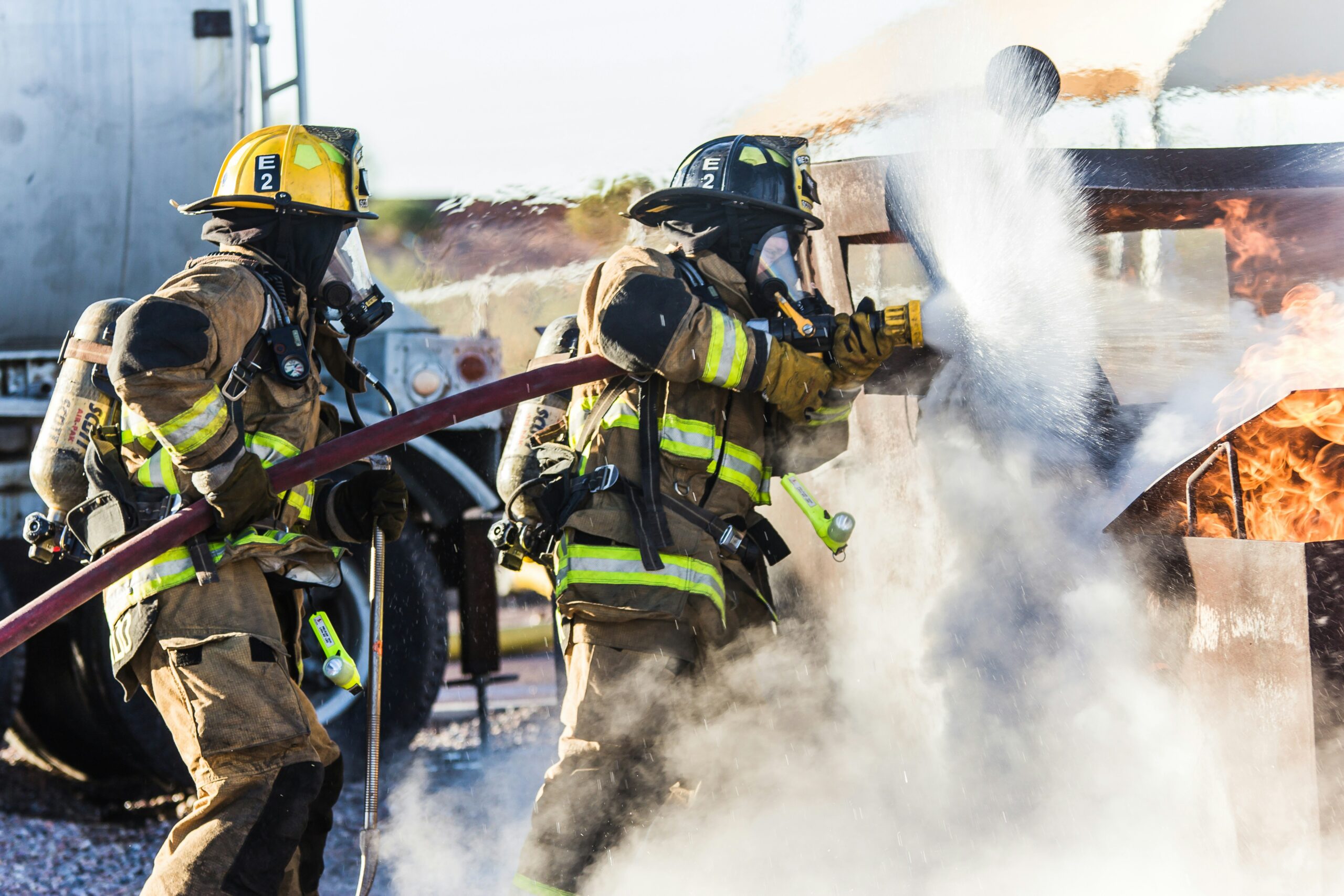

Southern Chile is once again burning, and this time the cost is already high. At least 15 people are dead, tens of thousands have fled their homes, and entire towns are wrapped in smoke and fear. The government has declared a state of emergency as fires rip through the Nuble and Biobio regions, turning a familiar seasonal threat into a national crisis.
This is not just another wildfire story. It is a reminder that Chile is walking into fire season with wounds that never really healed from the last one.
A Fast-Moving Disaster
The fires began spreading aggressively over the past two days, pushed by strong winds and intense summer heat. Nearly two dozen separate blazes are burning across the country, but the worst damage is in Nuble and Biobio, about 500 kilometers south of the capital, Santiago.
Security Minister Luis Cordero confirmed the death toll on Sunday and said more than 50,000 people have been forced to evacuate. Entire neighborhoods in cities like Penco and Lirquen emptied almost overnight. These are not small towns. Together, they are home to about 60,000 people.
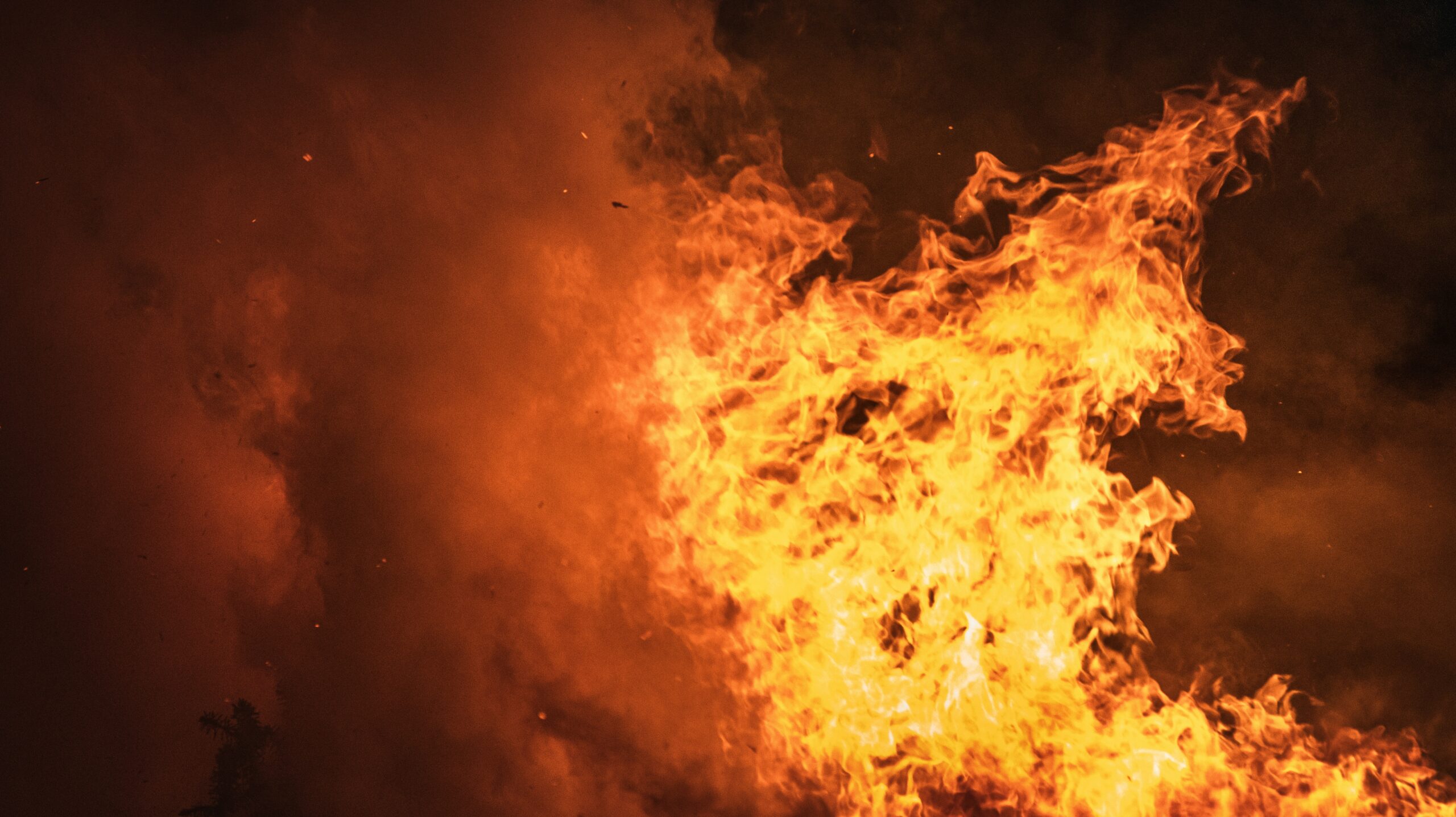
Television images showed burned-out cars, glowing skies, and flames moving dangerously close to homes. For many residents, there was little time to save anything.
Government Steps In, Army Joins the Fight
President Gabriel Boric declared a state of emergency in the affected regions, saying all available resources would be deployed. That decision brings the armed forces into the response, a move that shows just how serious the situation has become.
Interior Minister Alvaro Elizalde described the moment clearly: “We face a complicated situation.” It is a simple statement, but it carries weight. Chile has seen this before, and officials know how fast things can spiral.
Emergency teams are battling fires day and night, but weather conditions are working against them. Heat, dry land, and wind are doing the flames a dangerous favor.
Fear, Smoke, and Forced Evacuations
Most evacuations have taken place in Biobio, where families were left with only what they could carry. Shelters are filling up, and many evacuees do not know when, or if, they will return home.
For those who stayed behind too long, the consequences were deadly. Authorities have not yet released full details of the victims, but each number represents a life lost in a fire that moves faster than warnings and wider than control lines.
This human cost is what makes the headline real. Emergency Declared as Southern Chile Turns Into an Inferno is not an exaggeration. It is a description.
A Pattern Chile Knows Too Well
Wildfires are no longer rare events in Chile. They are becoming a regular part of life in the south-central regions. In February 2024, fires near Vina del Mar killed 138 people and affected about 16,000 others. That disaster shocked the nation and raised hard questions about preparedness, land management, and climate pressure.
Two years later, those questions remain. Fires keep coming. Each season feels worse than the last.
Many experts and residents say this is no longer just about bad weather. Years of drought, rising temperatures, and poor forest planning have created conditions where fires spread faster and burn hotter. When they start, stopping them becomes a race against time.
More Than an Emergency, a Warning
What is happening in southern Chile is not just a moment of crisis. It is a warning sign. Declaring a state of emergency helps in the short term, but it does not solve the deeper problems feeding these fires.
As smoke covers towns and families count their losses, the country is forced to confront a hard truth. These infernos are becoming part of Chile’s reality, and without stronger prevention and long-term planning, each summer may bring the same fear, the same flames, and the same painful headlines again.