President Emmerson Mnangagwa, the 83-year-old leader known as “the crocodile” for his political cunning, is engineering a constitutional revolution that would wipe off presidential term limits, allow parliament to appoint rather than elect the head of state, and extend his grip on power until at least 2030. He’s planning this all while facing accusations that he is mutilating the very constitution he swore to defend.
Zimbabwe’s cabinet approved the Constitutional Amendment No. 3 Bill of 2026 on Tuesday, a sweeping overhaul that would replace direct presidential elections with a parliamentary appointment system and extend the presidential term from five to seven years. If passed, Mnangagwa (already in his second and final term set to expire in 2028) would be permitted to serve an additional two seven-year terms, potentially ruling until 2044.
“A Defining Constitutional Moment”
The proposed changes strike at the heart of Zimbabwe’s 2013 Constitution, a document overwhelmingly approved by citizens in a national referendum explicitly designed to prevent the return of a life presidency after Robert Mugabe’s 37-year grip on power.
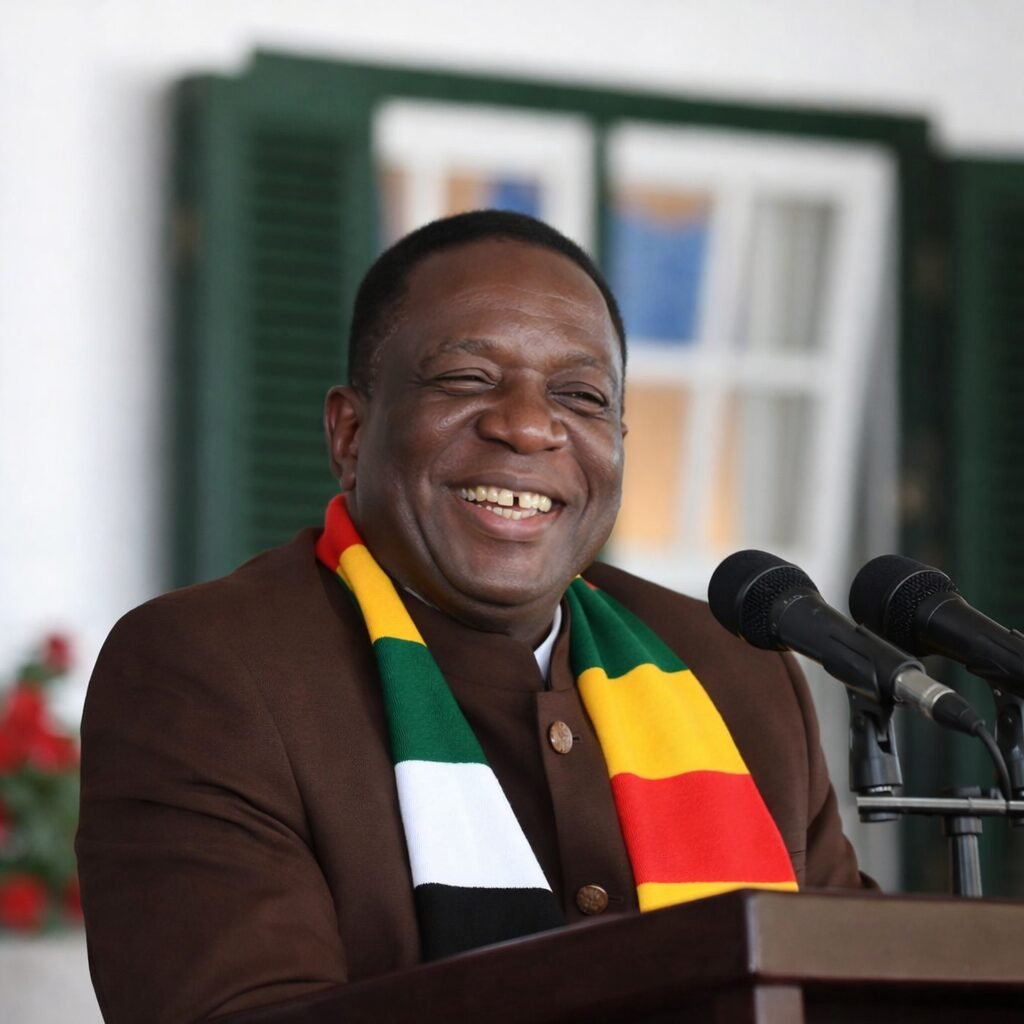
“The Constitution is explicit on presidential term limits. That provision was not accidental. It was born out of a painful national experience with over-centralised power and prolonged incumbency,” wrote the NewsDay Zimbabwe editorial board, which is part of the Defend the Constitution Platform . “Zimbabweans voted for term limits precisely to ensure leadership renewal, prevent entitlement to office and protect the republic from personalised rule.”
Justice Minister Ziyambi Ziyambi framed the amendments as routine legal evolution, stating the bill would undergo a 90-day public consultation period before parliament debates it. Information Minister Jenfan Muswere said the reforms aim to “reduce election-related disruptions, enhance policy continuity” and align Zimbabwe’s governance with “contemporary African constitutional models”.
A Referendum or “Judicial Cover”?
Opposition figures and legal experts immediately cried foul, insisting that any amendment extending an incumbent’s tenure must by law be subjected to a national referendum—a hurdle they believe the ruling Zanu-PF party, which dominates both parliamentary chambers, is determined to bypass.
“They know that if that happens, they will fail, so they will do all in their power to prevent a referendum from happening,” said David Coltart, mayor of Bulawayo and a vocal opposition politician. “I have no doubt that it will be given ‘judicial cover’ by an appropriate judgement being issued by the Constitutional Court stating that they don’t have to have a referendum”.
Constitutional expert Professor Lovemore Madhuku described the cabinet’s move as “totally unacceptable” and a recipe for major upheaval. “As far as we know, they do not even have a referendum on the agenda. It’s an unthinkable way of trying to do politics and … it is going to cause political instability”.
The “Bombshell” Who Died—and the Dissent That Remains
Mnangagwa’s 2030 ambitions have simmered for two years, marked by Zanu-PF rallies chanting “2030 he will still be the leader” despite the president’s public disavowals. His most formidable internal critic, Blessed Geza—a respected independence war veteran and former Zanu-PF central committee member nicknamed “Bombshell”—died last week in South Africa after waging a scathing campaign against the tenure extension.
Hours before his death, a message on Geza’s social media urged Zimbabweans to carry forward the “noble war” to remove Mnangagwa and “end the plunder of our country”. His death has not silenced dissent. Rights lawyer Paida Saurombe declared, “It’s a sad day for Zimbabwe. To have the very constitution … mutilated in one go and against the very spirit of the constitution is extremely sad. The foundation of the nation is under attack by those who should protect it”.
A Legacy at Stake—and a Pattern of African Strongmen
Mnangagwa faces a defining choice. He has repeatedly styled himself a constitutionalist who respects term limits. His supporters argue he needs more time to complete his “Agenda 2030” development programme. Critics counter that constitutions are not performance bonuses.
“Even the most capable leader must submit to the rules of succession,” the NewsDay editorial warned. “Democracy is sustained not by personalities, but by institutions that outlive individuals. Leadership in a constitutional democracy is a relay, not a solo race. No matter how strong the runner, the baton must be passed” .
The bid places Zimbabwe within a troubling regional pattern: Uganda’s Yoweri Museveni (since 1986), Rwanda’s Paul Kagame (since 2000), and others have similarly amended constitutions to erase term limits through technical revisions dressed as reform. Political commentator Dr Vusumuzi Sibanda warned that this is “the beginning of the end,” situating Zimbabwe among African states where “leaders have extended their rule through technical amendments dressed as reform”.
“Mr President, Honour Your Word”
The bill now moves to the Attorney General for “legal scrubbing” before gazetting, followed by 90 days of public consultation and parliamentary debate. With Zanu-PF commanding a two-thirds supermajority, its passage appears assured—unless President Mnangagwa himself intervenes.
“He sits at the centre of this process. He can stop the amendment in the Cabinet. He can refuse to assent to a Bill that mutilates the supreme law. His signature will either defend the Constitution or fracture it,” the NewsDay editorial concluded. “Mr President, that legacy begins with a decisive step: honour your word and tell those pushing for term extension to stop it”.
For millions of Zimbabweans already battered by economic collapse, hyperinflation, and alleged state repression, the question on everybody’s mind now is no longer whether their leader can extend his rule but whether anyone still remains with the power to stop him