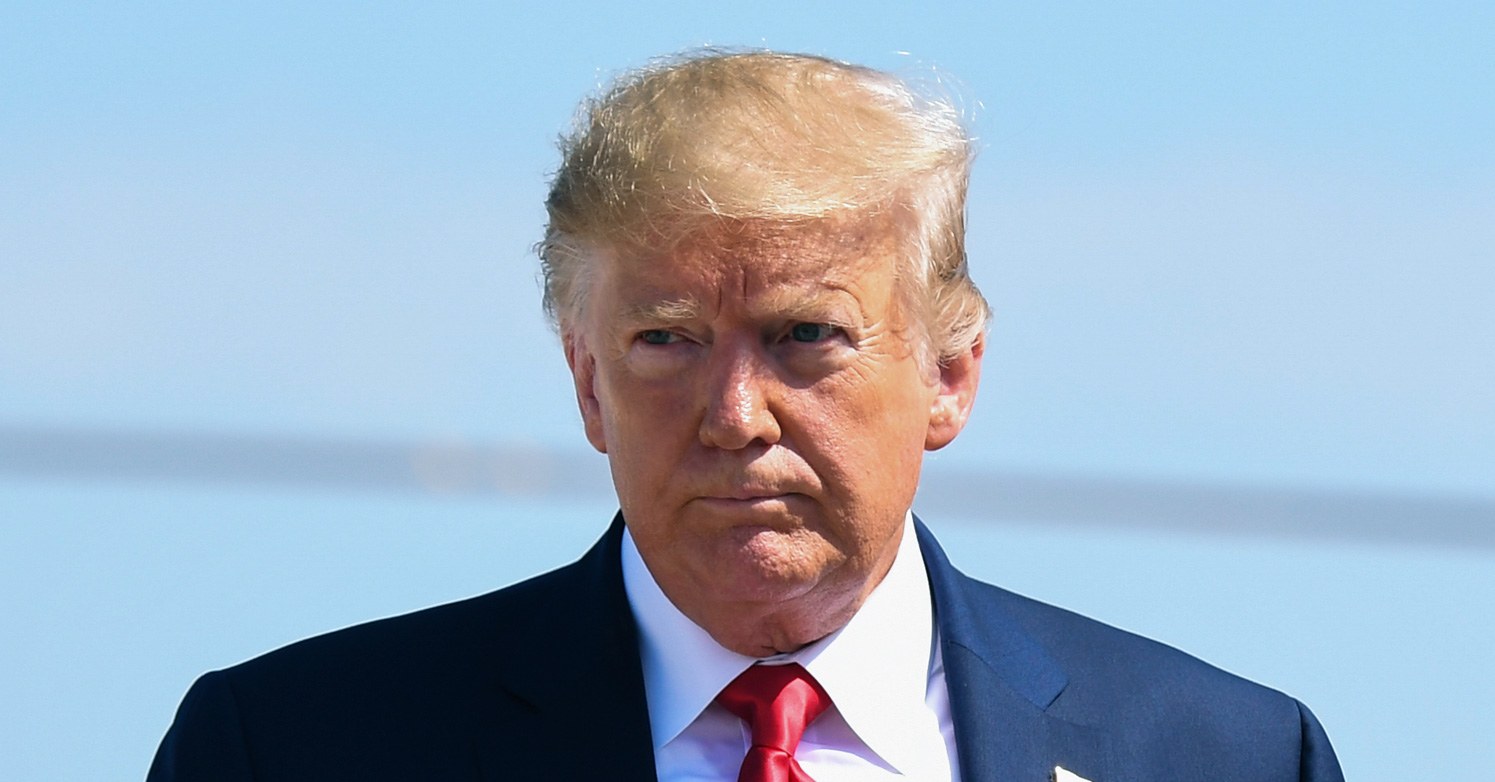

Donald Trump spent months warning that a Supreme Court decision like this would be catastrophic. On Friday, a six-justice majority told him it didn’t matter.
The court ruled that Congress, not the president, holds the power to impose sweeping tariffs—and that nothing in the Emergency Economic Powers Act of 1977 delegated such authority to Trump. The decision strikes at the heart of his second-term economic agenda, invalidating tariffs affecting nearly every U.S. trading partner and potentially forcing the administration to return billions in collected revenue.
Two of Trump’s own appointees—Justices Neil Gorsuch and Amy Coney Barrett—joined the liberal justices in the majority. Chief Justice John Roberts wrote the opinion. The message was unmistakable: the president’s power has limits.

‘He Cannot’
The ruling represents a rare check on a president unaccustomed to being told no. Over the past year, the court has largely allowed Trump to press ahead with his agenda on immigration and government restructuring while legal challenges played out. This case, fast-tracked as an emergency, slammed the door on one expansive use of presidential authority.
Roberts was blunt: the 1977 law “does not authorize the President to impose tariffs.” The tariffs Trump imposed under it were therefore illegal.
Justice Brett Kavanaugh, dissenting, warned that sorting out the consequences—including whether the government must refund an estimated $140 billion in tariffs—would be a “mess.”
The Political Fallout
For Trump, the decision is more than a legal defeat. It weakens his hand in trade negotiations, tarnishes his aura of invincibility, and could embolden trading partners to take a tougher line.
Jamieson Greer, Trump’s top trade adviser, acknowledged last month that the White House had prepared for this outcome. “The president is going to have tariffs as part of his trade policy going forward,” he said.
But the remaining options are more limited. New tariffs would require detailed agency justifications and face restrictions on scope and duration. Gone are the days when Trump could threaten triple-digit tariffs with a Truth Social post and watch markets tremble.
If Trump wants to restore his free hand, he could ask Congress for explicit authorization. With narrow Republican majorities and midterm elections looming, that path looks steep.
An Awkward Tuesday Night
The timing could hardly be worse. On Tuesday, Trump will deliver his State of the Union address to a joint session of Congress. Tradition places the Supreme Court justices in the front row.
The president who spent months warning the court against this decision will stand feet away from the justices who just dismantled a key pillar of his second-term agenda.
For some Republicans, there may be quiet relief. Trump’s tariffs—and the costs they imposed on consumers—have been unpopular. Candidates in battleground districts now have one less vulnerability to defend.
What Comes Next
The court left the question of tariff refunds to a lower court, ensuring months of additional litigation. Other major cases involving executive power—including efforts to end birthright citizenship and dismiss a Federal Reserve governor—remain pending.
But Friday’s decision signals that even this court, which has often sided with Trump, has limits. The president can push. He can test boundaries. But when he exceeds what the law allows, six justices are willing to say so.
The words Roberts wrote will echo beyond this case: “He cannot.”