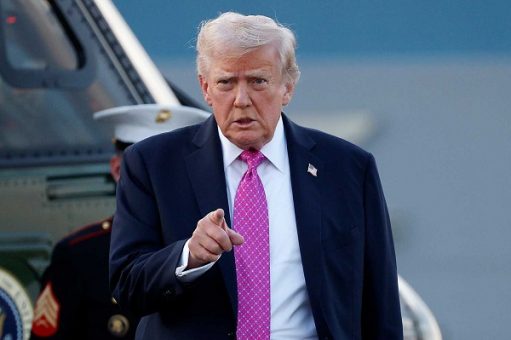

The possibility of a diplomatic resolution to the two-week-old Middle East conflict appears to have evaporated as both Washington and Tehran dig in for a protracted war. Despite intense pressure from regional allies and the looming shadow of the U.S. midterm elections, Trump rejects efforts to launch Iran ceasefire talks, according to senior officials familiar with the stalled negotiations. While Oman and Egypt have repeatedly attempted to open lines of communication, the White House has remained steadfast, signaling that the mission to dismantle Iran’s military capabilities will continue “unabated.”
The “Too Late” Doctrine
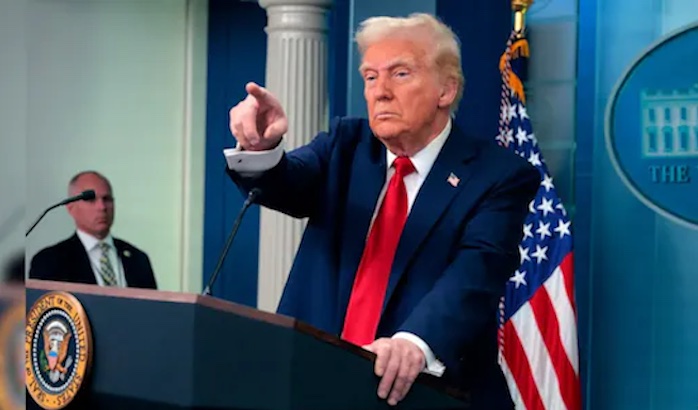
The administration’s refusal to engage stems from a belief that the joint U.S.-Israeli assault, known as Operation Epic Fury, has the Iranian regime on the ropes. On his Truth Social platform, President Trump previously claimed that the Iranian leadership was so battered they were desperate to negotiate, only to dismiss the prospect by stating it was “Too Late!” This hardline stance was echoed by a senior White House official who confirmed that the President is currently “not interested” in a ceasefire, preferring to press the tactical advantage while Tehran’s military infrastructure is vulnerable.
Iran’s Hardened Position and the Strait of Hormuz
The sentiment in Tehran is equally uncompromising. Sources close to the Islamic Revolutionary Guard Corps (IRGC) indicate that the elite paramilitary force believes losing control of the Strait of Hormuz would mean losing the war. Consequently, the IRGC has reportedly overruled political leaders who may have been open to mediation. Iran is now demanding a total cessation of U.S.-Israeli strikes and financial compensation before any talks can begin, a demand that Washington has flatly ignored.
Internal Division and the Oil Crisis
The decision to ignore ceasefire efforts is causing friction within the President’s own circle. Some U.S. officials and advisers are warning that the “Epic Fury” campaign is becoming a political liability. With gasoline prices surging due to the closure of the Strait of Hormuz, the world’s most critical oil artery—there is a growing fear that the economic fallout could cost the Republican Party dearly in the upcoming elections. However, a competing faction of hawks is pressing Trump to maintain the offensive until Iran’s nuclear and missile programs are permanently neutralized.
The Collapsed Vance Channel
Perhaps the most revealing detail of the diplomatic breakdown involves a failed attempt to use Oman as a conduit for high-level discussions between Iranian Foreign Minister Abbas Araghchi and U.S. Vice President JD Vance. According to sources, these back-channel discussions never materialized, as the window for de-escalation that existed in the war’s opening days has firmly shut. As positions harden on both sides, the focus has shifted from the negotiating table back to the battlefield, with both nations preparing for the human and economic costs of a long-term conflict.