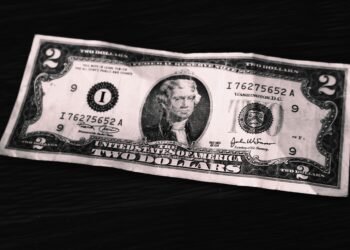
The Nigerian Naira is once again caught in a familiar position, showing little movement while major foreign currencies continue to dominate the parallel market. Any earlier signs of a possible shift have faded, leaving the currency in a holding pattern that offers stability, but no real progress.
As of Friday, April 17, 2026, black market rates remain largely unchanged:
US Dollar: ₦1,380 (Buying) / ₦1,400 (Selling)
Euro: ₦1,570 (Buying) / ₦1,600 (Selling)
British Pound: ₦1,840 (Buying) / ₦1,800 (Selling)
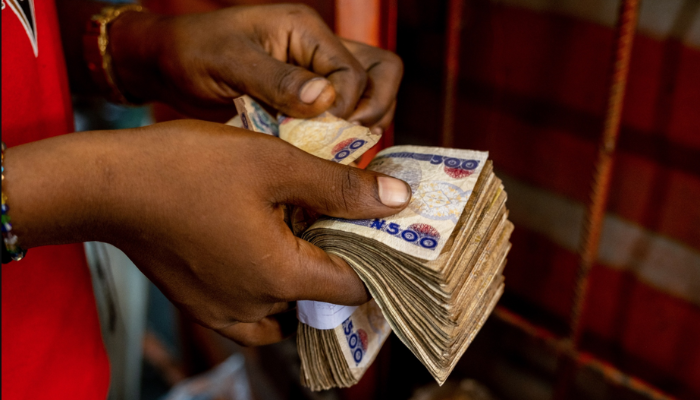
Rather than gaining further ground, the Naira appears to be simply maintaining its current level, while the dollar, euro, and pound continue to hold firm. This steady grip from foreign currencies keeps the local currency from making any meaningful recovery.
The core issue remains unchanged, demand for foreign exchange is still far higher than supply. Until that gap narrows, any attempt by the Naira to strengthen is likely to face resistance.
There is also a growing sense of caution in the market. Policy signals remain mixed, and that uncertainty continues to make businesses and investors hesitant. That hesitation slows down confidence, making it harder for the Naira to build momentum.
Beyond short-term movements, deeper structural challenges persist. Nigeria’s reliance on imports continues to drive strong demand for foreign currencies, while limited export growth restricts inflows. This imbalance keeps pressure firmly on the Naira.
For everyday Nigerians, the impact remains clear. Prices of basic goods and services continue to reflect the weakness of the currency, stretching household budgets and increasing the cost of living.
At this stage, the story is no longer about sharp rises or sudden falls. It is about a steady but frustrating reality, the Naira is holding its position, but without the strength to push forward, while foreign currencies remain firmly in control.