

As the Naira continues to face unprecedented pressure, the Central Bank of Nigeria (CBN) has officially launched the Nigerian Overnight Financing Rate (NOFR). Developed in partnership with the Financial Markets Dealers Association, this move is designed to inject transparency into a system that has long been criticized for its inconsistency. The question remains: is this a genuine structural fix or just another acronym in a failing economy?
What is the NOFR?
The NOFR is a standardized reference rate for overnight funding. Essentially, it dictates how much it costs for banks to borrow money from each other for short durations. The CBN is explicitly modeling this after the U.S. SOFR and the U.K. SONIA, hoping that by speaking the “language” of global finance, it can attract fleeing foreign investors back to Nigerian bonds and bills.
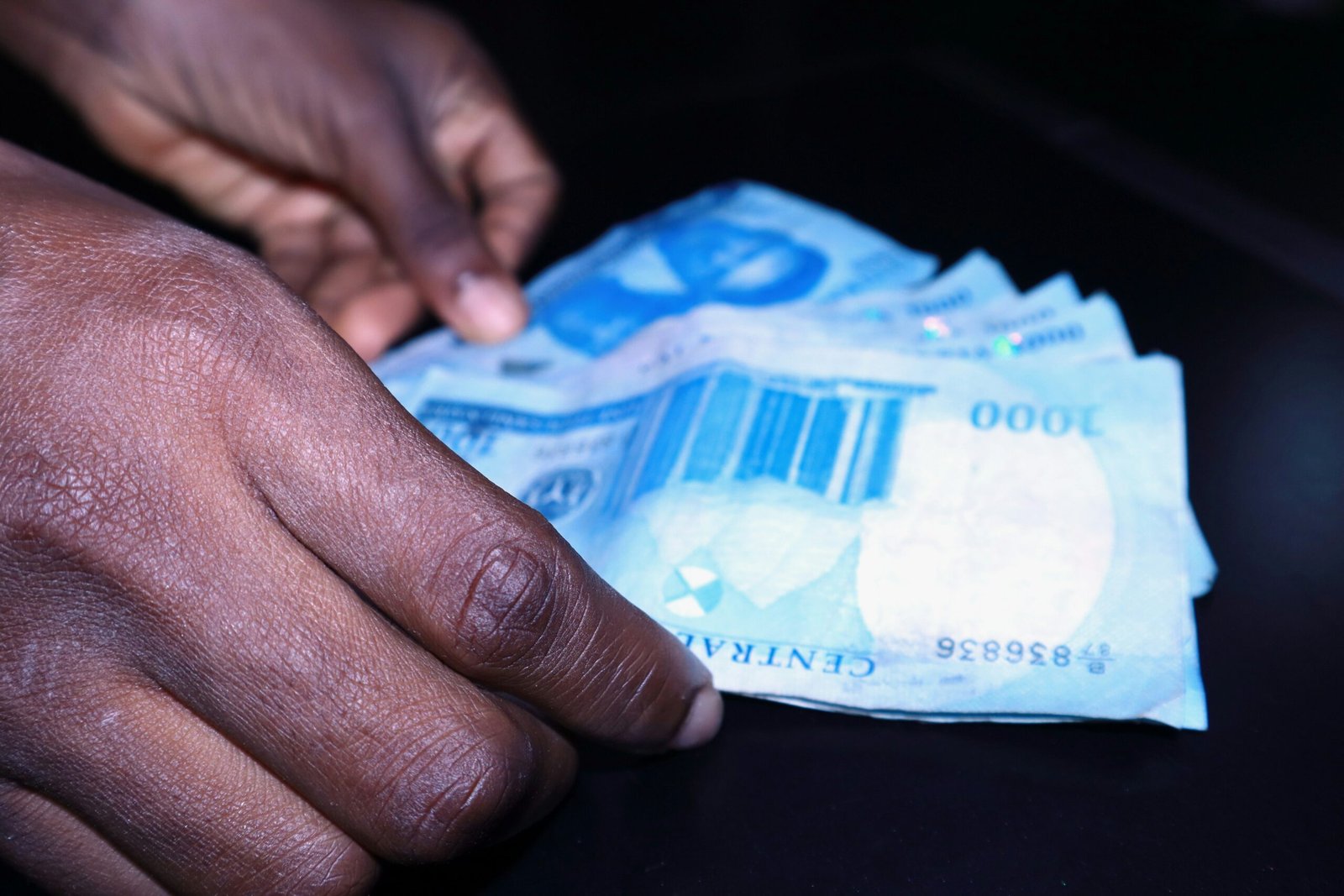
By creating a consistent price for money, the CBN hopes to improve “monetary policy transmission,” meaning when the bank raises rates to fight inflation, the effects actually reach the real economy. The rate was formally adopted following a high-level session on February 27, 2026, signaling that the commercial banks are (at least publicly) on board with the shift.
Why It Matters for the Naira
The Naira’s value is deeply tied to investor confidence and the efficiency of the money market. The CBN statement, signed by Hakama Sidi Ali, claims the rate will “boost investor confidence” by ensuring consistent pricing across the financial system.
By complementing the JIBAR (Johannesburg Interbank Average Rate), Nigeria is positioning itself to be a more stable partner in regional trade, potentially easing the demand for the dollar.
Is it Too Little, Too Late?
While the technical shift is impressive, Many argue that a new benchmark rate cannot fix the underlying issues of production, oil dependency, and insecurity. With the Iran war causing global oil fluctuations and domestic costs rising, a new “benchmark” may not be enough to stop the Naira’s slide if the fundamental demand for foreign exchange isn’t addressed.
This move comes alongside the CBN’s plan to tighten BVN rules starting May 1, 2026, suggesting a broader “clampdown” era is beginning under the current leadership. As the NOFR goes live, the financial world is watching to see if this new standard will provide the “standardized reference” Nigeria needs to regain its footing, or if it will simply be another footnote in the history of the Naira’s volatility.
Do you think adopting Western-style financial benchmarks like the NOFR can truly stabilize the Naira, or does Nigeria need to focus on radical industrial reforms rather than “fixing the math” of the money market?