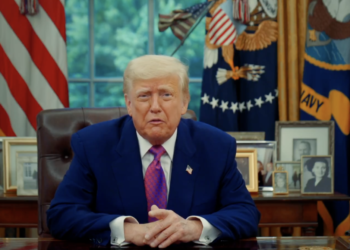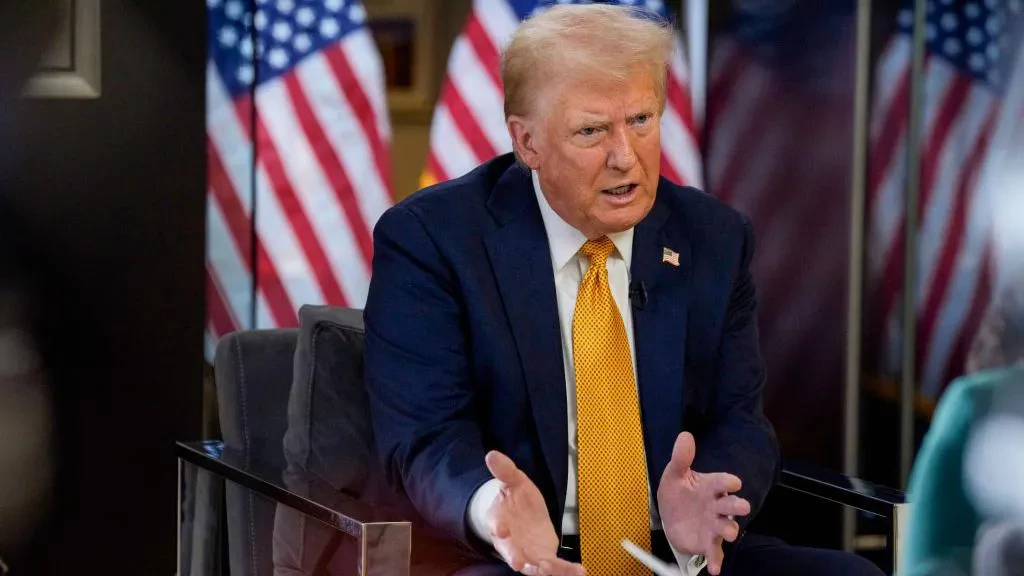

The clock is ticking. A law that lets intelligence agencies spy on foreigners using American digital infrastructure is about to expire. President Trump wants it extended — without changes. A bipartisan group of lawmakers is refusing to go along.
The result is a high-stakes showdown over surveillance, privacy, and the limits of government power.
The US Congress has voted to temporarily extend the Foreign Intelligence Surveillance Act for just 10 days. The House and Senate each passed the short-term extension on Friday after failing to secure the long-term authorization that Trump has demanded. The law was due to expire on Monday. Now, negotiators have until April 30 to find a compromise — or let the law lapse entirely.
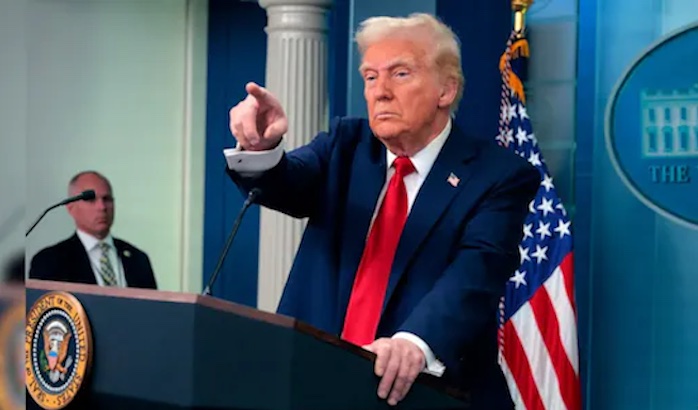
At the center of the fight is Section 702, a provision added to FISA in 2008. It gives the National Security Agency authority to spy on foreigners using data drawn from US digital infrastructure. Critics say it allows the NSA and agencies it works with, such as the FBI, to mine massive amounts of individuals’ information without a warrant.
The American Civil Liberties Union has been blunt. “The US government engages in mass, warrantless surveillance of Americans’ and foreigners’ phone calls, text messages, emails, and other electronic communications,” the ACLU said. “Information collected under the law without a warrant can be used to prosecute and imprison people, even for crimes that have nothing to do with national security.”
National security officials argue the opposite. They say Section 702 is vital for disrupting terrorist plots, foreign espionage, international drug trafficking, and cyber intrusion. Requiring warrants for every query would slow down operations and make them less efficient, they contend. They also argue that they often run queries to identify potential victims or prevent crimes — both of which may not be covered by warrants.
The fight over Section 702 is not new. But it has reached a boiling point.
The Bipartisan Resistance
What makes this moment unusual is the coalition opposing Trump’s demand. Lawmakers from both parties want to reform the law. They are specifically targeting the “backdoor search” loophole — the ability to draw data from US intercepts without a warrant. That is not a partisan issue. It is a constitutional one.
Senate Majority Leader John Thune has signaled the possibility of reforming the bill, but stopped short of making any guarantees. The short-term extension buys time. It does not resolve the underlying disagreement.
Trump wants an 18-month re-authorization of the law without any changes. He has called for a “clean extension.” Lawmakers on both sides of the aisle oppose it because, they say, it amounts to warrantless surveillance of Americans. That is not a small accusation. It is a direct challenge to the Fourth Amendment, which protects individuals from unreasonable searches and seizures.
Trump’s Complicated History with FISA
Trump has a personal history with the law he is now demanding be extended. He has contended that he was “a victim of the worst and most illegal abuse of FISA” in US history during his 2016 presidential campaign against Hillary Clinton and during his 2020 campaign against Joe Biden.
That is a stunning reversal. The man who once called FISA an instrument of political persecution is now its most vocal defender.
This week, Trump softened his stance. He posted on social media that the US military desperately needs Section 702 to succeed on the battlefield, particularly in the wake of US operations in Venezuela and Iran. Then came a more dramatic statement: “I am willing to risk the giving up of my Rights and Privileges as a Citizen for our Great Military and Country!”
That is the language of a president asking Americans to trust him with their privacy. Lawmakers are not convinced.
What Happens Next?
The 10-day extension expires on April 30. If Congress does not act by then, Section 702 will lapse. Intelligence agencies will lose a critical tool. National security officials warn that it would be dangerous. Civil liberties advocates say it would be a victory for privacy.
The most likely outcome is another short-term extension. Neither side has the votes to force a clean, long-term re-authorization. Neither side has the votes to let the law die entirely. That leaves negotiation — and negotiation takes time.
But time is exactly what Congress does not have. The April 30 deadline is fixed. Lawmakers return from recess. The clock starts ticking. And the question hanging over Washington is whether the bipartisan resistance will hold or whether Trump’s pressure campaign will succeed.
The Bottom Line
So what is the FISA law Trump wants extended, and why are lawmakers resisting? Section 702 of the Foreign Intelligence Surveillance Act allows the NSA to spy on foreigners using US digital infrastructure. Critics say it enables warrantless surveillance of Americans. National security officials say it is vital for preventing attacks. Trump has demanded a clean, 18-month extension without changes. A bipartisan coalition of lawmakers wants reform, specifically to close the “backdoor search” loophole.
Congress passed a 10-day extension on Friday, pushing the deadline to April 30. The fight is not over. And the fundamental question — how much surveillance power should the government have, and what checks should limit it — remains unanswered.
Trump says he is willing to give up his rights for the military. Lawmakers say they are not willing to give up theirs. The next 10 days will determine who wins.