The European Union is preparing to drop its diplomatic shield and join the economic offensive against Tehran, according to sources in Brussels and Paris. A political agreement has been reached among ambassadors to widen the criteria for Iran sanctions. For the first time, “obstruction of the freedom of navigation” in the Strait of Hormuz will be a direct ticket to the EU’s blacklist.
The Two-Month Standoff
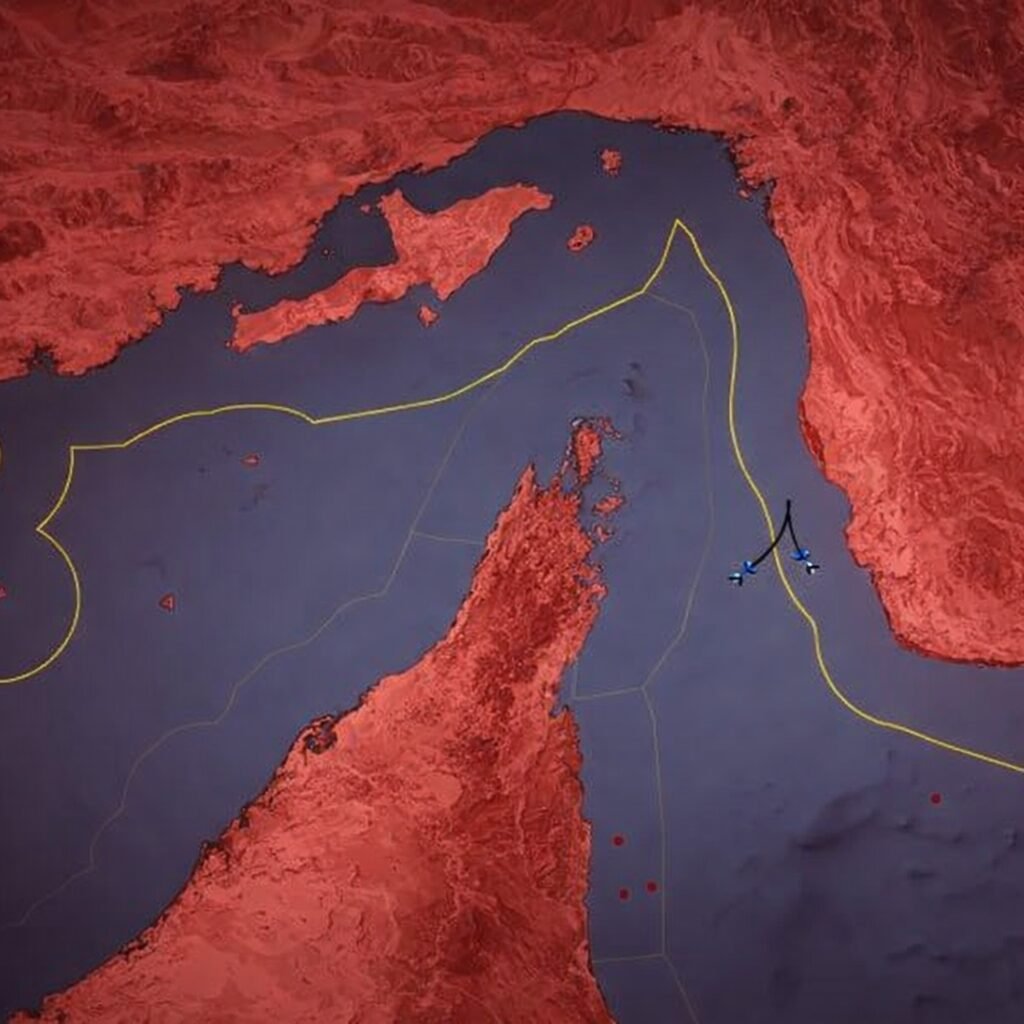
Since the U.S.-Israeli strikes on February 28, the Strait of Hormuz has been largely paralyzed. This chokepoint is responsible for nearly 20% of the world’s oil and liquefied natural gas (LNG). The shutdown has caused unprecedented volatility in global energy prices, hitting European economies particularly hard. While a brief ceasefire on Friday saw a dozen tankers attempt the passage, the seizure of an Iranian cargo ship by the U.S. and subsequent shots fired by the IRGC have brought traffic back to a standstill.
The Mechanism of Punishment
The European External Action Service (EEAS) is now tasked with drafting the specific list of names. This process is expected to take a few weeks, but will likely target: Senior officials within the IRGC Navy responsible for the “shoot-on-sight” orders against tankers. Officials who have provided the legal or political framework for the blockade.
Once listed, these individuals will face asset freezes across all EU member states and a total travel ban within the bloc.
Escalating Tension
This isn’t the first time the EU has sharpened its tone this year. In January 2026, the EU officially designated the Islamic Revolutionary Guard Corps (IRGC) as a terrorist organization. In March, additional listings were made for domestic rights violations within Iran. By adding “navigation obstruction” to the list, the EU is shifting from punishing Iran for internal behavior to punishing it for global economic disruption.
Global Ripple Effects
The timing is critical as Pakistan works frantically to broker peace talks in Islamabad. While an anonymous Iranian source suggested Tehran might join the talks if the U.S. blockade ends, the EU’s move adds a new layer of pressure. It sends a clear message: even if the U.S. and Iran reach a military truce, the individuals who held the world’s energy supply hostage will face long-term personal consequences.
Will the EU’s personal sanctions on Iranian officials actually force the reopening of the Strait, or will “blacklisting” only push Tehran to dig its heels in further as the Wednesday ceasefire deadline approaches?