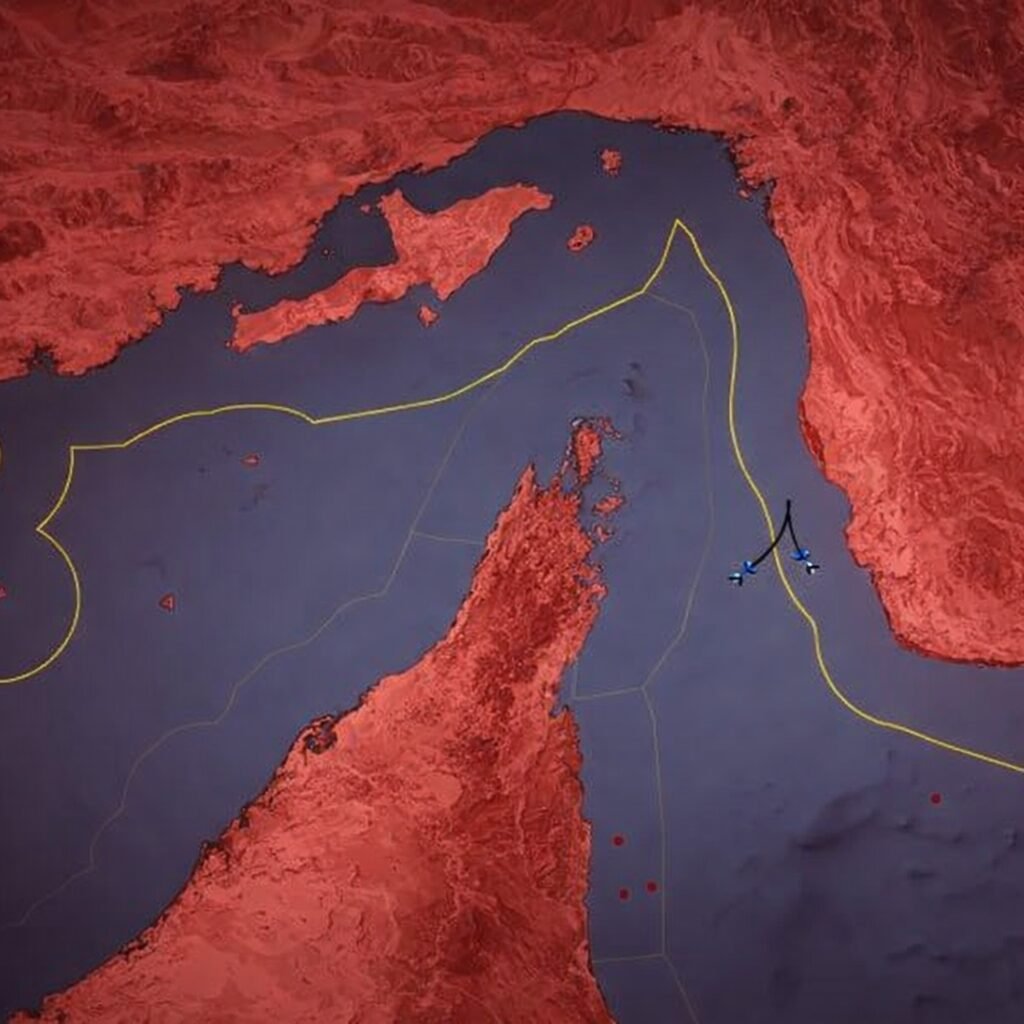

African countries are grappling with worsening fuel shortages, rising fertiliser costs and growing economic pressure as the ongoing blockade around the Strait of Hormuz continues to disrupt global trade routes.
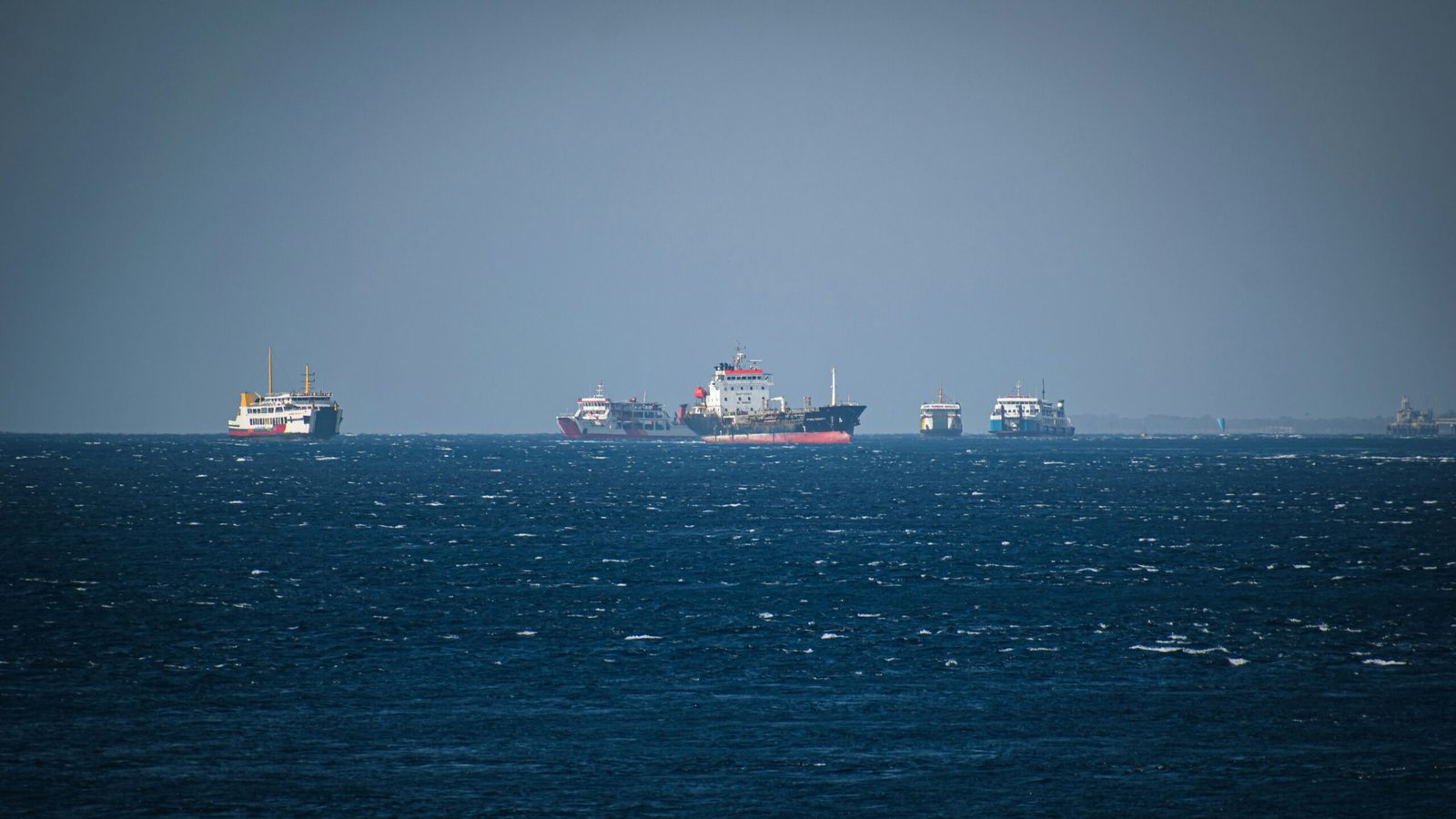
For more than two months, maritime traffic through the strategic waterway has remained severely restricted following tensions linked to the Middle East conflict, leaving many African economies struggling with supply disruptions.
The crisis has triggered cancelled flights, fuel scarcity, inflation concerns and fears of food shortages across parts of the continent.
Speaking on the development, Burundi’s ambassador to the African Union and chair of the Permanent Committee of Ambassadors, Willy Nyamitwe, said African leaders were paying close attention to the situation because of its economic implications.
“The AU is monitoring the situation around the Strait of Hormuz very closely because it affects a number of strategic goods that are essential to African economies,” he said.
Analysts warn that the continued disruption could worsen debt challenges already facing many African nations, especially if inflation further weakens local currencies.
Anja Berretta, director of the Africa Economic Program at the Konrad Adenauer Foundation in Nairobi, described the situation as serious, particularly for the agricultural sector.
“The situation is critical,” Berretta said.
“Especially when it comes to fertilisers, we were already facing a similar situation in 2022 when Russia launched its war of aggression against Ukraine; after all, Russia and Belarus were two of the most important fertiliser producers.”
She noted that although Africa managed to avoid widespread famine during the Ukraine crisis through interventions such as financial support from the African Development Bank, the current situation remains worrying.
Several countries are already implementing emergency measures to manage fuel shortages.
In Ethiopia, diesel supplies are reportedly being reserved mainly for public transportation, while South Sudan has introduced electricity rationing to reduce pressure on oil-powered energy plants.
Gambia has also begun subsidising fuel imports using tax revenue, while Zimbabwe is blending fossil fuels with ethanol to reduce pressure on supplies.
Africa’s aviation sector has also been affected by the global kerosene shortage, disrupting airline operations across the continent.
The fertiliser sector remains one of the hardest hit, as key ingredients such as sulphur, ammonia and urea traditionally pass through the Strait of Hormuz before reaching global markets.
According to South Africa’s Grain SA, ammonia prices in April were over 75 per cent higher than they were a year earlier, while urea prices rose by about 60 per cent.
The report highlighted concerns that reduced fertiliser access could affect crop yields for staple foods such as maize, rice and wheat, potentially triggering another wave of food inflation across Africa.
To address the crisis, the United Nations has proposed allowing fertiliser shipments to pass safely through the Strait of Hormuz, similar to the Black Sea Grain Initiative introduced during the Russia-Ukraine war.
Experts have also suggested that African countries could combine their fertiliser import efforts to strengthen purchasing power and reduce costs.
Berretta believes such cooperation is achievable.
“We’re not talking about technical capacities or financing; African countries would simply have to say, ‘Let’s do this together now,’” she said.
Long-term solutions are also being discussed, including expanding fertiliser production within Africa to reduce dependence on imports.
Countries like Morocco and Egypt already play major roles in fertiliser production, while the Dangote Group plans to expand urea production in Nigeria and Ethiopia.
Berretta stressed the need for regional supply chains rather than every country attempting local production.
“Not every country has the ideal conditions to establish its own fertiliser production. This is where regional supply chains play a very important role,” she explained.
The African Union also identified the African Continental Free Trade Area as part of the long-term solution to improving regional trade and strengthening supply chains.
“The AfCFTA is a central part of the solution,” Nyamitwe stated.
“At the African Union, we believe that through accelerated implementation of the AfCFTA, African states can build more resilient regional value chains in critical sectors such as agriculture, energy, health, and manufacturing.”