
The Supreme Court ruled on Thursday that the abortion pill Mifepristone can continue to be prescribed online or over the phone and sent through the mail, dealing a temporary blow to efforts to restrict access to medication abortion.
The high court’s order keeps the status quo in place for medication abortion access as a case brought by Louisiana against the Food and Drug Administration proceeds through the lower courts. The justices stayed a May 1 ruling from the New Orleans-based U.S. 5th Circuit Court of Appeals, which would have banned mifepristone from being mailed nationwide — including in states without abortion bans.
Thursday’s decision came in the form of an order issued around 5:30 p.m., about 30 minutes past a deadline the court had set for itself. Justices Samuel Alito and Clarence Thomas dissented publicly.
In his dissent, Alito railed at his fellow justices, calling the order “unreasoned” and “remarkable.”
“What is at stake is the perpetration of a scheme to undermine our decision in Dobbs,” Alito wrote, referring to the majority opinion he authored that overturned Roe v. Wade. Dobbs, he continued, “restored the right of each State to decide how to regulate abortions within its borders.”

How Telehealth Abortion Works
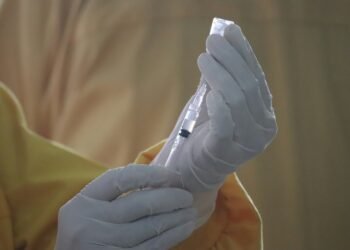
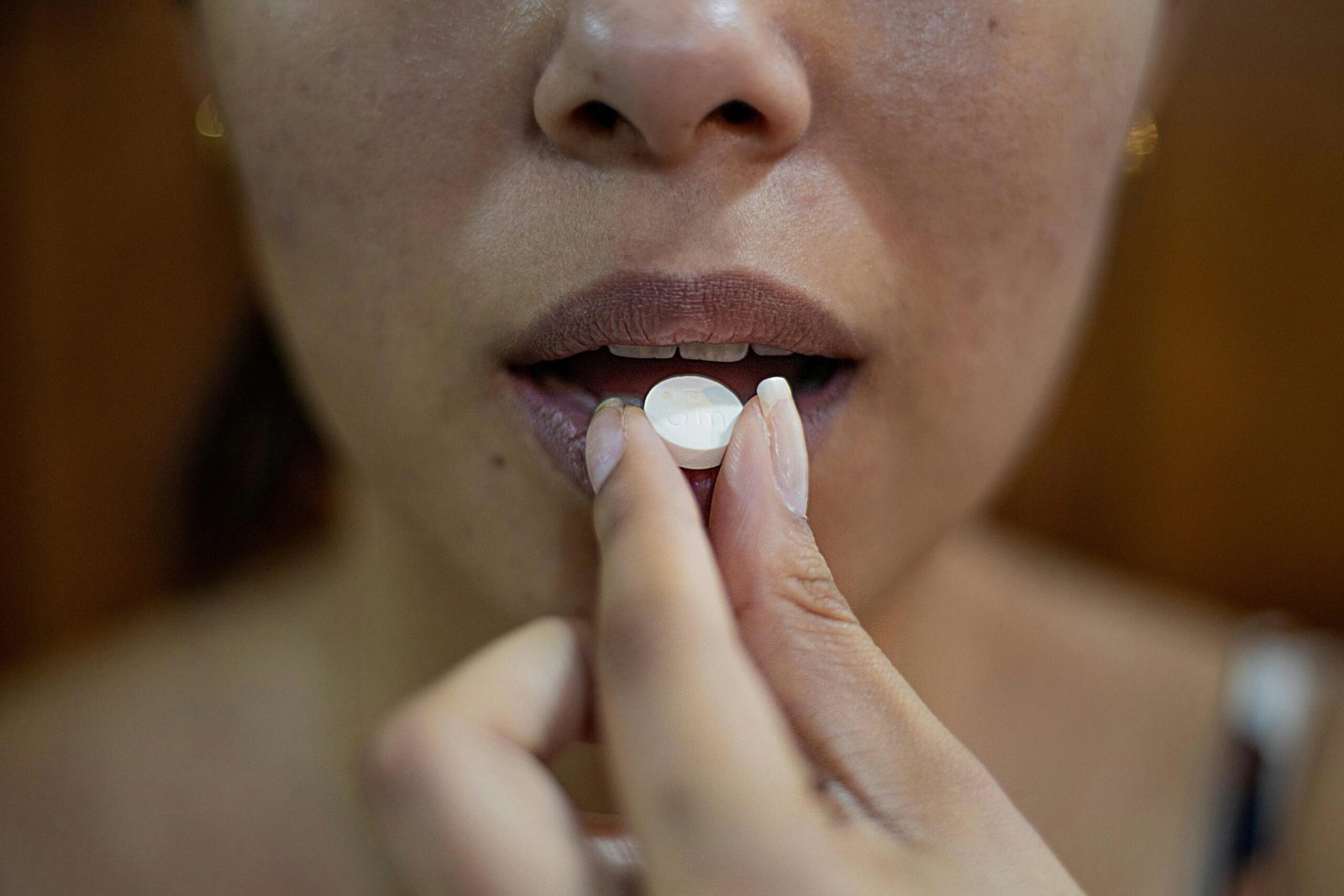
The telehealth abortion process begins with a patient connecting with a healthcare provider online or by phone. If the patient is eligible, the provider can prescribe two medications — mifepristone and another drug called misoprostol. Patients can pick up the medicine at a local pharmacy, or providers can mail the drugs to the patient’s home.
That access is a major reason why the number of abortions nationally has actually increased since the Supreme Court overturned the constitutional right to abortion in 2022. Now, most abortions in the U.S. use this combination of medications, and one-quarter happen via telemedicine.
After the 5th Circuit ruling on May 1, some providers said they would continue offering telemedicine access to abortion medication using a different protocol that involves higher doses of misoprostol without mifepristone. Researchers say that the method is just as safe and effective but tends to cause more side effects for patients, such as nausea and diarrhea.
Who Weighed In
Nearly two dozen Democratic-led states submitted an amicus brief, arguing that the appeals court decision put the policy choices of states with bans above the choices of states “that have made the different but equally sovereign determinations to promote access to abortion care.” A similar number of Republican-led states filed an amicus brief in support of Louisiana’s case.
The case also carries significant stakes for the power of the FDA and other expert agencies to set rules. While the Trump administration’s FDA did not respond to the Supreme Court’s request for briefs, a group of former FDA leaders — who served under mostly Democratic and some Republican presidents — defended the agency’s process in approving the medication and modifying the rules for prescribing it. They argued that the appeals court decision “would upend FDA’s gold-standard, science-based drug approval system.”
The drug industry’s trade group, PhRMA, also submitted an amicus brief urging the Supreme Court not to meddle with the FDA’s rules for mifepristone. The brief stated that drug makers “share a significant interest in protecting against disruptions to the stable and predictable statutory framework Congress created to govern” the FDA.
The FDA’s Conspicuous Silence
One notable twist in the case is that the FDA — the named defendant — filed no brief with the justices.
“The Trump administration quite clearly hasn’t known how to deal with this issue from the beginning and has been trying to essentially kick the can down the road, at least until after the midterm [election], to avoid either angering base voters or swing voters who don’t see eye to eye on what the administration’s abortion policy should be,” Mary Ziegler, a law professor at the University of California, Davis, told NPR.
She added, “I think the administration not doing anything is in some ways consistent with what we’ve seen so far, just because this is a tricky issue politically.”
This week, FDA Commissioner Dr. Marty Makary resigned under pressure from the White House. It is unclear whether this lawsuit played a role in his departure, but anti-abortion rights groups had been vocal about their displeasure with how little he did to restrict abortion in his role.
The Bottom Line
The Supreme Court ruled Thursday that the abortion pill Mifepristone can remain available via telehealth while a lawsuit from Louisiana proceeds through lower courts. The justices blocked a May 1 appeals court ruling that would have banned mailing the pill nationwide. Justices Alito and Thomas dissented, with Alito calling the order “unreasoned” and a “scheme” to undermine the Dobbs decision.
The FDA, the named defendant, filed no brief in the case. The agency’s commissioner resigned under pressure this week. Nearly two dozen Democratic-led states supported maintaining telehealth access, while a similar number of Republican-led states backed Louisiana’s restrictions.
For now, medication abortion access remains unchanged. But the legal battle is far from over.