Health officials have confirmed that two passengers evacuated from the cruise ship linked to a deadly hantavirus outbreak have tested positive for the virus as international efforts to repatriate those onboard continue.
According to authorities on Monday, one American passenger and a French woman were confirmed infected after leaving the Dutch-flagged vessel, MV Hondius.
French Health Minister Stephanie Rist said the French passenger, who was among five evacuees isolated in Paris, became ill shortly after arriving home.
“She started to feel unwell on Sunday night, and tests came back positive,” Rist stated.
US health authorities also revealed late Sunday that one American passenger had developed “mild symptoms,” while another tested positive for the Andes virus strain — the only known hantavirus variant capable of spreading between humans.
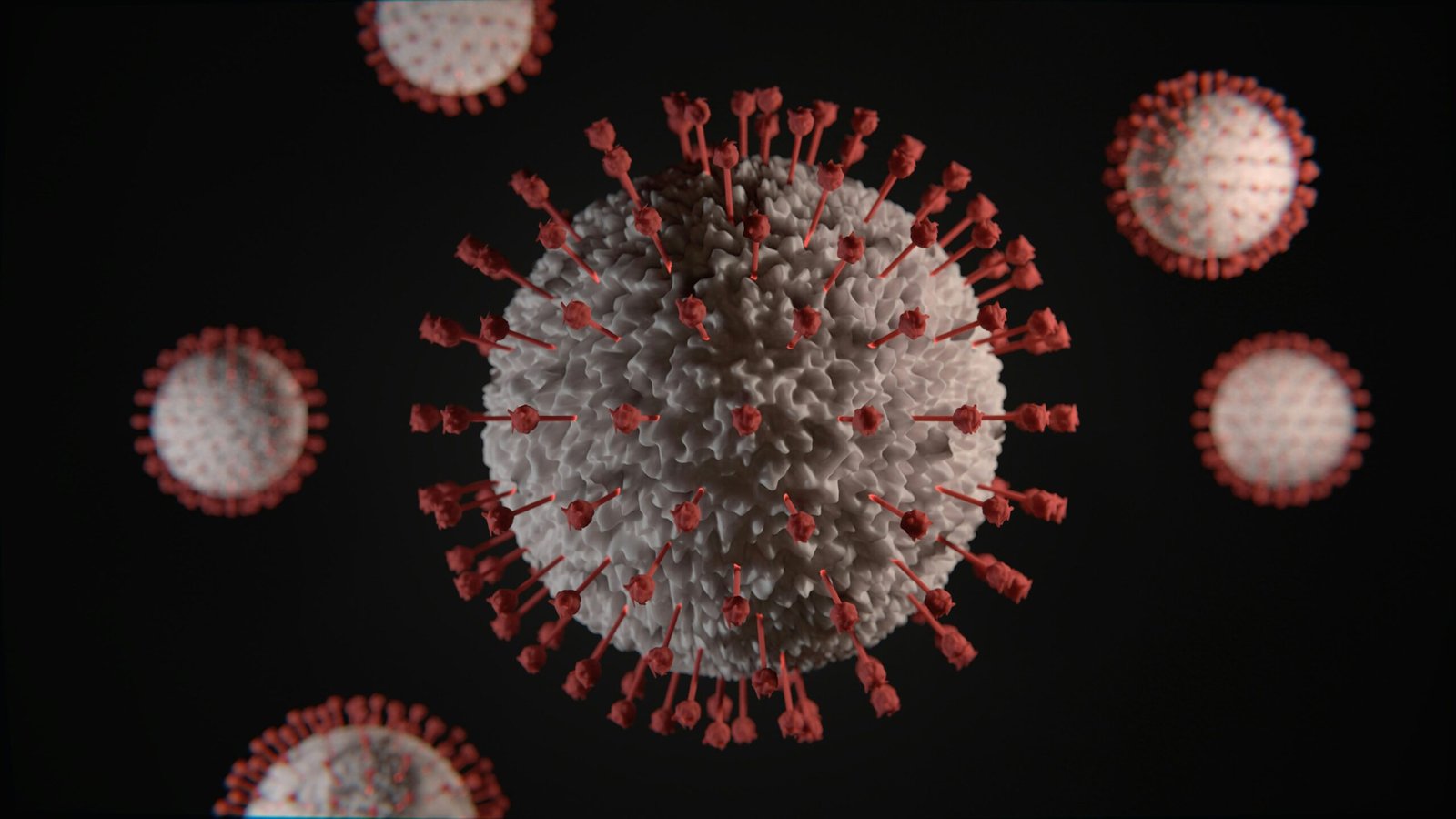
The outbreak has already claimed the lives of three passengers, including a Dutch couple and a German woman. Several others aboard the ship reportedly fell ill during the voyage.
Hantavirus is typically transmitted through contact with infected rodents and currently has no approved vaccine or specific treatment. The disease is endemic in parts of Argentina, where the cruise began in April.
Despite rising concern, health officials have stressed that the outbreak does not pose a major global threat and should not be compared to the COVID-19 pandemic.
French authorities disclosed that 22 additional contact cases are now being monitored, including passengers linked to flights between Saint Helena, Johannesburg and Amsterdam.
The Dutch woman who later died had reportedly travelled on one of the monitored flights before being removed from a connecting flight shortly before departure.
Meanwhile, Spain’s Health Minister Monica Garcia confirmed that 94 people from 19 countries were evacuated from the vessel on Sunday during a large-scale repatriation effort in Tenerife, Spain.
Officials said evacuation procedures for the remaining passengers and crew — representing 23 nationalities — would continue through Monday.
The MV Hondius is expected to depart for the Netherlands later Monday with around 30 crew members still onboard after refuelling.
Passengers wearing protective medical suits were seen disembarking in Tenerife as emergency teams coordinated the operation.
Authorities in the Canary Islands warned that worsening weather conditions could force the ship to leave by Monday, increasing pressure to complete the evacuation quickly.
The World Health Organisation has recommended a 42-day quarantine period and daily symptom monitoring for those exposed.
Maria Van Kerkhove, the WHO’s epidemic preparedness director, said exposed individuals should undergo “active follow-up”, including regular checks for symptoms such as fever.
Countries receiving evacuees have adopted varying quarantine measures. Greece announced a 45-day hospital isolation for one evacuee, while Australia plans to quarantine its six returning citizens for at least three weeks.
British officials said 20 UK nationals from the ship would undergo testing and about 72 hours of quarantine near Liverpool.
In the United States, however, quarantine measures may differ depending on each passenger’s level of exposure.
Passengers could return home “without exposing other people on the way,” said Jay Bhattacharya, acting director of the US Centres for Disease Control and Prevention.
WHO Director-General Tedros Adhanom Ghebreyesus, who travelled to Tenerife during the operation, warned that such an approach “may have risks.”
The Hondius departed Ushuaia, Argentina, on April 1 for an Atlantic voyage to Cape Verde. The WHO believes the first infection likely occurred before the cruise began, with subsequent transmission happening onboard.
However, Argentine health authorities have questioned whether the outbreak truly originated in Ushuaia, citing the virus’s incubation period and other uncertainties.