
Following an abrupt escalation in rhetoric and military action from the White House, energy markets reacted immediately. As a result, oil surged by 6% after Trump threatened new strikes on Iran.
Markets Tumble as Ceasefire Unravels
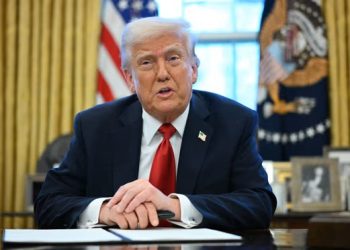
Speaking on Wednesday at the NATO (North Atlantic Treaty Organization) summit in Ankara, Turkey, U.S. President Donald Trump declared that the fragile month-old ceasefire with Tehran is officially “over.” The announcement followed a series of powerful U.S. military strikes targeting Iranian positions on Tuesday night, which Washington stated were direct retaliation for recent attacks on three commercial vessels traveling through the vital Strait of Hormuz supply route.
The immediate fallout in commodities and equities was swift. The international benchmark jumped 6.6%, climbing to $79.06 per barrel. U.S. crude futures popped 6.1%, trading at $74.71. The index tumbled more than 600 points, or 1.2%, shortly after the opening bell. Germany’s DAX and the French CAC 40 both plunged by more than 2% in daily trading.
Sector Winners and Losers
The sudden energy spike created an immediate divide across market sectors. While fossil fuel producers experienced a significant bump, consumer-facing industries and companies highly dependent on fuel transport suffered heavy losses.
”Renewed tensions in the Middle East have interrupted what had become an increasingly complacent market narrative,” noted Daniela Hathorn, senior market analyst at Capital.com. Markets had previously assumed the conflict would fade into the background, a calculation that now looks premature.
My Opinion
This sudden market whiplash exposes just how fragile the global economy remains to unilateral geopolitical decisions. For weeks, the market was operating under the comforting assumption that Middle Eastern supply chains were stabilizing and that the Federal Reserve could focus purely on domestic inflation. One afternoon of aggressive statements from a NATO summit completely wiped out that peace of mind.
The immediate 6% spike in crude oil proves that traders are still treating the Strait of Hormuz like some box, because it is. When the White House explicitly warns of incoming nighttime bombardments, energy markets have no choice but to price in a worst-case escalation scenario immediately. While major oil conglomerates like Chevron and Marathon will enjoy short-term windfalls from these inflated margins, the everyday consumer is about to feel the squeeze at the gas pump and the grocery store. If these strikes escalate into a prolonged maritime blockade, the resulting inflationary pressure could easily force the Federal Reserve’s hand into a new round of interest rate hikes, grinding economic growth to a halt.
Bottom Line
As the Federal Open Market Committee prepares to release its latest meeting minutes, investors are facing persistent domestic inflation and a reignited hot conflict abroad. The fact that Oil has surged to 6% after Trump threatened new strikes on Iran will inevitably complicate upcoming policy decisions for Federal Reserve Chairman Kevin Warsh.