
A change in consumer behavior reveals that a trade war drives 51% of Canadians away from U.S. goods, as ongoing cross-border tariff disputes and targeted import bans push shoppers toward domestic and international alternatives. New national polling from Abacus Data indicates that over half of Canadian consumers actively avoid buying American-made products whenever possible, a sharp rise from the 38% reported in early 2025. Broader long-term tracking shows that an overwhelming 77% of Canadians currently plan to purchase as few U.S. products as possible or avoid them entirely, marking a sustained wave of consumer resistance that has held firm for over a year and a half.
Tariff Escalations, Retaliatory Bans, and Cross-Border Friction
The widespread consumer backlash follows deepening economic disputes between the U.S. and Canada. Tensions escalated significantly after 50% tariffs imposed by President Donald Trump prompted Canadian Prime Minister Mark Carney to institute matching counter-tariffs. In response, the U.S. enacted an import ban targeting approximately $1 billion in Canadian goods, including dairy products, motorcycles, and alcoholic beverages. Prime Minister Carney emphasized that Canadian economic policy is shifting toward long-term independence, outlining an ambitious goal to double non-U.S. international commerce over the next decade through strengthened partnerships with the European Union, India, and China.
The trade conflict is also creating challenges for American consumers, particularly regarding healthcare expenses. An upcoming U.S. Customs and Border Protection rule suspending the $800 duty-free de minimis exemption threatens to disrupt access for an estimated 2.3 million Americans who rely on affordable prescription medications from Canadian mail-order pharmacies. Patient advocacy groups warn that new bond requirements, added administrative fees, and ongoing tariffs are inflating monthly out-of-pocket costs on essential treatments for chronic conditions like asthma and diabetes.
Supermarket Demands, Price Assumptions, and Retailing Hurdles
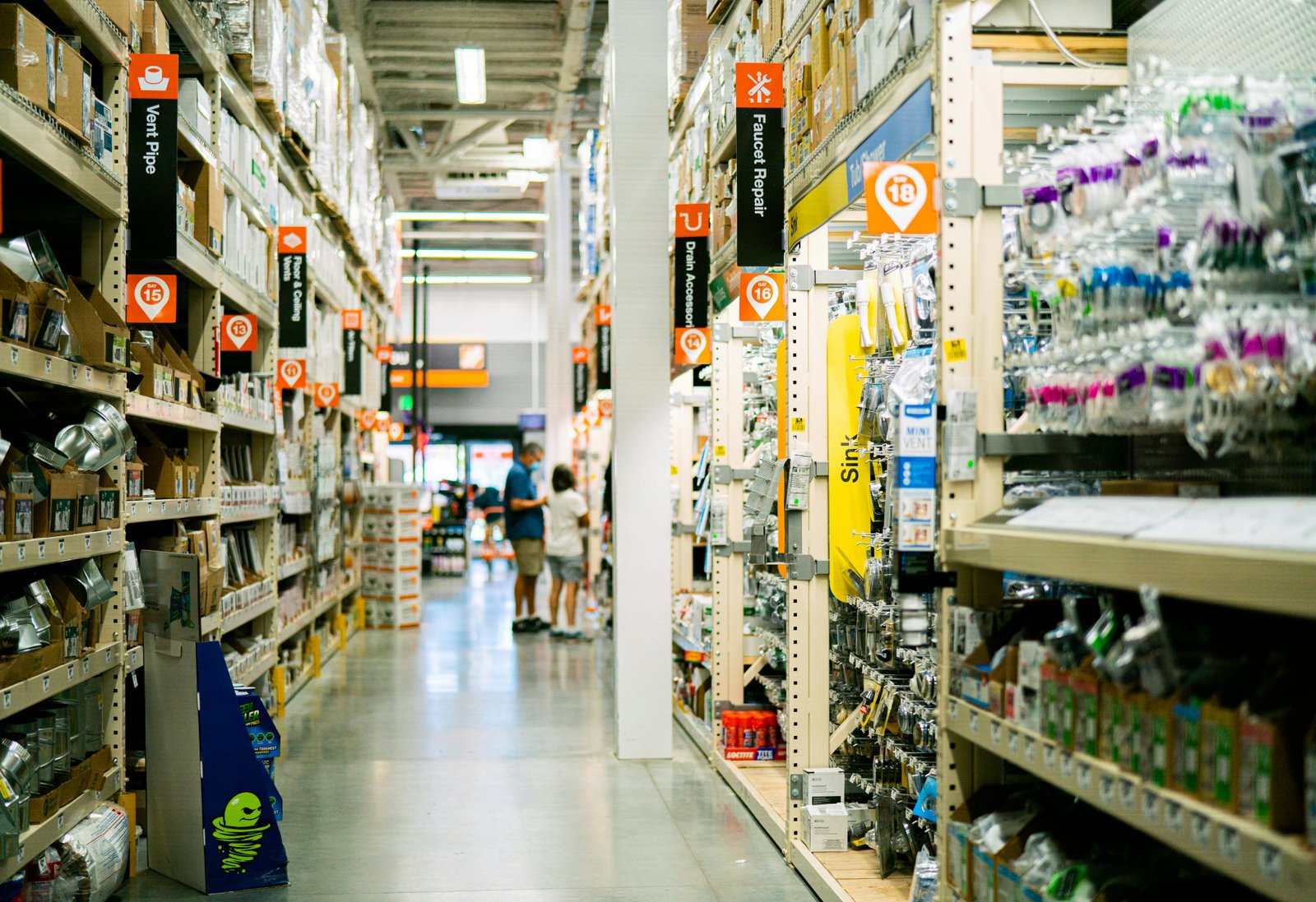
Within Canada, shifting consumer attitudes are putting direct pressure on major grocery chains and retail store management. The Abacus Data survey highlights that 70% of respondents want Canadian grocery stores to remove U.S. products from their shelves entirely. Additionally, 89% of shoppers are demanding clear shelf labeling to easily identify Canadian-made goods, while 87% want grocers to expand their inventory of non-U.S. alternatives.
Despite strong consumer motivation to support domestic businesses, operational hurdles remain. Approximately 61% of Canadian shoppers still assume that local alternatives carry higher price tags than comparable American brands. Furthermore, fewer than half of surveyed consumers feel confident identifying whether specific food and household brands are Canadian-owned without explicit packaging labels, underscoring the vital role clear retail transparency plays in shaping everyday buying habits.
My View
The data showing that a majority of Canadians are deliberately avoiding American products demonstrates how trade policy disputes can quickly influence everyday consumer choices.
While tariffs and trade barriers are often introduced as short-term negotiation tools between national governments, their real-world impact extends far beyond trade ministers and boardroom negotiations. When trade tensions persist over long periods, consumer frustration transforms into permanent buying habits. Shoppers adjust their routines, seek out alternative regional brands, and encourage domestic retailers to reshape their supply chains.
Rebuilding consumer trust and restoring established cross-border supply networks is far more difficult than imposing tariffs. As both nations navigate economic friction and rising household costs, finding practical diplomatic solutions remains essential to protecting consumers, stabilizing local businesses, and maintaining long-term regional trade stability.