
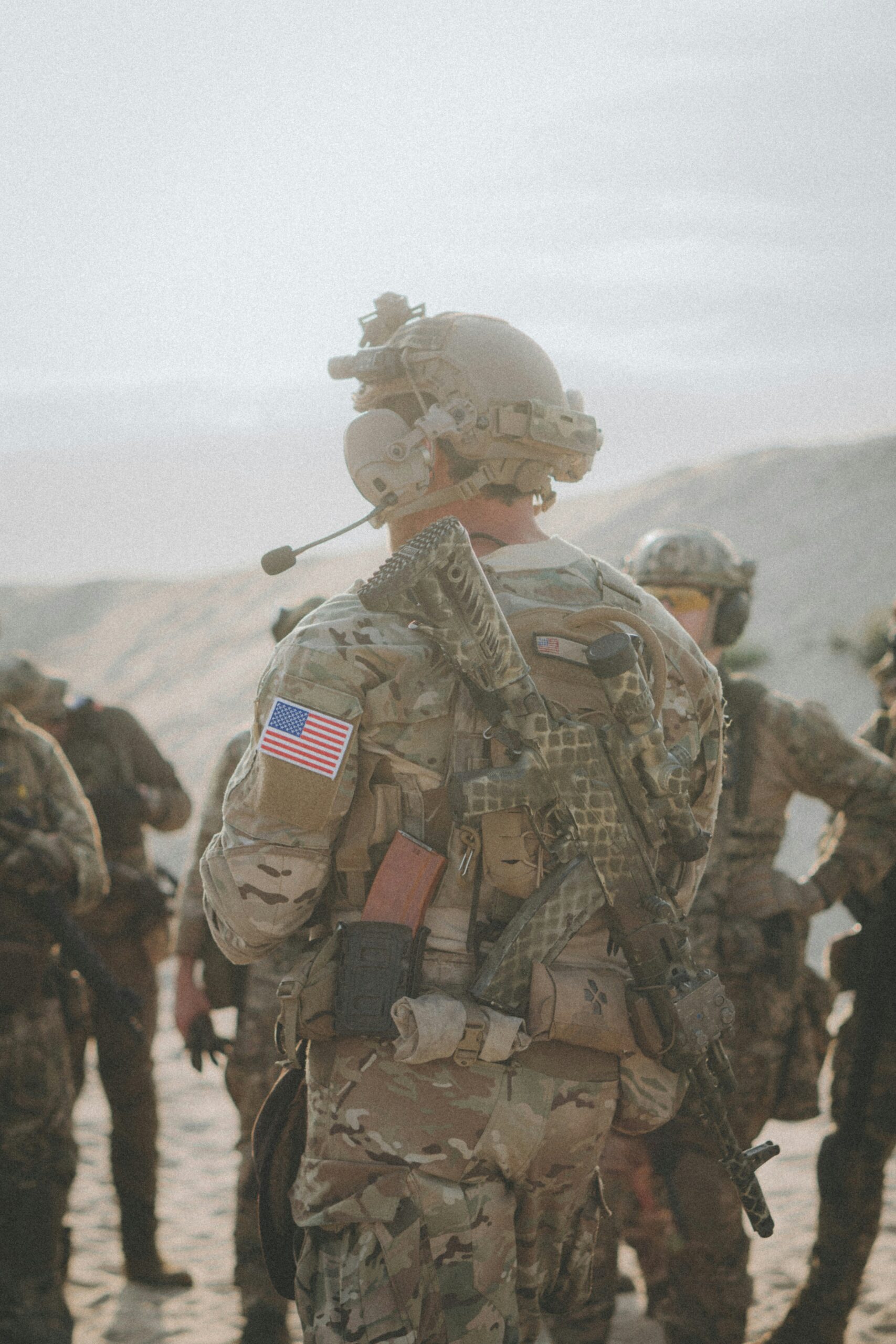
The Pentagon has issued “prepare-to-deploy” orders for up to 1,500 active-duty U.S. troops, standing ready to move into a major American city as President Donald Trump openly threatens to invoke the 1807 Insurrection Act against citizens protesting a violent federal immigration crackdown.
The potential deployment, involving Arctic-trained infantry from Alaska, represents an extraordinary escalation in a bitter standoff between the White House and Minnesota’s leaders, pushing the nation toward a historic and contentious use of military force against its own people.
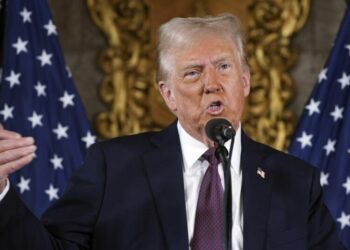
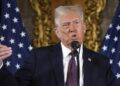
President Trump warned Thursday that he will “institute the INSURRECTION ACT” if state officials do not stop protesters from targeting Immigration and Customs Enforcement (ICE) agents. “I will quickly put an end to the travesty that is taking place in that once great State,” he wrote on Truth Social. This threat places a potential army of 1,500 soldiers, specialists in cold-weather operations from the 11th Airborne Division, on the precipice of a domestic mission without state consent, a “break-glass-in-case-of-emergency” tool that legal experts warn would be a “flagrant abuse” under current conditions.
A City Under Siege: The Spark That Ignited a Military Threat
The mobilization order comes after weeks of explosive tension in Minneapolis, triggered by the fatal shooting of Renee Good, a 37-year-old mother, U.S. citizen, and poet, by ICE agent Jonathan Ross on January 7. Good was in her SUV, which was partially blocking a street near her home and her son’s school, when Ross fired three shots as her vehicle began to move. The administration claims Ross acted in self-defense, but eyewitnesses, video analyses, and local leaders contend Good was turning away and posed no lethal threat.
Her death ignited nightly protests against the backdrop of “Operation Metro Surge,” the largest immigration enforcement operation in history, which has flooded the Twin Cities with approximately 3,000 federal ICE and Border Patrol agents. Clashes have grown increasingly tense, with another non-fatal shooting occurring on January 14 when an ICE agent shot a man in the leg during a struggle. Protesters, many of whom use whistles to alert neighbors to ICE raids, have been met with tear gas.
Local Leaders Push Back Against Federal ‘Overreach’
State and city officials have denounced the federal surge and the military threat as politically motivated overreach, accusing the administration of fabricating a crisis. “This is not who we are,” pleaded Governor Tim Walz. “I’m making a direct appeal to the President: Let’s turn the temperature down. Stop this campaign of retribution”. He has mobilized the Minnesota National Guard, not to support ICE, but to “protect life, preserve property, and ensure Minnesotans can safely exercise their First Amendment rights”.
Minneapolis Mayor Jacob Frey called the idea of sending active-duty troops “ridiculous” and “a shocking step,” arguing the city is safe and does not need more federal agents. “To those that are paying attention, you’ve got to understand how wild this is right now,” he said. In a stark display of the political battle, both Walz and Frey are now subjects of a Justice Department criminal investigation for allegedly impeding federal immigration operations.
The ‘Historic’ Move: Unleashing the Military on Main Street
Invoking the Insurrection Act would be a rare and radical step. Last used in 1992 during the Los Angeles riots, the Act allows the president to deploy the military for domestic law enforcement when civilian authorities are overwhelmed. Legal scholar Joseph Nunn argues its use now would be “unlike anything that’s ever happened before in the history of the country,” as civilian authorities in Minnesota are fully functional and explicitly oppose the deployment.
This threat fits a pattern of expanded domestic military use during Trump’s second term, which has included controversial National Guard deployments to Democratic-led cities like Los Angeles, Washington D.C., and Chicago, often facing legal challenges. Pentagon spokesperson Sean Parnell underscored the readiness, using the administration’s preferred term: “The Department of War is always prepared to execute the orders of the commander-in-chief if called upon”.
On the Brink: A Nation Watches and Waits
The standoff has transformed Minneapolis into a national flashpoint. Schools have announced virtual learning options due to safety concerns, and a recent pro-ICE rally by a pardoned January 6 rioter was drowned out by hundreds of counter-protesters. Polling suggests most Americans believe the shooting of Renee Good was unjustified and that Trump has overstepped his authority.
As 1,500 soldiers in Alaska await their orders, the question is no longer about immigration enforcement but about the fundamental relationship between the federal government and the states, and the limits of presidential power. The president has threatened a “historic” move. The troops are on standby. A city holds its breath, waiting to see if the American military will be ordered to turn its force against American citizens on American soil.