


Australia has just made a bold move: banning children under 16 from using social media. The law affects millions of teens, shutting down accounts on platforms like TikTok, Instagram, Snapchat, YouTube, and Facebook. For parents and child advocates, it’s a welcome step to curb the harms of online life. But for many young people, and even tech companies, it feels extreme, inconvenient, and possibly unenforceable.
Protecting kids or overstepping?
The Australian government says this ban is about mental health, safety, and online responsibility. Research shows that social media can expose children to bullying, misinformation, and unrealistic body images. For teens, constant comparison online can affect self-esteem, while addictive apps can take time away from schoolwork, sports, or hobbies.
Prime Minister Anthony Albanese called it a “profound reform” aimed at reshaping social culture and protecting young minds. Children under 16 are encouraged to take up other activities: reading, sports, or learning music. From a safety point of view, this seems reasonable—parents often worry about who their kids interact with online and what they see.
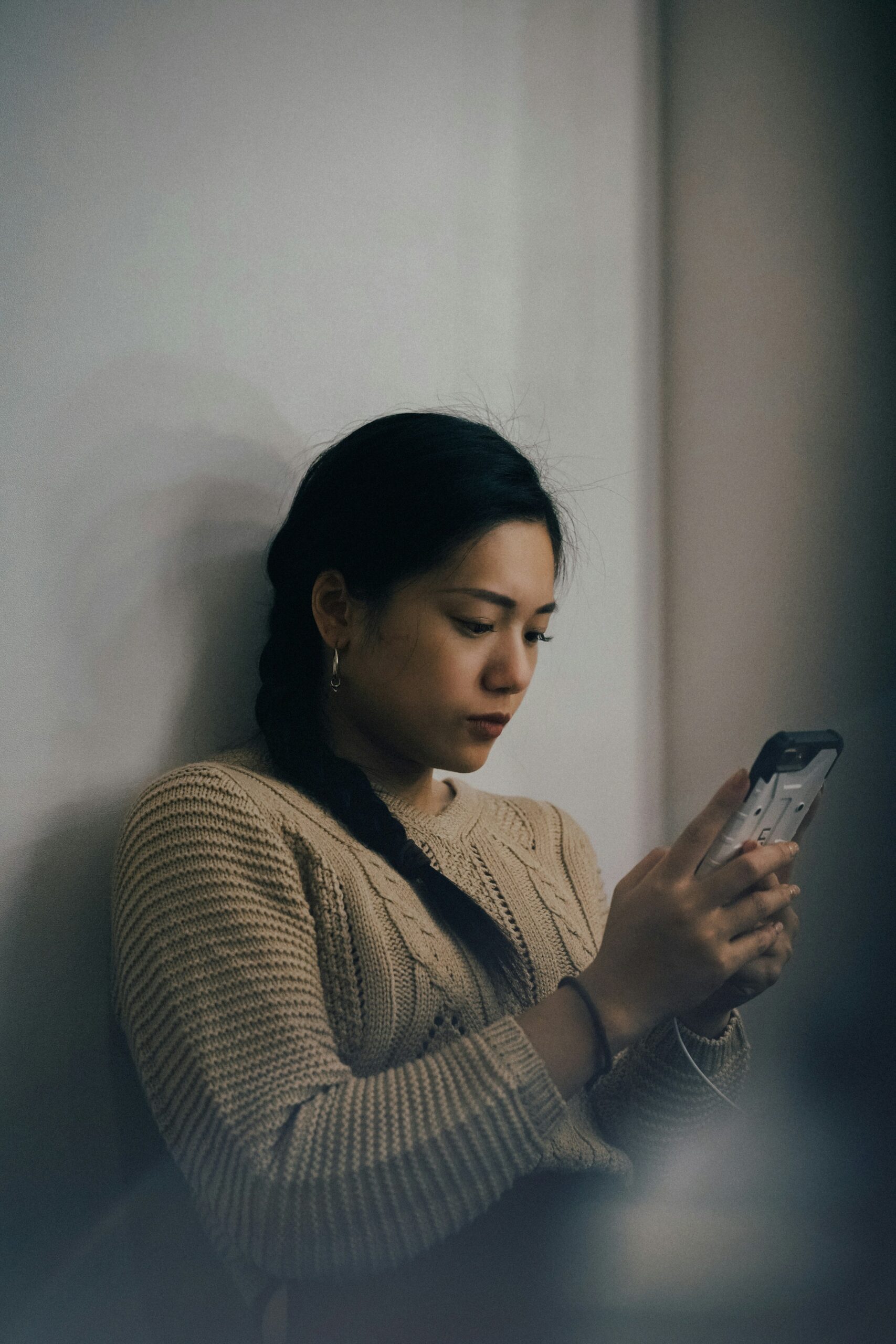
Will teens actually comply?
Many teens are already showing resistance. Some say they will find ways around the ban. Others are anxious about missing out on social interactions. In countries like Nigeria, where young people are extremely tech-savvy, enforcing a strict ban would be nearly impossible. Children here are already using social media to learn, communicate, and even make money through small online businesses. Blocking access might just push them underground to secret accounts or VPNs.
Lessons for Nigeria
Nigeria has seen its own share of teen troubles online. Beyond social media distraction, some teens have gotten involved in dangerous online schemes like “Yahoo Yahoo,” using digital platforms to scam people. Could a similar law work here? In theory, restricting social media access might reduce exposure to risky behaviour and cybercrimes. But in practice, Nigeria faces challenges: enforcement is weak, internet access is widespread, and parental supervision varies greatly. A blanket ban could be ignored by most.
One of the biggest debates is whether governments should control what kids see online. Some believe that freedom of expression is a fundamental right, and that children need to learn responsible internet use rather than be cut off completely. Social media also has benefits: learning, creativity, social connection, and even entrepreneurship. Completely removing access might stunt these opportunities, especially in a developing country where digital skills are vital.
What the world can learn
Australia’s approach is a bold experiment. Other countries, including the EU, Denmark, New Zealand, and Malaysia, are watching closely. Parents in America and Europe have expressed support, hoping their governments will take similar steps. The key takeaway is not necessarily to copy the law, but to start thinking seriously about online safety, education, and age-appropriate content.
For Nigeria, the solution might lie in moderation rather than prohibition. Schools could teach digital literacy, parents could supervise use more closely, and online platforms could enforce stricter age verification. Punishing teens for being online may backfire, but guiding them to use social media safely could prevent addiction, bullying, and engagement in illegal activities.
Social responsibility for platforms
Tech companies are in the spotlight. Many argued that the ban is difficult to enforce and may hurt profits. But it also forces platforms to consider their role in teen mental health and safety. In Nigeria, global platforms are widely used, and local tech startups are emerging. A cultural shift towards responsible platform use, combined with regulation and education, could be more effective than a hard ban.

Conclusion
Australia’s teen social media ban is historic, controversial, and likely to spark debate worldwide. While the aim, protecting young people, is commendable, practical enforcement, teen behaviour, and cultural context must be considered. For countries like Nigeria, the lesson is clear: online safety is critical, but banning access may not be the answer. Instead, investing in digital education, parental supervision, and stricter platform responsibility could protect teens without cutting them off from the opportunities social media provides.