• Home
  • News
  • Government
  • Business & Finance
  • Entertainment
  • Sports
  • Tech
  • Health
  • About Federal Character
  • Advertise With Us
Federal Character
No Result
View All Result
Federal Character
  • Home
  • News
  • Government
  • Business & Finance
  • Entertainment
  • Sports
  • Tech
  • Health
  • About Federal Character
  • Advertise With Us
No Result
View All Result
Federal Character
No Result
View All Result
Home Government
Australia Blocks Teens From Social Media – Should the World Follow?

Australia Blocks Teens From Social Media – Should the World Follow?

Eriki Joan UgunushebyEriki Joan Ugunushe
8 months ago
in Government
Reading Time: 3 mins read
A A
0
Facebook ShareWhatsapp ShareX Share

Australia has just made a bold move: banning children under 16 from using social media. The law affects millions of teens, shutting down accounts on platforms like TikTok, Instagram, Snapchat, YouTube, and Facebook. For parents and child advocates, it’s a welcome step to curb the harms of online life. But for many young people, and even tech companies, it feels extreme, inconvenient, and possibly unenforceable.

Table of Contents

Toggle
  • Protecting kids or overstepping?
  • Will teens actually comply?
  • Lessons for Nigeria
  • What the world can learn
  • Social responsibility for platforms
  • Conclusion

Protecting kids or overstepping?

The Australian government says this ban is about mental health, safety, and online responsibility. Research shows that social media can expose children to bullying, misinformation, and unrealistic body images. For teens, constant comparison online can affect self-esteem, while addictive apps can take time away from schoolwork, sports, or hobbies.

Prime Minister Anthony Albanese called it a “profound reform” aimed at reshaping social culture and protecting young minds. Children under 16 are encouraged to take up other activities: reading, sports, or learning music. From a safety point of view, this seems reasonable—parents often worry about who their kids interact with online and what they see.
Australia Blocks Teens From Social Media – Should the World Follow?

Will teens actually comply?

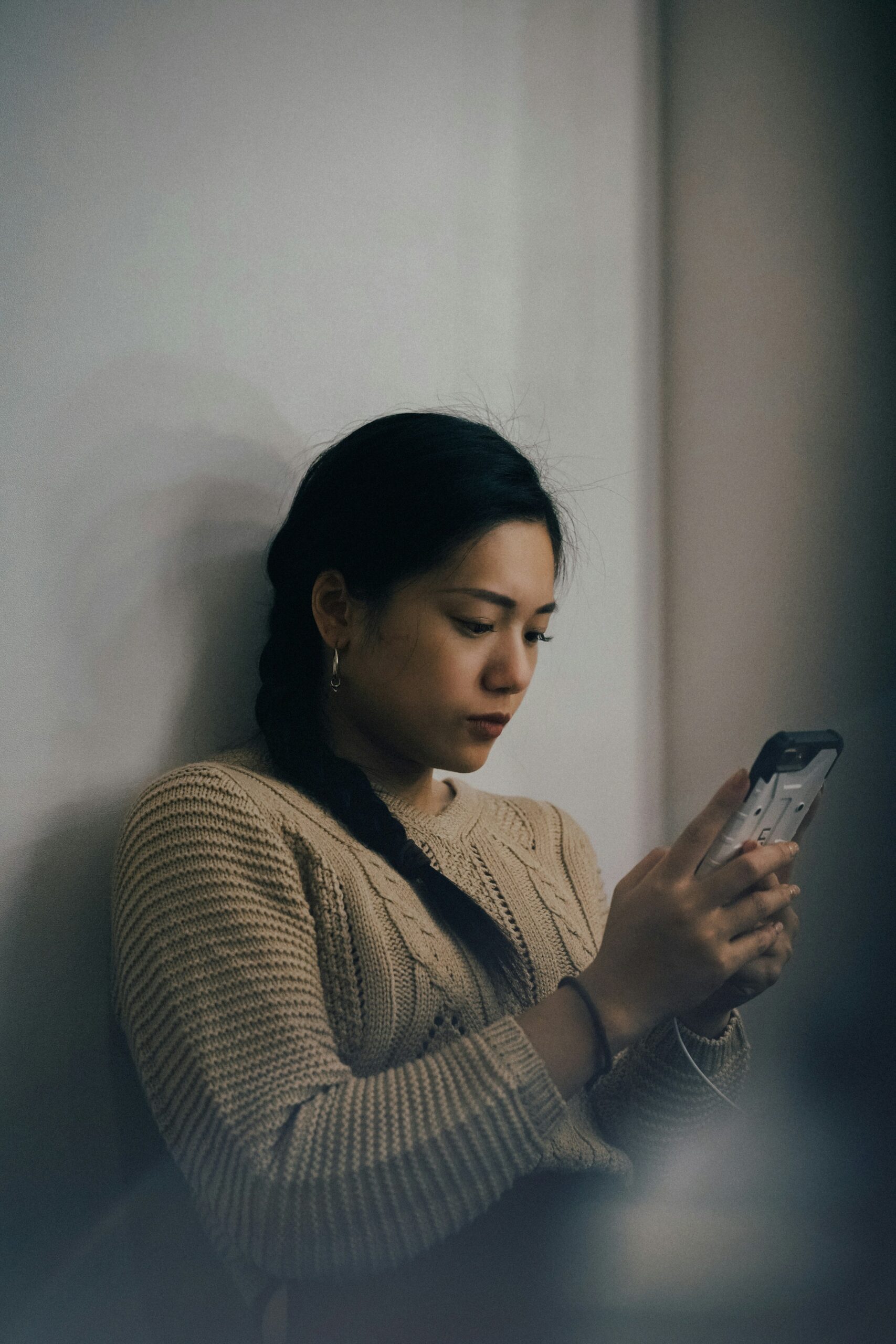
Many teens are already showing resistance. Some say they will find ways around the ban. Others are anxious about missing out on social interactions. In countries like Nigeria, where young people are extremely tech-savvy, enforcing a strict ban would be nearly impossible. Children here are already using social media to learn, communicate, and even make money through small online businesses. Blocking access might just push them underground to secret accounts or VPNs.

Lessons for Nigeria

Nigeria has seen its own share of teen troubles online. Beyond social media distraction, some teens have gotten involved in dangerous online schemes like “Yahoo Yahoo,” using digital platforms to scam people. Could a similar law work here? In theory, restricting social media access might reduce exposure to risky behaviour and cybercrimes. But in practice, Nigeria faces challenges: enforcement is weak, internet access is widespread, and parental supervision varies greatly. A blanket ban could be ignored by most.

One of the biggest debates is whether governments should control what kids see online. Some believe that freedom of expression is a fundamental right, and that children need to learn responsible internet use rather than be cut off completely. Social media also has benefits: learning, creativity, social connection, and even entrepreneurship. Completely removing access might stunt these opportunities, especially in a developing country where digital skills are vital.

What the world can learn

Australia’s approach is a bold experiment. Other countries, including the EU, Denmark, New Zealand, and Malaysia, are watching closely. Parents in America and Europe have expressed support, hoping their governments will take similar steps. The key takeaway is not necessarily to copy the law, but to start thinking seriously about online safety, education, and age-appropriate content.

For Nigeria, the solution might lie in moderation rather than prohibition. Schools could teach digital literacy, parents could supervise use more closely, and online platforms could enforce stricter age verification. Punishing teens for being online may backfire, but guiding them to use social media safely could prevent addiction, bullying, and engagement in illegal activities.

Social responsibility for platforms

Tech companies are in the spotlight. Many argued that the ban is difficult to enforce and may hurt profits. But it also forces platforms to consider their role in teen mental health and safety. In Nigeria, global platforms are widely used, and local tech startups are emerging. A cultural shift towards responsible platform use, combined with regulation and education, could be more effective than a hard ban.
Australia Blocks Teens From Social Media – Should the World Follow?

Conclusion

Australia’s teen social media ban is historic, controversial, and likely to spark debate worldwide. While the aim, protecting young people, is commendable, practical enforcement, teen behaviour, and cultural context must be considered. For countries like Nigeria, the lesson is clear: online safety is critical, but banning access may not be the answer. Instead, investing in digital education, parental supervision, and stricter platform responsibility could protect teens without cutting them off from the opportunities social media provides.
Tags: australiafederal charactergovernmentsocial mediateens
Share234SendTweet146
Eriki Joan Ugunushe

Eriki Joan Ugunushe

Eriki Joan Ugunushe is a dedicated news writer and an aspiring entertainment and media lawyer. Graduated from the University of Ibadan, she combines her legal acumen with a passion for writing to craft compelling news stories.Eriki's commitment to effective communication shines through her participation in the Jobberman soft skills training, where she honed her abilities to overcome communication barriers, embrace the email culture, and provide and receive constructive feedback. She has also nurtured her creativity skills, understanding how creativity fosters critical thinking—a valuable asset in both writing and law.

Related Stories

​Ex-NASA Astronauts Launch Nonpartisan Voting Campaign

​Ex-NASA Astronauts Launch Nonpartisan Voting Campaign

byEriki Joan Ugunushe
0

​More than 100 retired NASA space explorers have united to launch the Astronauts for America nonpartisan voting campaign. Formed during the 2026 U.S. semiquincentennial year, the new advocacy...

​Trump Administration Speeds Up Mass Deportation Cases

​Trump Administration Speeds Up Mass Deportation Cases

byEriki Joan Ugunushe
0

​Federal courts across the United States are using accelerated scheduling and mass hearings to wrap up mass deportation cases at record speed. Recent court data shows that immigration...

​Venezuelan Informant Claims US Broke Promises After Exposing $1.2B Oil Fraud

​Venezuelan Informant Claims US Broke Promises After Exposing $1.2B Oil Fraud

byEriki Joan Ugunushe
0

​When a corporate lawyer risks his life to expose corruption inside a state oil company, he expects the government backing him to honor its word. Instead, former banking...

Ghana Evacuates Another 1,000 Citizens As South Africa Warns Against Door-To-Door Checks

Ghana Evacuates Another 1,000 Citizens As South Africa Warns Against Door-To-Door Checks

byAyobami Owolabi
0

The Ghanaian government has begun another phase of evacuating its citizens from South Africa, with about 1,000 nationals expected to arrive in Accra on Sunday and Monday amid...

Next Post

Why Order Execution Is Everything — Practical Lessons for Sterling Trader Pro Users

Leave a Reply Cancel reply

Your email address will not be published. Required fields are marked *

Federal Character

We bring to you precise and factual news.
Towson, Baltimore, Maryland, USA

Recent Posts

  • ​Ex-NASA Astronauts Launch Nonpartisan Voting Campaign
  • ​Trump Administration Speeds Up Mass Deportation Cases
  • ​Venezuelan Informant Claims US Broke Promises After Exposing $1.2B Oil Fraud

Categories

  • Beauty
  • Business & Finance
  • Entertainment
  • Fashion & Lifestyle
  • Food & Nutrition
  • Government
  • Health
  • News
  • Politics
  • Sports
  • Tech

Weekly Newsletter

  • Home
  • About Federal Character
  • Advertise With Us
  • Cookie Policy
  • Sitemap

Copyright © FederalCharacter.com 2026 .

Welcome Back!

Login to your account below

Forgotten Password?

Retrieve your password

Please enter your username or email address to reset your password.

Log In
No Result
View All Result
  • Home
  • News
  • Government
  • Business & Finance
  • Entertainment
  • Sports
  • Tech
  • Health
  • About Federal Character
  • Advertise With Us

Copyright © FederalCharacter.com 2026 .