
It started with a casual observation while re-watching The Summer I Turned Pretty. There was Belly Conklin (played by Lola Tung), a character beloved for her relatable charm. Yet, episode after episode, her wardrobe left me puzzled. Stylists repeatedly dressed her in stiff, high-waisted jeans that, instead of flattering her athletic, straight-up-and-down figure, often rendered her torso oddly boxy. The jeans created a harsh horizontal line that seemed to wall off her midsection, visually erasing any hint of a natural waist.
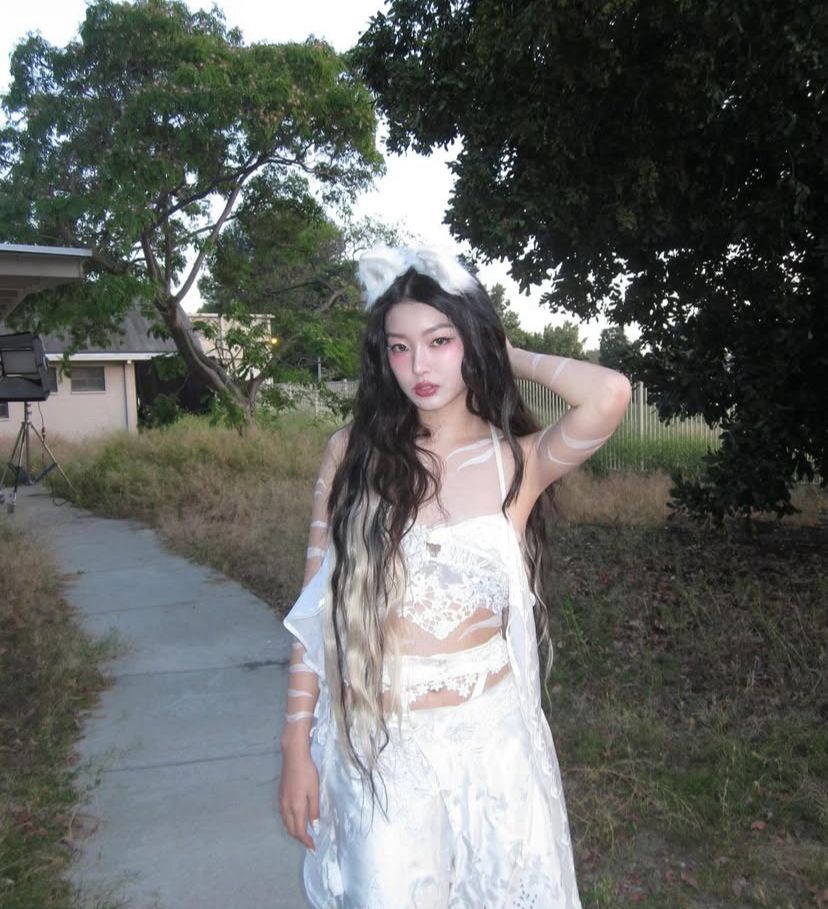
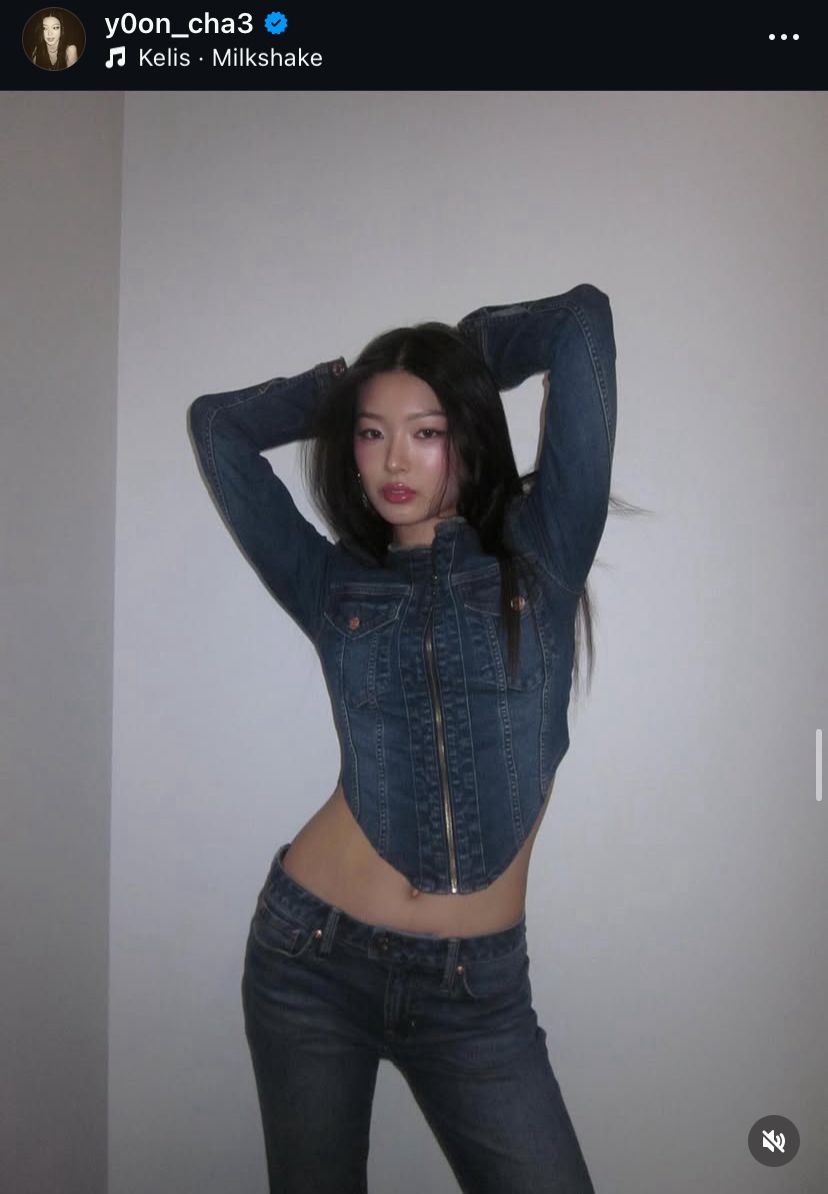
On the other hand, KATSEYE’s Yoonchae was mastering a distinctly different style strategy. In performance after performance, she gravitated towards tops with inverted triangle necklines—deep V-necks, wide scoops, and off-the-shoulder cuts. The effect was undeniable: these shapes drew the eye inward, instantly creating a slimming vertical line and the beautiful illusion of a defined waist.
These two pop-culture moments reveal a universal style conundrum and its brilliant solution. Both Belly and Yoonchae exemplify the rectangular body type (often called an athletic or “banana” shape), characterized by balanced shoulders, waist, and hip measurements with minimal natural curve. The styling mission for this shape isn’t about concealing it—it’s about using the architecture of clothing to create the definition, curves, and dynamism that high fashion so often celebrates. Let’s decode their looks to build your foolproof style guide.
Rethinking the High-Waisted Fashion in TSITP (The Summer I Turned Pretty)
The high-waisted jean is a staple of this millennium, frequently praised as universally flattering. But for the rectangular figure, it’s a trickier proposition. The issue, as seen on Belly, arises when a stiff, high-rise waistband meets a straight-leg cut. This combination acts like a visual blocker, emphasizing the lack of indentation and adding equal volume all the way down, resulting in that unflattering boxy silhouette.
The fix? It’s all in the strategic cut and clever pairing.
First, reconsider the rise. A true mid-rise jean—one that sits just below the natural waist—can be a revelation. It avoids shortening the torso and hits at a more forgiving point. Next, focus on the leg. Bootcut and flare jeans are your secret weapons. By skimming the thigh and flaring out from the knee, they create the visual impression of curvier hips, instantly balancing the shoulder line and making the waist appear narrower by comparison. Opt for styles with a hint of stretch to hug the body without constriction.
Finally, master the art of the half-tuck. Instead of a full tuck that emphasizes the straight seam, casually tuck just the front of your top into the waistband. This creates soft, diagonal fabric folds that break up the torso, introduce movement, and gently whisper “waist here,” rather than shouting it.
Yoonchae’s Top Strategy and How It Creates Curves from the Collarbone Down
This is where Yoonchae’s stylist’s instinct is truly on point. The goal is to draw the eye on a journey that narrows and defines the midsection.
As Yoonchae has shown us, Inverted triangle necklines are the way to go. Also, consider deep V-necks, wide scoop necks, and sweetheart necklines pull the gaze inward and downward, creating a slimming effect that guides the eye directly to the center. Off-the-shoulder and boatneck tops also work wonders by exposing the collarbones and breaking the shoulder line in a soft, appealing horizontal curve.
Beyond necklines, seek structure and detail at the waist. A peplum top, with its short flared ruffle, is a literal curve-crafting tool that instantly adds volume just below the waist. Look for tops with side ruching, gathering, or draping across the midsection, as these techniques use fabric to create the illusion of shape and movement. And never underestimate the power of a bold belt cinched over a dress, blazer, or tunic; it’s the most direct way to carve out a waistline.
What should you set aside? Stay away from boxy crop tops that end at the waist and add volume all around, or shapeless straight-cut tunics that hang without definition.
Mastering Dresses For The Rectangular Body
The undisputed champion for the rectangular shape is the fit-and-flare dress. It executes the entire mission in one garment: it fits snugly through the bodice, defines the smallest part of your ribcage, and then flows away in a beautiful skirt that creates the perfect hourglass illusion. A-line skirts and dresses operate on the exact same benevolent principle.
For a powerful, modern look, employ layered contrasting volumes. Pair a highly fitted top (like a sleek turtleneck) with full, wide-leg trousers, or match a tailored blazer with a flowing midi skirt. This “tight-loose” contrast naturally creates desirable shape and visual interest. The goal is simple: avoid head-to-toe volume (which can overwhelm your figure) or head-to-toe cling (which can look sterile).
Bottom Line
The lessons from Belly’s occasional style misstep and Yoonchae’s consistent success are not about fashion flaws, but about fashion fluency. Belly’s wardrobe shows that even professional stylists can miss the mark when applying a universal trend without adjustment. Yoonchae’s style success, on the other hand, proves that with a strategic understanding of shape and line, you can command any stage.
Dressing a rectangular body type, or any body type for that matter, is an art. It’s about choosing pieces that work for you: jeans that curve, tops that carve, and dresses that celebrate. Forget the term “flattering” and think along the lines of “defining.” Your silhouette is a blank canvas, and with these tools, you are the artist. Now, look at your closet—and your favorite shows—with this new, empowered eye.