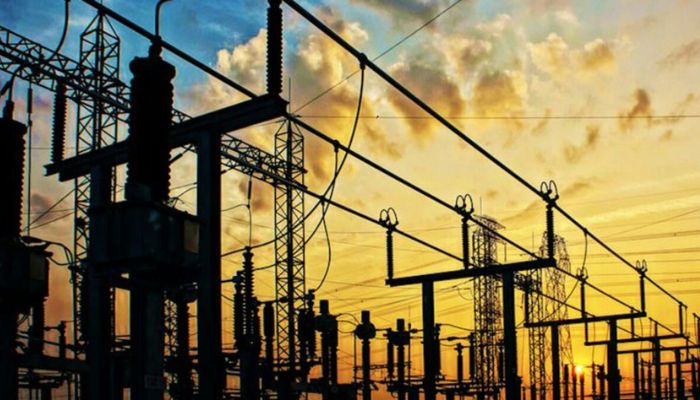
Darkness spread across the country on Monday after another national blackout, a situation many Nigerians now sadly expect whenever the power system crashes again. What happened this time is not just about light going off; it is about a power structure that keeps failing ordinary people.
What Actually Happened
On Monday afternoon, electricity suddenly dropped in many parts of Nigeria. Distribution companies later confirmed that the national system had suffered a major disturbance. By midday, power supply across most states was close to zero.
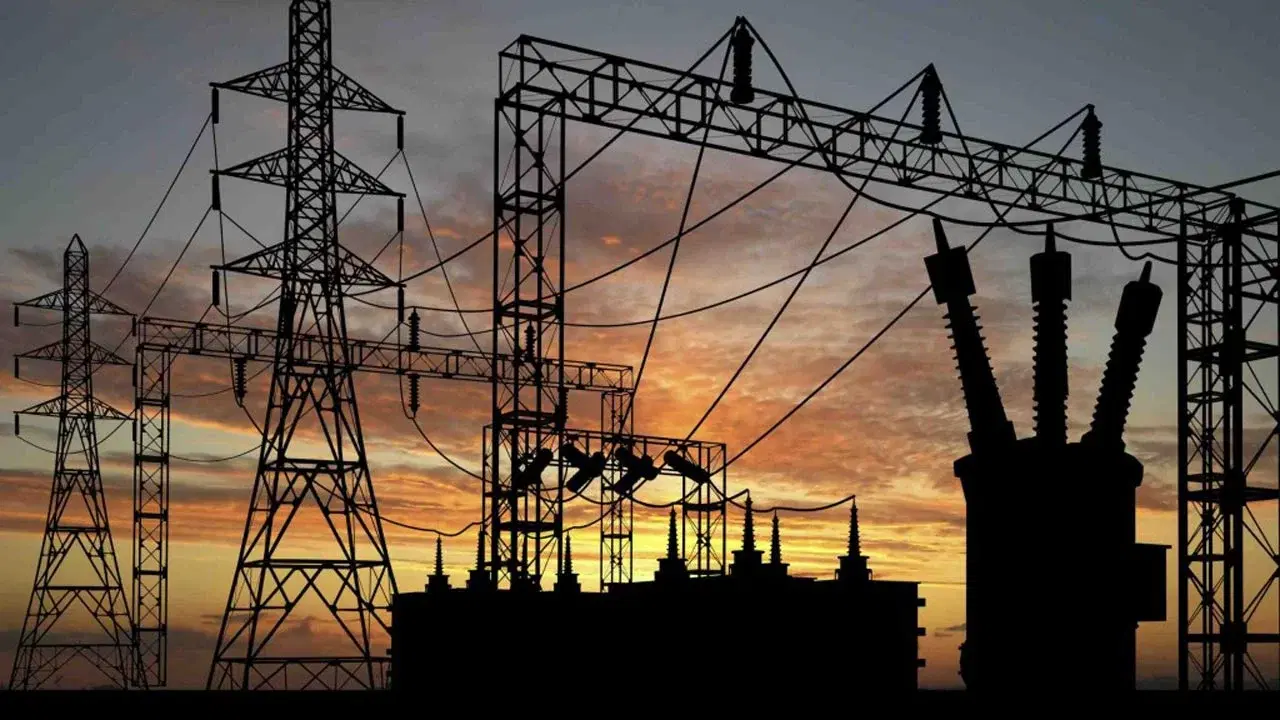
Only a few areas were receiving small amounts of electricity, while many major cities had none at all. This means homes, offices, hospitals, and small businesses were thrown back into darkness within minutes.
The Familiar Pattern
This kind of failure is no longer shocking. Nigerians have seen this story many times. The grid goes down, discos issue short notices, and people are told to wait for restoration. Nothing about it feels new.
Each collapse shows the same problem: a system that cannot carry the load of a modern country. How long can a nation of over 200 million people depend on a power network that breaks so easily?
The Real Cost of Blackout
When power fails nationwide, the damage goes beyond inconvenience. Small businesses lose money. Fuel costs rise as generators come on. Students struggle to study. Hospitals rely more on diesel. Families spend more just to survive the day.
For many Nigerians, stable electricity is not luxury; it is survival. So when the grid goes down again, people do not just complain; they worry.
Over the years, governments have promised reforms, investments, and better management of electricity. Yet, collapses keep happening. This shows that the problem is deeper than words and press statements.
Until serious action is taken, these failures will continue. The grid cannot keep running on old systems while demand keeps rising.
Why People Are Angry
The frustration is real because Nigerians are paying for darkness. Bills keep coming even when power is not stable. Many people feel trapped, paying for electricity they barely enjoy and fuel they cannot avoid.
This anger is not political; it is basic. People want light. People want value for what they pay.
Nigeria needs long-term thinking, not emergency fixes. Power generation, transmission, and distribution must all work together. Anything less will keep the country stuck in this cycle. A national blackout should never feel normal. Yet today, it does.
Final Thoughts
What happened again shows why darkness returning through a nationwide grid failure is now a painful symbol of broken systems. Until the power sector is fixed properly, Nigerians will keep living between hope and generators, and that is not how a country should function.