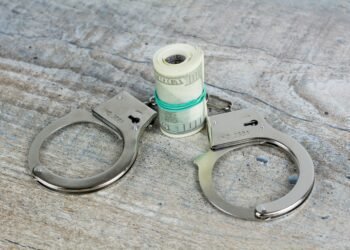
Four companies control 85 percent of America’s beef processing market. Now, the Justice Department is asking whether they have been cheating consumers and crushing ranchers to get there.
The DOJ has intensified its antitrust investigation into JBS, Cargill, Tyson Foods, and National Beef — the four giants that dominate the industry. The probe is focusing on potential collusion, abuse of market power, and whether foreign ownership of some of these firms poses a risk to U.S. food security.
At the same time, consumers are feeling the pain at the grocery store. Ground beef prices are hovering near $7 per pound. The nation’s cattle herd has shrunk to 27.6 million head, and the number of independent cattle farmers has dropped by 17 percent.
That is where the political firestorm begins.
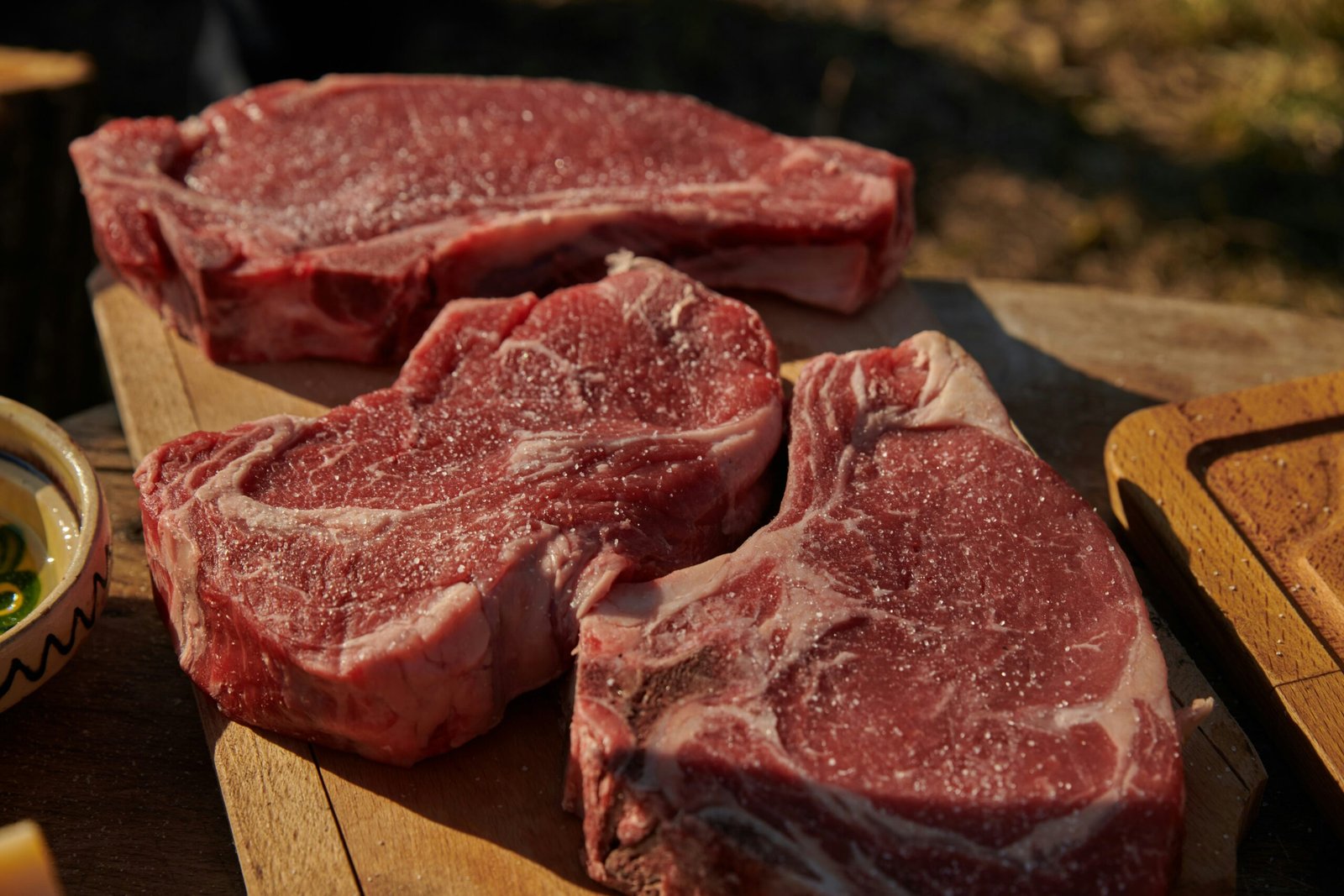
Agriculture Secretary Brooke Rollins has publicly blamed “Biden-era policies” for the steep decline in cattle numbers and the exodus of producers. But critics were quick to point out the obvious: President Biden left office in January 2025. As of today, that is approximately 469 days ago — just over a year and three months.
“This isn’t a ‘Biden-era’ problem,” one industry analyst posted on X in response to the news. “It’s a decades-in-the-making consolidation problem that both parties ignored.”
Others were more blunt. “Blaming Biden for the cattle crisis 469 days after he left office is wild,” read a popular reply to the DOJ announcement. Another user wrote, “The math isn’t mathing. These beef prices and rancher losses didn’t appear overnight. They’ve been building for 20 years.”
The backlash highlights a growing fatigue with Washington’s habit of pinning complex, long-developing crises on the most recent political scapegoat. The consolidation of the meatpacking industry has been underway for decades. The decline in independent ranchers has been measured over generations, not election cycles. And beef prices have been volatile for years, driven by drought, supply chain shocks, and now inflation.
Yet, the DOJ’s investigation is moving forward. Officials have promised to introduce more competition into the industry to bring down prices. The probe builds on previous scrutiny of the meat sector, but has drawn both praise and pushback from across the political aisle. Some have pointed to successful state-level reforms, like expanding in-state meat sales, as a more practical path forward.
For now, the four companies are in the government’s crosshairs. And American families waiting for relief at the meat counter are watching to see if the probe delivers more than headlines — and whether Washington can stop blaming ghosts long enough to fix the actual problem.