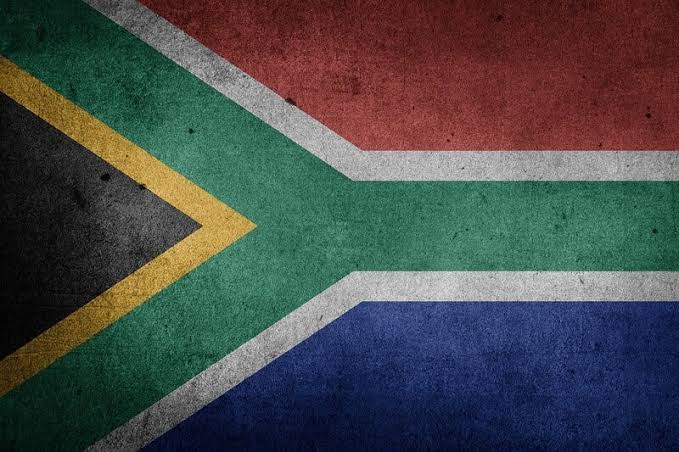

Since South Africa’s formation of its unity coalition government in June, following the African National Congress (ANC) failure to win a majority in the most recent election, political observers have closely watched its progress. The coalition, comprising multiple opposition parties, is being tested not only by its diverse ideologies but also by South Africa’s long-standing political system.
After three decades of uninterrupted ANC rule, the mechanisms that support coalition governments have become rusty. The success or failure of this new coalition may determine whether South Africa sees more coalition governments in the future.
A Moment of Calm Before the Storm
For the most part, government operations have been relatively smooth—until recently. President Cyril Ramaphosa’s signing of a contentious educational reform bill into law has sparked significant discontent within the coalition. Ramaphosa’s coalition includes 10 parties, but the Democratic Alliance (DA) stands out as the most powerful party after the ANC. The DA, a bitter rival of the ANC, has opposed the ruling party’s policies for over 30 years, and their differences have become evident once again with the passing of this educational bill.
The Controversial Educational Reform
The DA, long known for representing South Africa’s white minority, has strongly opposed the bill, particularly because it affects “constitutional rights to learn in their mother tongue.” The bill was initially passed by an ANC-majority parliament before the party lost control. It includes four key educational reforms:
1. Regulation of School Admissions: The government will now regulate admissions and the language of instruction in schools.
2. Homeschooling Oversight: The bill grants the government regulatory control over homeschooling practices.
3. Grade R Compulsory Enrollment: Four- and five-year-olds must now enroll in Grade R, starting school a year earlier than before.
4. Abolition of Corporal Punishment: The bill formally ends corporal punishment in schools.
President Ramaphosa views these changes as pivotal for improving South Africa’s education system, which has historically deprived many children—especially black South Africans—of quality education due to language barriers. By eliminating linguistic segregation, the president hopes to increase access to education for all children. However, the DA and the white minority are primarily concerned about the elimination of Afrikaans, the native language of South Africa’s white minority, as a language of instruction. They fear this could diminish their cultural heritage and identity in schools. While the bill seeks to bridge the racial gap in South African education, it could eliminate the privilege that well-equipped, previously white-dominated schools have long enjoyed.
The Coalition Under Pressure
John Steenhuisen, leader of the DA, described the bill as a “threat” to the coalition’s founding principles. “If this is just a delaying tactic to defuse opposition before implementing the clauses at a later point, then we will continue to fight this bill with everything we have, including in the courts,” he stated.
Although both Ramaphosa and Steenhuisen have publicly downplayed the law’s potential impact on government stability, the coming months will reveal whether their claims hold true. With core beliefs and ideologies at stake, the durability of South Africa’s coalition government will be put to the test.
Bottom Line
South Africa’s coalition government is navigating a challenging political landscape as it balances conflicting ideologies. The passage of the educational reform bill is a critical moment that could either unite or divide the coalition further. As tensions rise, the stability of this new government hangs in the balance, and its success could shape South Africa’s political future.