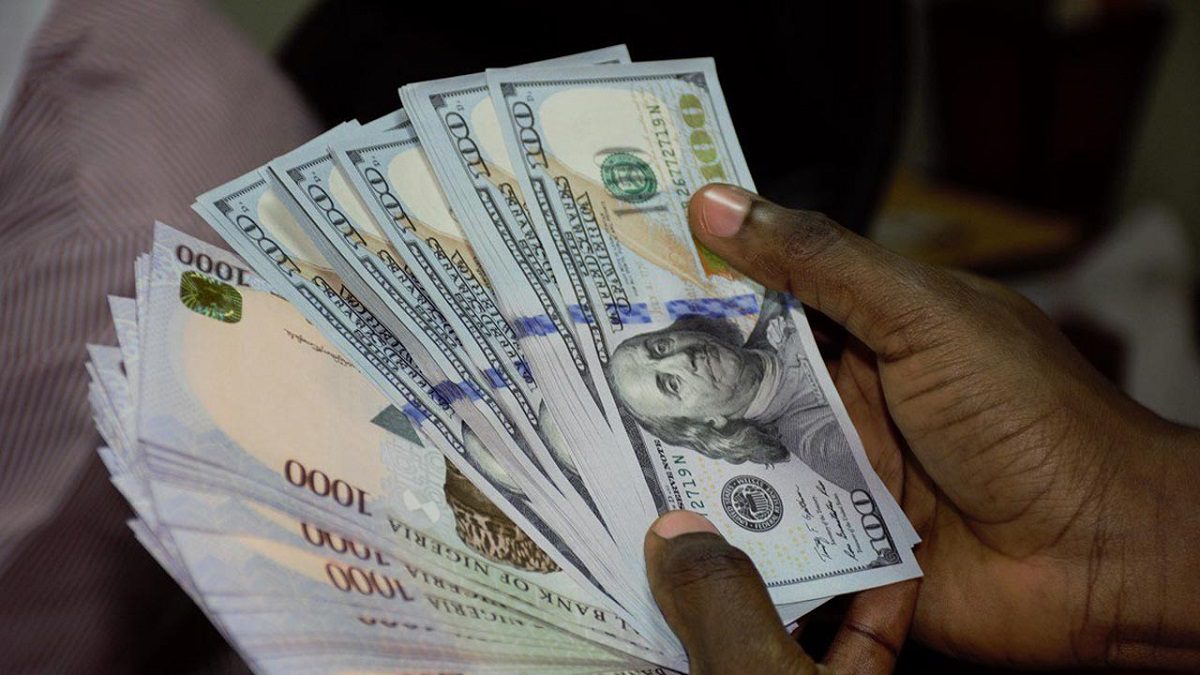

The Nigerian Naira began trading on Sunday, May 17, 2026, with no clear signs of recovery, holding within familiar ranges in the parallel market as major foreign currencies continue to dictate market direction. Hopes of a rebound following April’s performance have further dimmed, with the Dollar, Euro, and British Pound maintaining a firm advantage over the local currency.
Current Black Market Exchange Rates
As of Sunday, May 17, 2026, rates in the parallel market remain largely unchanged:
US Dollar: Buying at ₦1,385 and selling at ₦1,395
Euro: Buying at ₦1,605 and selling at ₦1,630
British Pound: Buying at ₦1,848 and selling at ₦1,885

Why the Naira Remains Under Pressure
The Naira’s continued weakness is primarily tied to persistent demand for foreign exchange across key sectors. Import-dependent businesses, international travelers, students studying abroad, and companies with foreign obligations continue to rely heavily on the Dollar, Euro, and Pound.
At the same time, forex supply remains constrained. Limited inflows, alongside cautious behavior from traders and investors who prefer to hold foreign currencies, have further tightened liquidity in the market. This imbalance between demand and supply continues to weigh heavily on the Naira, making any significant appreciation difficult in the near term.
Impact on Everyday Nigerians
The effect of a weak Naira is still being felt across households nationwide. The high cost of foreign exchange continues to drive up the prices of imported goods and services, from food items and fuel to electronics and transportation.
For many Nigerians, this translates to reduced purchasing power and increased financial strain, as incomes struggle to keep pace with rising costs. While the Naira has shown some level of stability in recent days, the lack of meaningful strengthening means that economic relief remains out of reach for a large portion of the population.
The Structural Trap of a Consumption-Driven Economy
Let’s look at this clearly: treating currency stability as a day-to-day waiting game is a symptom of a much deeper economic issue. You cannot defend a currency when your entire economic model relies on importing everything from heavy machinery to basic consumer goods while exporting raw materials with little to no value addition.
The Illusion of Short-Term Interventions
Relying on central bank interventions or hoping for a sudden drop in parallel market demand is just putting a band-aid on a gaping wound. Until Nigeria transitions from a purely consumption-driven economy to a production-driven one, where local manufacturing is robust enough to substitute imports and genuine export diversification exists, the Naira will always be at the mercy of the Dollar, Euro, and Pound.
Speculators and traders aren’t the primary villains here; they are simply responding to a market that lacks structural liquidity. For small business owners and everyday citizens, watching the daily ticker is exhausting because it directly dictates the cost of living. True economic relief won’t come from favorable morning market “vibes”; it will only come when structural policies prioritize local production capacity over foreign reliance.