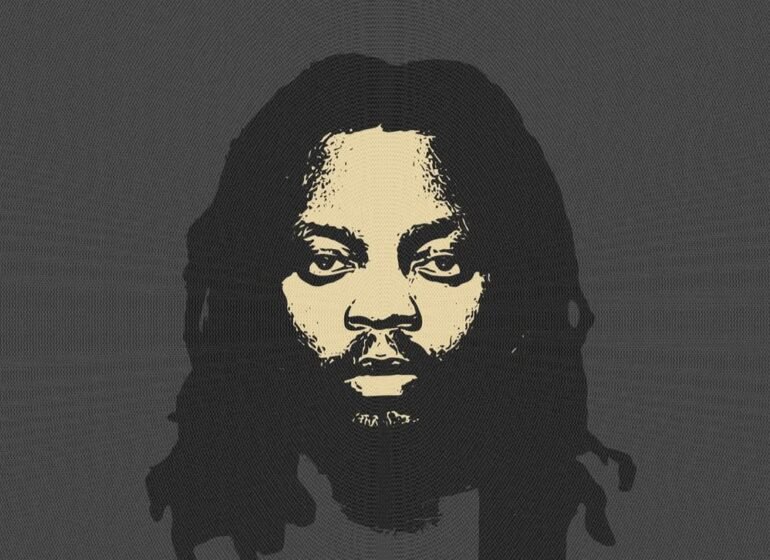

In a music industry where artists often reinvent themselves to chase international attention, Olamide Gbenga Adedeji chose a different route—he doubled down on his roots. While many leaned toward English-heavy pop and global crossover formulas, he built a career rapping in Yoruba over hard-hitting beats, turning everyday street realities into chart-topping music. That creative decision didn’t just define his sound; it reshaped the direction of indigenous rap in Nigeria and positioned him as one of the most influential voices in Afrobeats history.
Early Life And The Rise From Bariga
Born on March 15, 1989, in Bariga, Lagos, Olamide grew up in an environment that heavily influenced his storytelling style. His music would later reflect that upbringing—raw, direct, and deeply connected to street culture.

He officially broke into the industry around 2010 with the single Eni Duro, a track that immediately introduced him as a bold new voice in Nigerian rap. By 2011, his debut album Rapsodi showed that indigenous rap was not only viable but commercially powerful. Rather than conforming to mainstream expectations, he leaned into Yoruba lyricism, street slang, and relatable storytelling.
The YBNL Era And Cultural Breakthrough
The defining shift in his career came in 2012 with the release of YBNL (Yahoo Boy No Laptop), an album that became a cultural statement as much as a musical project. Songs like Voice of the Street, First of All, and Stupid Love turned him into a generational voice for young Nigerians navigating hustle culture, ambition, and survival in Lagos.
He followed up with Baddest Guy Ever Liveth in 2013, a project that produced hits such as Durosoke and Yemi My Lover, further solidifying his dominance in the industry.
By this period, Olamide was not just an artist—he was becoming a movement.
Building YBNL Nation: A Label For The Streets
Beyond music, Olamide made a defining business decision when he founded YBNL Nation in 2012 after leaving Coded Tunes. The label name itself reflected his philosophy: talent, hustle, and authenticity over shortcuts.
Over time, YBNL became one of the most influential record labels in Nigerian music. It introduced and developed some of Afrobeats’ biggest names, including Fireboy DML, Asake, Adekunle Gold, Lil Kesh, Young Jonn, Pheelz, P.Priime, and B Banks.
A major milestone came in 2020 when YBNL entered a global distribution partnership with Empire, expanding its reach to international audiences and streaming platforms.
The Hitmaker Behind The Hits
Olamide’s influence extends beyond his own discography. He has contributed to the success of several major Nigerian artists through writing, collaborations, and mentorship.
He was involved in songwriting for Tiwa Savage’s comeback era, contributing to tracks like 49-99 and Owo Mi Da. In later years, his collaboration with Asake produced standout records, including Amapiano (which earned Grammy recognition) and Lonely At The Top, a song that crossed massive streaming milestones across Spotify and Audiomack.
Awards, Recognition, and Global Status
In 2025, Billboard named him a Global Power Player, acknowledging his impact not just as an artist but as an industry architect.
His albums—from Carpe Diem to Unruly and Ikigai—reflect consistent evolution without abandoning the street identity that built his career.
A Label Boss Who Builds Instead Of Competes
One of Olamide’s most defining traits is his approach to talent development. Instead of gatekeeping opportunities, he has consistently opened doors for emerging artists. Acts like Zlatan, Naira Marley, Portable, Bella Shmurda, and many others benefited from early exposure or collaboration opportunities linked to him.
For many, a co-sign or feature from Olamide becomes a career breakthrough moment.
Adekunle Gold once credited YBNL for changing his life, describing it as the turning point that exposed him to international opportunities.
Quiet Philanthropy And Industry Impact
While not always publicized, Olamide’s influence also extends into financial support and mentorship. He has been associated with investments in upcoming creatives, including artists, producers, skitmakers, DJs, and digital creators.
Reports and industry accounts suggest he has supported multiple talents with significant financial assistance, while also prioritizing reinvestment into music infrastructure—funding production, artist development, and creative growth.
His approach to philanthropy is often described as structural rather than performative: creating systems that allow others to succeed rather than public displays of giving.
A Shift Toward Self-Focus And Longevity
In recent years, Olamide has spoken about entering a more intentional phase of his career, focusing on personal growth after years of building others alongside himself. It reflects a shift from constant expansion to sustainability and balance.
Legacy Of Consistency And Cultural Identity
From Bariga to global recognition, Olamide’s journey represents more than personal success. It reflects the rise of indigenous rap, the power of local storytelling, and the evolution of Afrobeats into a global force.

As an artist, he gave voice to the streets. As a label executive, he built careers. As a cultural figure, he proved that authenticity can be a global currency.
In an industry often driven by trends, Olamide’s legacy is built on something rarer—consistency, influence, and an unshakable connection to his roots.