
From the newsroom to a prison cell, Jimmy Lai’s 20-Year Sentence now stands as one of the clearest signs of how far Hong Kong has moved from its old freedoms. Jimmy Lai, once one of the city’s loudest media voices and a fierce critic of Beijing, has been sentenced to 20 years in jail. The ruling closes a long and painful chapter, not just for Lai and his family, but for Hong Kong itself.
This case is not just about one man. It raises hard questions about free speech, the press, and how power is now exercised in the city.
The Case That Changed Everything
Jimmy Lai, 78, was sentenced after being found guilty on two counts of conspiracy to collude with foreign forces and one count of publishing seditious materials. These charges fall under Hong Kong’s national security law, the most serious legal weapon introduced by Beijing in 2020.
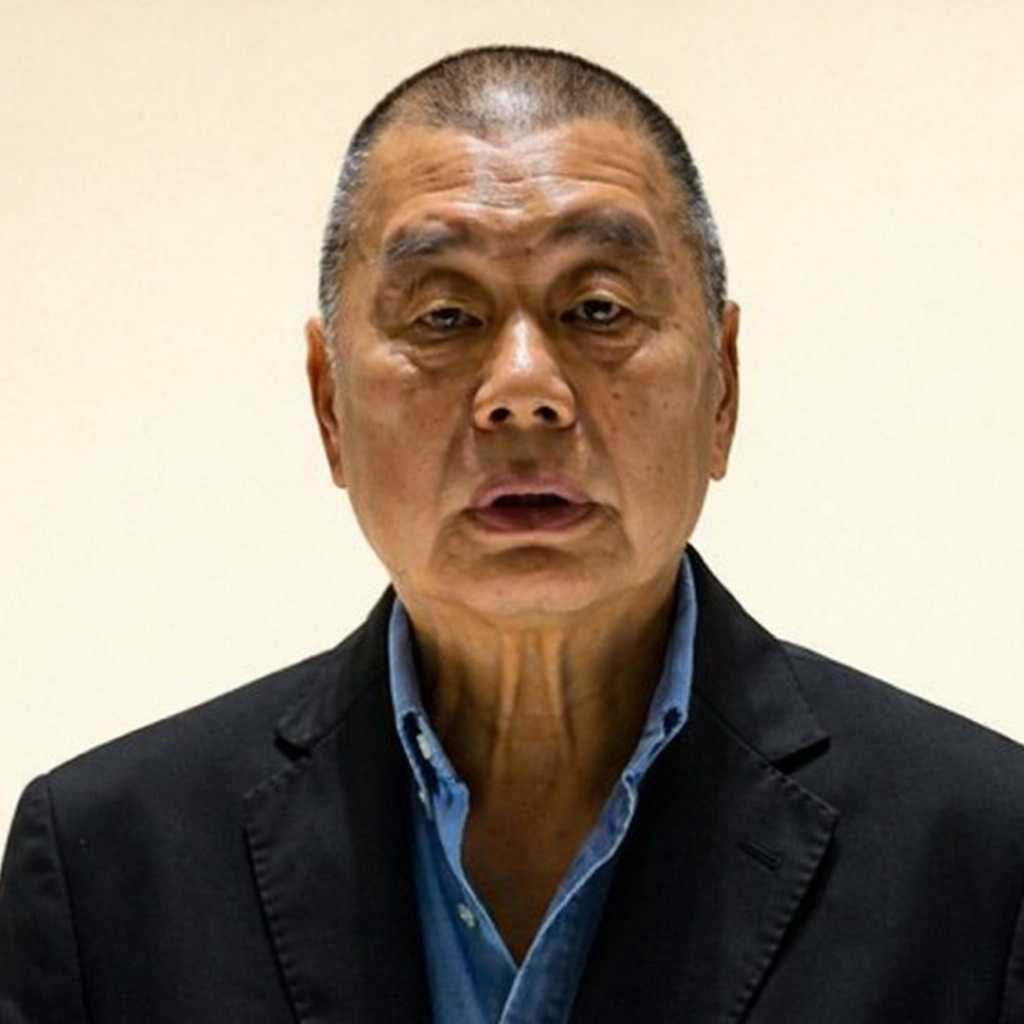
The judges said Lai played a central role in what they described as ongoing efforts to seek foreign pressure against China. They pointed to evidence that included calls for sanctions and other actions involving the United States and other countries. To the court, this made the offences “grave” and deserving of the harshest punishment.
A Man Who Refused to Back Down
Lai never accepted the charges against him. In court, he described himself as a political prisoner, targeted because of his views and his work. As the founder of Apple Daily, a newspaper known for its bold criticism of Beijing, Lai became a symbol of resistance for many Hong Kong residents during and after the 2019 protests.
Apple Daily has since been shut down, its staff arrested or jailed, and its offices closed. Several former senior staff members were also sentenced to prison terms ranging from six to ten years. What was once a loud media organization is now silent.
Global Reactions and Sharp Divides
The sentence quickly drew reactions from outside China. The United States, Britain, the European Union, Australia, Japan, and others expressed concern and called for Lai’s release. U.S. officials described the ruling as unjust and tragic, while British voices raised fears about the collapse of the rule of law in Hong Kong.
On the other side, Beijing and Hong Kong authorities defended the decision. Officials said the sentence sends a strong message that national security laws will be enforced fully. Hong Kong’s leader, John Lee, went as far as calling Lai’s actions serious crimes, insisting the trial was fair and lawful.
Health Fears and a Family’s Pain
Beyond politics, there is a human side to this story. Lai’s family has openly said they fear he may not survive prison. He is known to have diabetes and high blood pressure, and supporters say his health is failing.
His son, Sebastien Lai, called the sentence devastating and said it marked the total breakdown of Hong Kong’s legal system. He warned that without urgent action, his father could die behind bars. Hong Kong police, however, dismissed these fears, saying his condition has been exaggerated.
What This Means for Hong Kong
The national security law, introduced after the 2019 protests, has changed how justice works and what is considered acceptable speech.
Supporters of the law argue that it restored order after months of unrest. Many say it has crushed opposition, silenced the media, and scared people into silence. Lai’s case sits at the centre of this debate.
A Symbol That Will Not Fade
Jimmy Lai may now be in prison, but his case will not disappear quietly. For his supporters, he remains the conscience of Hong Kong. For the authorities, he is proof that no one is above the law.