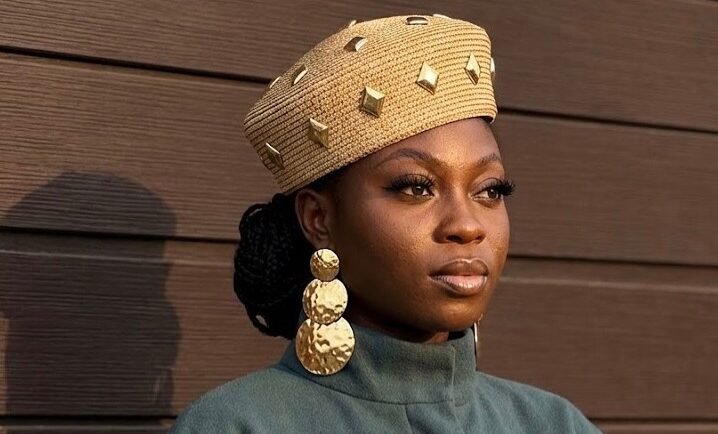

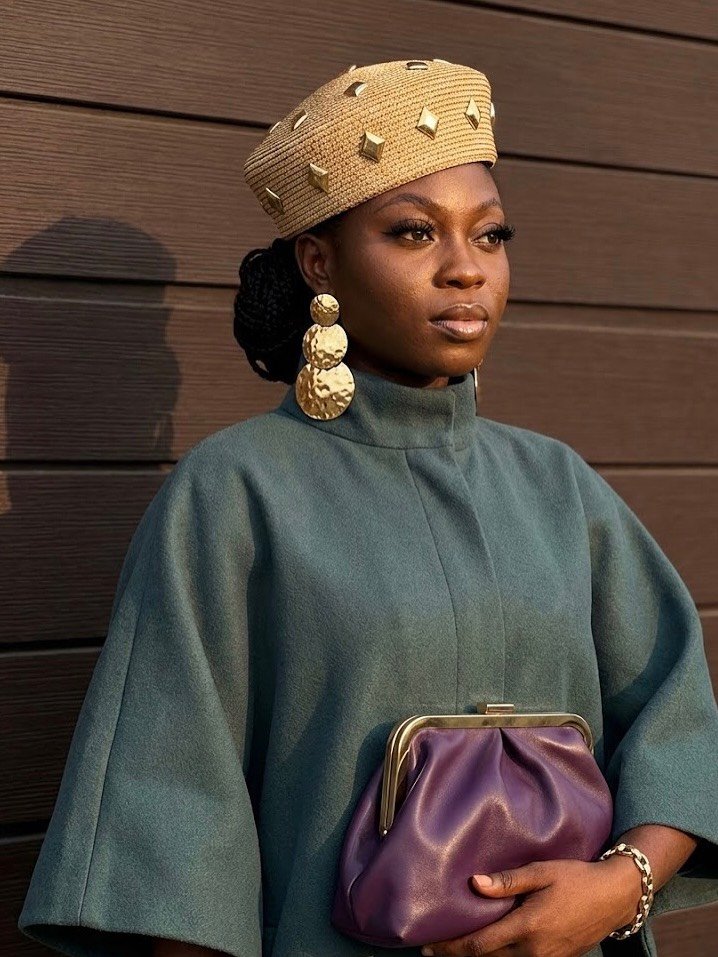
The film industry has always been a space where stories find their voice and cultures find expression, and in recent years, new creatives have continued to reshape that narrative from unexpected places. Today, Federal Character brings into focus one of such voices, Omoniyi Olajumoke Christianah, a filmmaker, producer, and graduate of Del-York Creative Academy, whose work within the Yoruba film industry and beyond reflects both passion and purpose, as she builds platforms and opportunities from the ground up in Ondo State.
Interview Questions & Answers
- As the founder of COJIFF, what inspired you to create this platform, and what gap were you aiming to fill?
The vision for Coj International Film Festival was born out of both passion and observation. As a creative from Ondo State, I noticed a major gap; there are very limited platforms that recognize and promote filmmakers from this region.
Many talented individuals in Ondo State have stories to tell but lack exposure, structure, and industry access. Beyond that, filmmaking is still not widely seen as a viable career path here, which discourages many young creatives from pursuing it seriously.
COJIFF was created to change that narrative—not just as a film festival, but as a multi-dimensional creative platform. Alongside film screenings, it also features a creative market and fashion showcase, bringing together filmmakers, designers, artists, and entrepreneurs in one space.
More importantly, this initiative is a call to action. There is a strong need for government bodies, private organizations, and brands to invest in the creative industry, especially at the grassroots level. Supporting platforms like COJIFF will not only empower young creatives but also create sustainable opportunities and position Ondo State as a thriving creative hub.
- You run a free film school through Cojplanethub Art Institute—what challenges have you faced, and what impact has it made?
Running a free film initiative through Cojplanethub Art Institute has come with its own realities. One of the biggest challenges is mindset—many young people are interested, but there is still a strong doubt about filmmaking as a sustainable career.
Because of this, enrollment and commitment can be difficult, as people tend to prioritize more “conventional” paths. In addition, limited resources and a lack of proper training facilities also affect how much we can currently do.
However, the vision remains strong. Even at this stage, we are building awareness, creating interest, and gradually nurturing a new generation of creatives who are beginning to see possibilities in the film industry.
This is more than a school; it is a movement to shift perception and open minds.
- Your work spans filmmaking, acting, production, and social advocacy—how do you balance creativity with your mission to empower the girl child and widows?
For me, it is not about separating creativity from advocacy; they are deeply connected.
Through my work in film and storytelling, I reflect real-life issues, especially those affecting women, young girls, and widows. My stories are not just for entertainment; they are tools for awareness and social change.
At the same time, my advocacy work allows me to reach people directly, beyond the screen. Both paths complement each other; my experiences in society shape my stories, and my stories amplify my mission.
- Having worked with the Ondo State Ministry of Culture and Tourism, how do you see the role of film festivals and the arts in promoting culture and tourism?
My experience as a guest artist with the Ondo State Ministry of Culture and Tourism gave me valuable insight into the cultural strength of Ondo State.
I strongly believe that film festivals and the arts have the power to transform how our culture is seen and experienced. Even though COJIFF is still growing, the long-term vision is to create a platform that attracts attention to our stories, our heritage, and our creative talents.
With the right investment and collaboration from government and private sector stakeholders, initiatives like COJIFF can significantly boost tourism, create employment, and strengthen the creative economy. It is important that we begin to see the arts not just as entertainment, but as a serious driver of development.
- As a woman leading major creative and social initiatives, what advice would you give to young women aspiring to build careers in filmmaking?
My advice is to start, even if it feels small or uncertain.
You may not have all the resources, support, or validation at the beginning, but consistency and belief in your vision are key. The journey can be challenging, especially in environments where creative careers are not fully understood or accepted.
But your voice matters. Your story matters.
Keep learning, keep creating, and don’t be afraid to stand out. With time, growth, and persistence, opportunities will come.