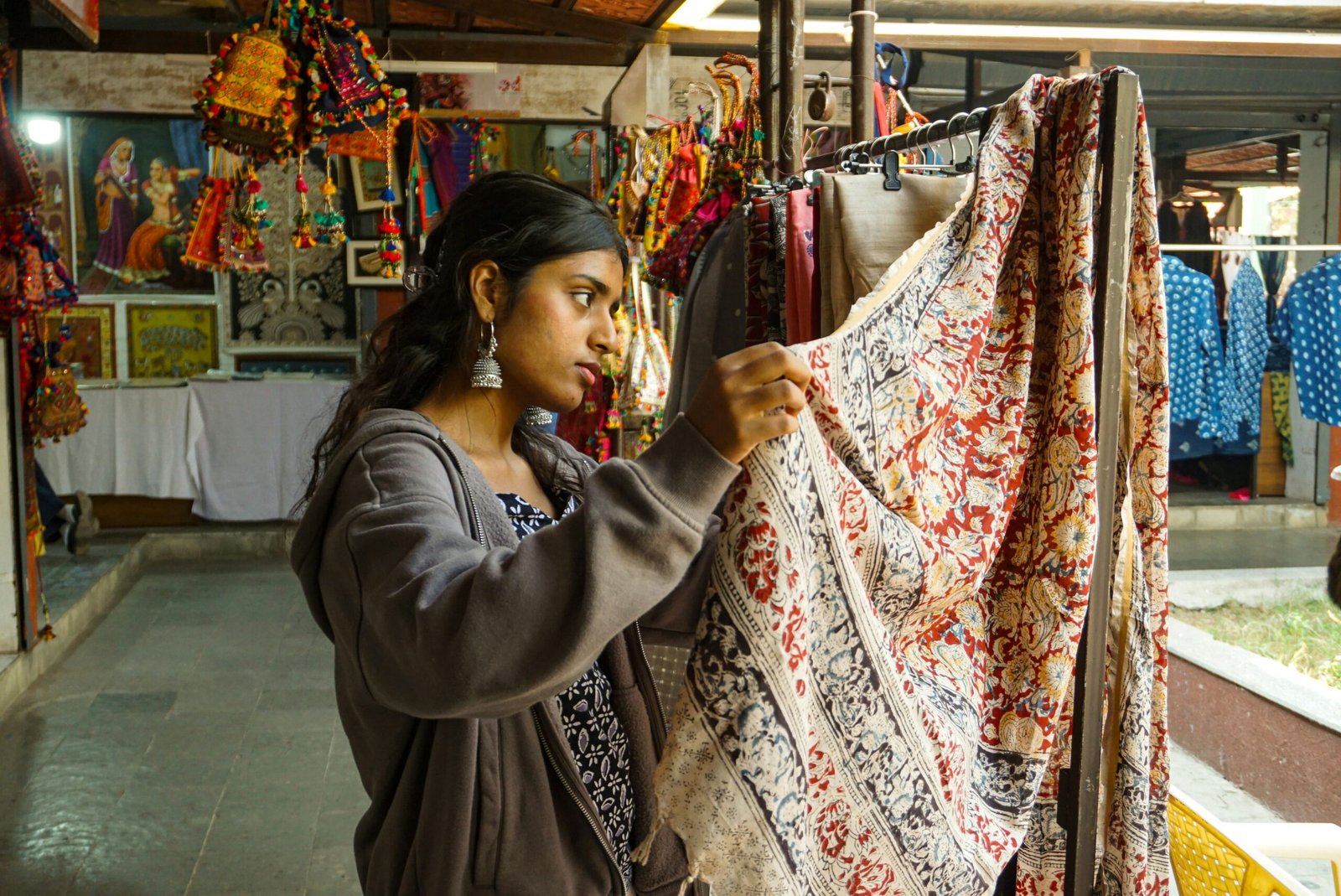

Astha Chhetri used to work a call centre job that paid badly and made her miserable. Now she wakes up before sunrise and grabs her phone. She checks supplier lists, tracks shipments, and prepares stock for her online store. By evening, she’s still on that same phone, photographing clothes, filming reels, and answering customers.
She doesn’t clock in anywhere anymore because her side hustle is now the real hustle.
“I was not enjoying my job, neither mentally nor financially,” she says. “I wanted to build something of my own.”
She’s not alone. Across India, young people are struggling to find formal work. So they’re turning to secondhand fashion. Not just to buy it. To sell it.
The market is massive. India’s secondhand clothing industry is worth about ₹33,000 crore (£2.5 billion) a year. Most buyers are students or young professionals who want affordable clothes that don’t look like everyone else’s.
“I love browsing Instagram for unique hoodies and tees,” says Ananya Khan, 21, a college student in Delhi. “I usually spend ₹800-₹1,500 per item.”
But selling? That’s a whole different game.
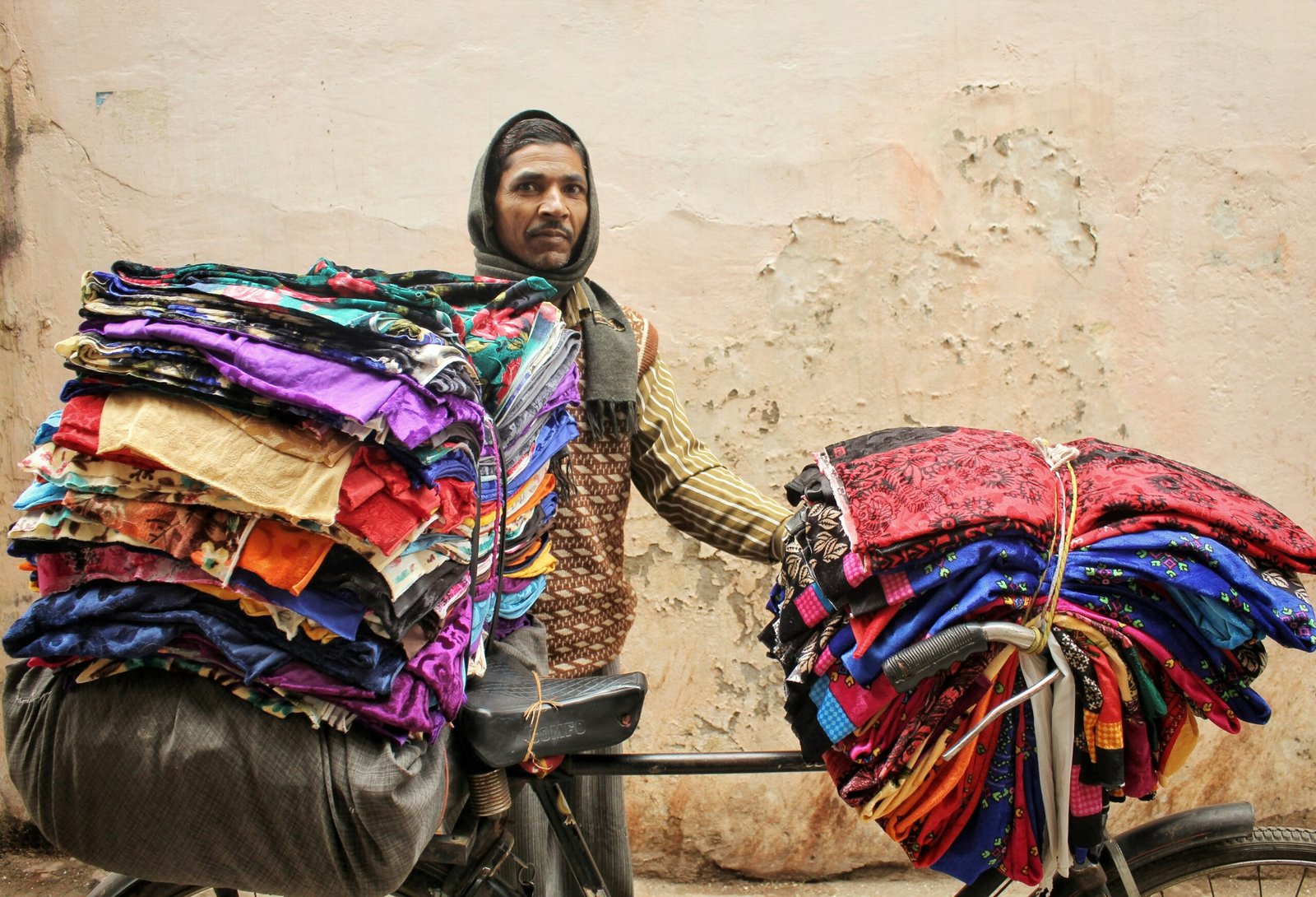
Income Is Not Fixed
Vishu Roy is 22. He runs a thrift store near Sarojini Nagar market in Delhi. He started with whatever he could save — about ₹5,000 to ₹10,000 — plus some help from family.
“I saw people buying old clothes in markets and realised they could be resold,” he says. “Now, it is my main income.”
He spends six or seven hours a day on social media. Posting. Replying. Tracking orders. “If you stop posting, you disappear,” he says. “Consistency is everything.”
There’s no contract and no fixed salary. Some months are good, others? Not so much.
“Some months are great, others slow,” he says. “But it is still better than waiting for a job that doesn’t come.”
Abhin Bougia, 22, started in 2021 with just ₹1,000 and his cousin. They bought a few pieces, took photos, posted them online, and called it their first “drop.”
“We started from nothing,” he says.
His income is all over the place. He once made ₹35,000 in a single day. But sometimes clothes sit for months. “Sometimes you buy stock for ₹1,500 and can’t sell it at all,” he says. “If it doesn’t move, you are stuck with dead stock.”
The Algorithm Runs Everything
Most of these sellers live and die by Instagram. Around 70% of Chhetri’s sales come from the platform. “If reach drops, sales drop too,” she says. “One bad week on the algorithm can hurt the whole month.”
Roy knows this, too. He posts constantly because one missed day can kill his visibility. “You can’t stop,” he says. “Social media is your storefront.”
Scams are everywhere. Fake payment screenshots. Buyers who vanish after getting their stuff. Returns that eat into already thin profits.
“People send fake UPI screenshots,” Bougia says. “You have to check your account before trusting anyone.”
It’s Not a Real Job, But It’s What They’ve Got.
Arup Mitra is a professor of economics at South Asian University in Delhi. He doesn’t sugarcoat it.
“This is not a gainful activity,” he says. “Young people turn to such ventures only when other productive avenues are unavailable.”
In 2025, about 10% of Indians aged 15 to 29 were unemployed. That’s millions of young people. For them, the choice isn’t between a stable job and a side hustle. It’s between a side hustle and nothing.
Chhetri now imports clothes from abroad. She pays customs and shipping. Sometimes she hires local guides when sourcing overseas. It’s expensive. It’s risky.
“If it doesn’t move, you are stuck,” she says.
There’s No Sustainability Plan
Online, thrift reselling looks like an eco-friendly movement. But most sellers are honest about what’s actually driving them.
“People buy for style, not the planet,” Chhetri says.
Roy, who sells vintage band T-shirts, agrees. “It’s mostly about fashion. Sustainability comes later, if at all.”
Most of the clothes come from export surplus or factory rejects — garments that were meant for international brands but ended up in Indian street markets. Some sellers now import directly from China and Bangladesh.
Roy breaks it down: “Surplus is factory rejects that may have a small defect. Thrifted pieces are part of export consignments. Most people don’t know the difference, but it matters for quality and price.”
It’s All A Gamble, There’s No Safety Net
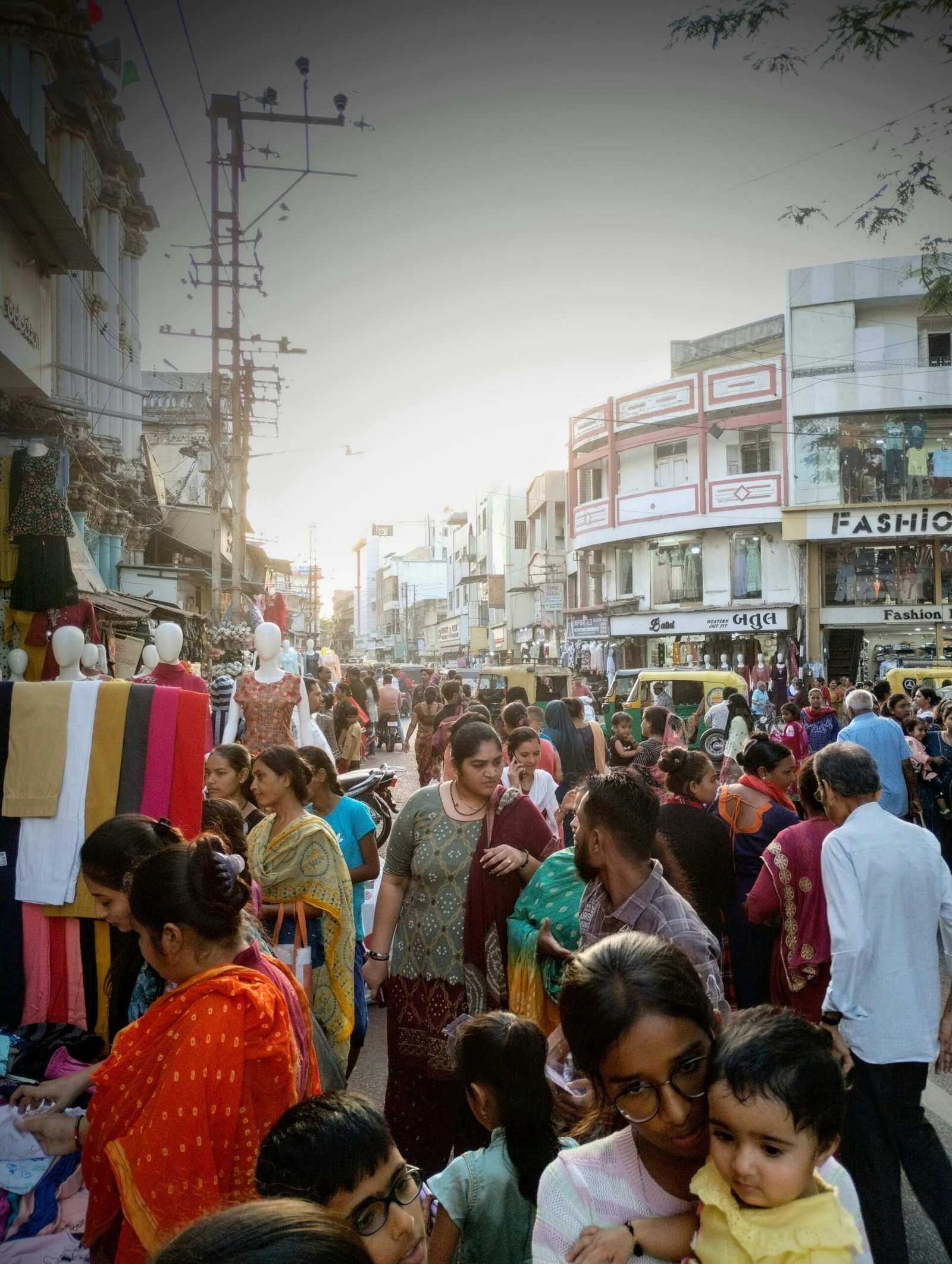
Bougia calls his business “a passion, but also a gamble.” That’s the reality. Freedom, but no stability. Creativity, but constant anxiety. Potential, but no safety net.
At the end of the day, Roy is still scrolling through messages full of price negotiations, discount requests, and sizing questions. He answers them all and plans to film another reel the next day
Chhetri, on the other hand, is packing her next overseas shipment, and Bougia is editing photos for his next drop.
“There is no certainty,” Chhetri remarks. “Every day is different — some good, some bad. But for now, it works.”