
If you’ve been paying attention to what people are actually wearing—not on runways, but on the streets, in offices, and at dinner parties—you’ve noticed the shift. Sneakers are still everywhere. But loafers are creeping into the rotation.
This is not a case of nostalgia at play. The loafer is back because the conditions that made sneakers dominant for the past decade are no longer holding. And there are the numbers to prove this.
The Market Is Growing Steadily
Let’s first start with the facts: the global loafers market was valued at approximately $35.82 billion in 2025 and is projected to reach $49.11 billion by 2033, growing at a compound annual rate of 4.1 percent. This is not explosive growth. It is steady, sustained, and significant.

By comparison, the sneaker market—while still larger—has been cooling. Multiple retailers report that while sneakers continue to drive footwear business, growth has slowed, and there is a “refocus on timeless, classic styles and colorways”.
What the Retailers Are Saying
A close review of statements from buyers at some of the largest luxury retailers reveals a rather striking consensus.
At Mytheresa, loafers continue to be the bestselling leather category, with “strong double-digit growth.” At Mr Porter, they are described as “the key footwear category for men” in what buyers call a “post-sneaker world”.
At Nordstrom, dressier styles like derbies and loafers are now considered “equally important” as casual sneakers. At Bloomingdale’s, “soft, deconstructed loafers are performing best” because they “feel relaxed but still polished”.
What these retailers are describing is a sign that the consumer have simply matured beyond the idea that comfort requires a rubber sole and a logo.
The History: Why the Loafer Endures
The loafer is not new. Its earliest form can be traced to Norwegian fishermen who wore slip-on shoes with a distinctive moc toe construction. In the 1930s, G.H. Bass introduced the Weejun, an American interpretation of that Norwegian design, and the penny loafer was born—named for the diamond-shaped cutout where Ivy League students would insert a penny for payphone calls.
What is remarkable about the loafer is not its origin but its longevity. It has been adopted by preppy elites at American universities, by British working-class Teddy Boys, and by every subculture in between. It has survived because it is adaptable, can be dressed up or down, and signals effort without announcing it.
What Makes 2026 Different
The loafer has been “in” before. But the 2026 version is distinct in several ways:
First, the silhouette has softened. Retailers report that “softly constructed loafers” and “deconstructed” styles with flexible soles are outperforming rigid, traditional designs. The shoe still looks polished, but it feels like a sneaker. This is the “hybrid” trend that buyers at Bergdorf Goodman describe as the “convergence of comfort and craftsmanship”.
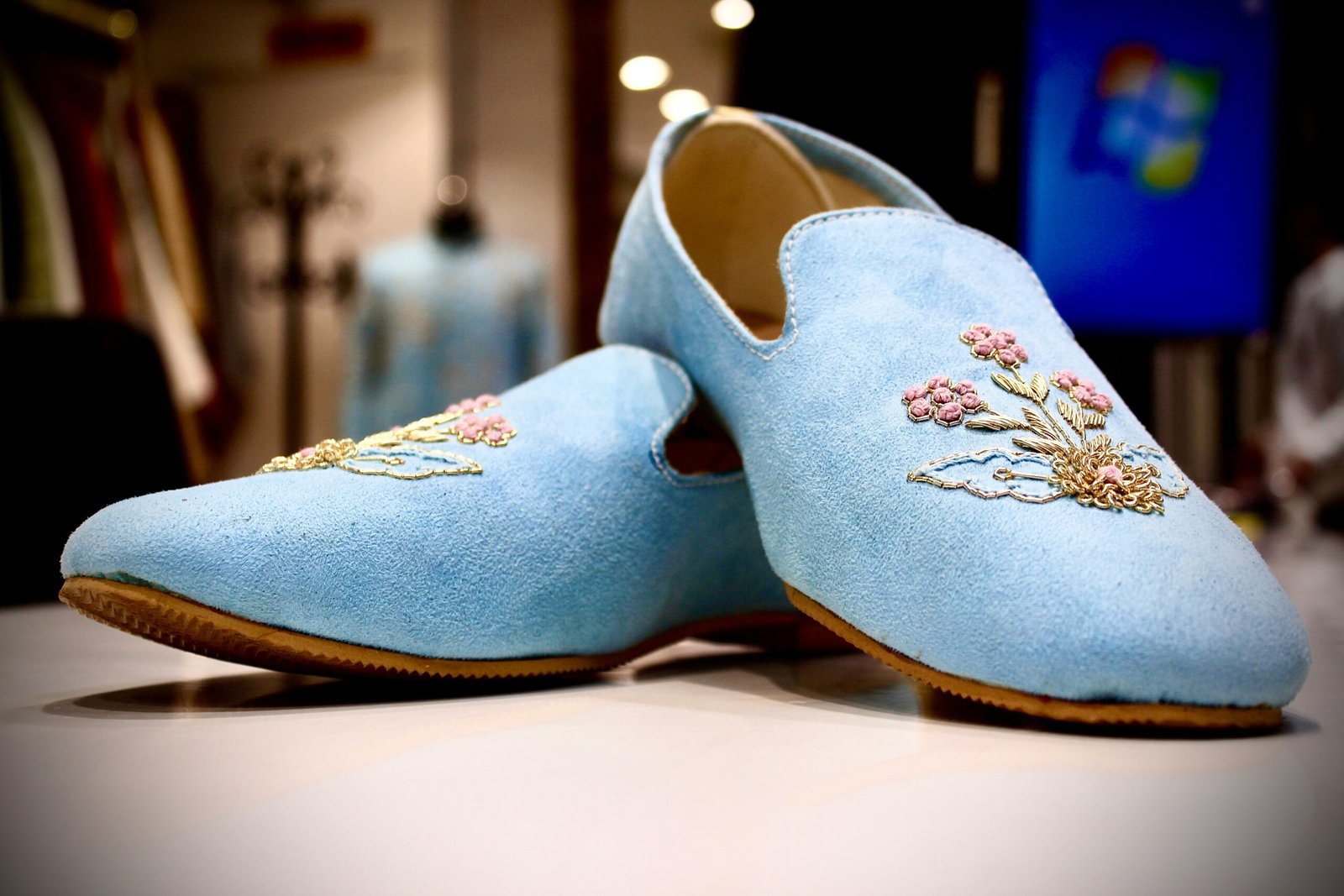
Second, material experimentation is driving interest. Suede is having a moment, particularly in men’s styles, because it requires less break-in time than leather. Eel leather and woven leather styles from brands like The Row and Bottega Veneta are bestsellers. Texture has become as important as color.
Third, color is finally breaking through. For years, loafers were black or brown. At Mytheresa, a baby blue John Lobb loafer is selling extremely well. Tom Ford’s green suede driver is also a standout. This is not about being loud. It is about moving beyond the default.
Fourth, the heeled loafer is emerging. On the Spring/Summer 2026 runways, Bottega Veneta, Celine, and Jil Sander all showed loafers with wedge or block heels. This is a direct response to women who want the polish of a pump without the pain. It is also a sign that the loafer is being taken seriously as a fashion shoe, not just a comfort shoe.
The Cultural Shift
The rise of the loafer is not happening in a vacuum. It is part of a larger movement away from the homogenization of style.
For the past decade, sneakers have been the default. They were comfortable, acceptable in almost any setting, and endlessly marketed. But their very ubiquity has become a problem. When everyone is wearing the same New Balance or Nike silhouette, the shoe stops signaling anything at all.
The loafer signals something different. It says you thought about what you put on your feet.
What Happens Next?
The loafer will not replace the sneaker. The sneaker market is too large and too entrenched for that. But the balance is shifting. Retailers report that consumers are “looking to expand their shoe wardrobes with more occasion-specific footwear choices”. Translation: one pair of sneakers is no longer enough.
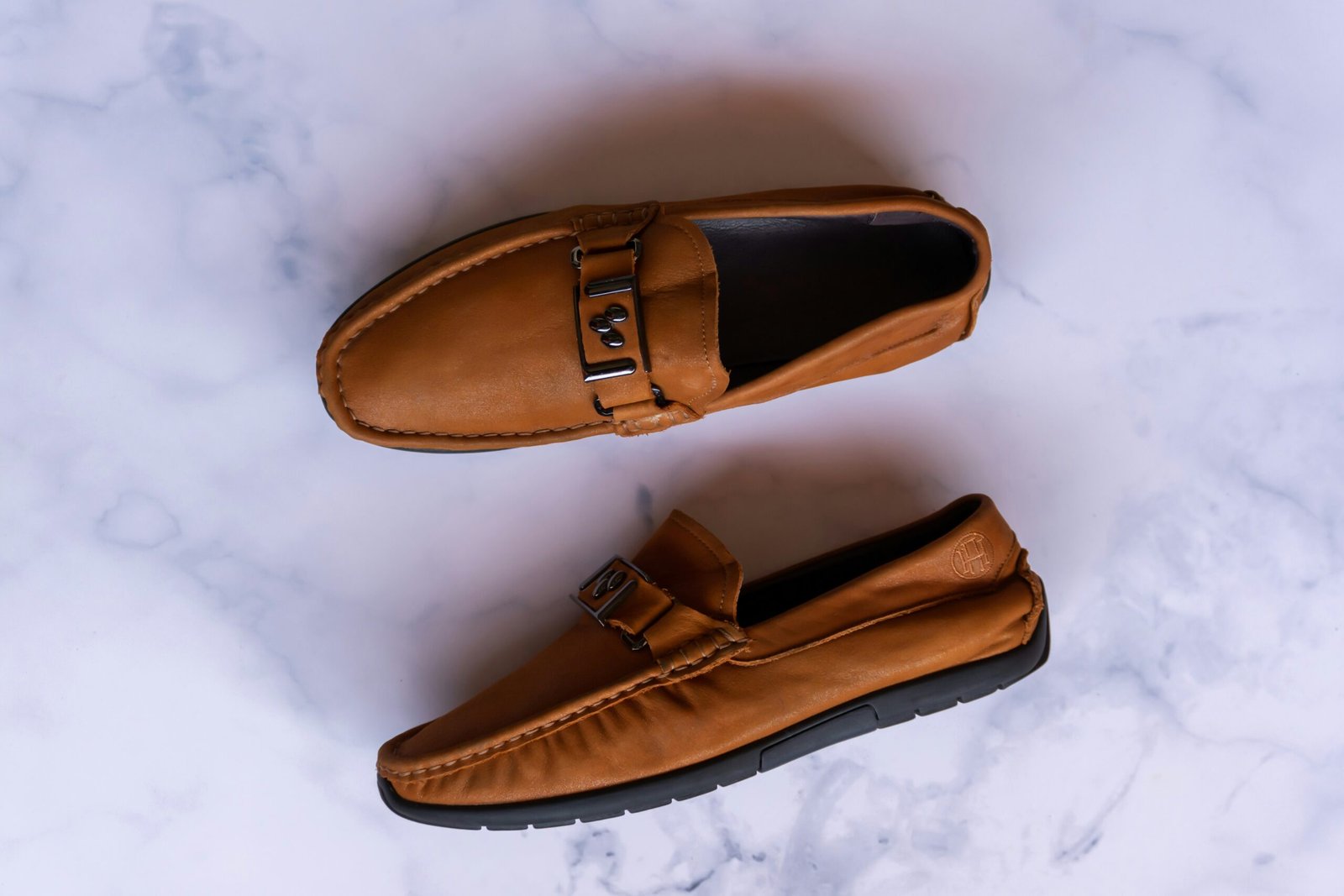
The loafer is the obvious next purchase. It is versatile enough to wear to the office, to dinner, and on a plane. It is comfortable enough to walk in, and it is distinctive enough to be noticed.