
The “Operation Epic Fury” campaign reached a critical juncture on Sunday, March 29, as high-level discussions in Pakistan were overshadowed by allegations of a secret American troop surge. Even as Saudi Arabia, Turkey, and Egypt met to discuss reopening the Strait of Hormuz, the atmosphere was poisoned by claims from Iran that the U.S. is “planning to send in troops” while simultaneously offering a 15-point ceasefire plan.
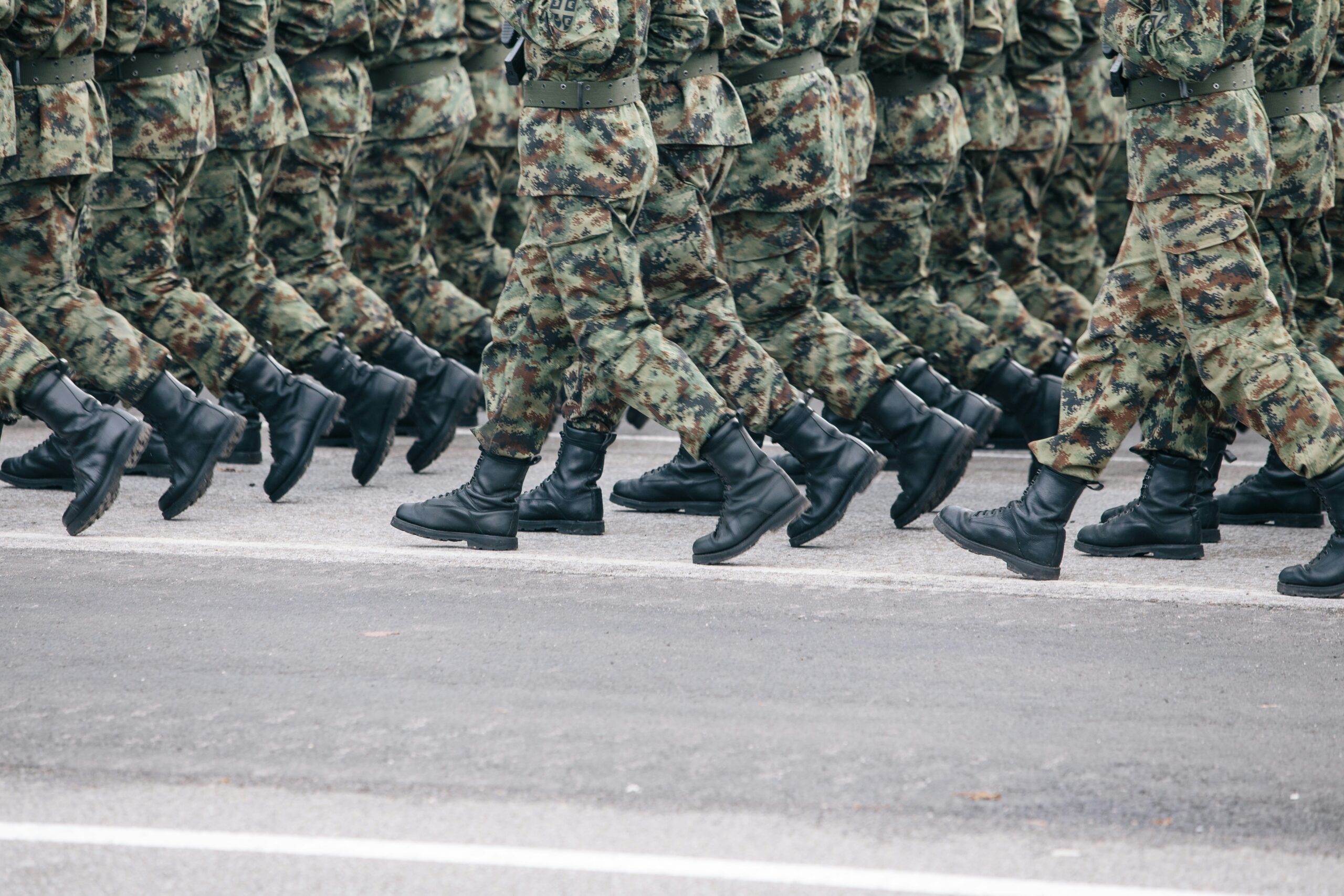
This report coincides with the arrival of the first contingent of U.S. Marines in the Middle East. While the Pentagon maintains these deployments are for “contingencies,” Iranian Parliament Speaker Mohammad Baqer Qalibaf warned that any land assault would be met with “unbreakable resistance,” stating that Tehran will never accept the “humiliation” of surrender.
A Widening Conflict
The battlefield remains active even as diplomats seek an off-ramp. Over the last 24 hours: Over 140 strikes hit central and western Iran, targeting ballistic missile sites and, according to semi-official reports, a building housing Qatar’s Al-Araby TV. Iranian missiles or debris hit an ADAMA chemical plant in southern Israel, leading to hazardous material warnings for the public near Beer Sheva. Yemen’s Houthis have officially joined the fray, launching strikes at Israel and threatening the Bab el-Mandeb Strait, a move that could paralyze a second vital global shipping route.
The “Strait of Trump” vs. Global Energy
While Pakistan has successfully negotiated the passage of 20 additional flagged vessels through the Hormuz blockade, the broader energy security of Europe and Asia remains in jeopardy.
The “Fog of War” Strategy
The reason Iran is accusing the US of ground assault plans is a calculated move to keep the American public, and the anti-war protesters currently filling U.S. streets, on edge. President Trump is facing a 36% approval rating and a looming midterm election, and a ground war is the last thing his political strategists want, but the first thing his military commanders might need to actually “obliterate” Iran’s buried nuclear sites.
By accusing the U.S. of planning an invasion, Tehran is effectively trying to sabotage the Islamabad talks before they can force a concession on the Strait of Hormuz. If the world believes an invasion is imminent, the pressure shifts from Iran to reopen the water to the U.S. to stand down its Marines. In this game of high-stakes poker, the schoolbags in the stadium and the missiles in the desert are all part of the same terrifying hand.