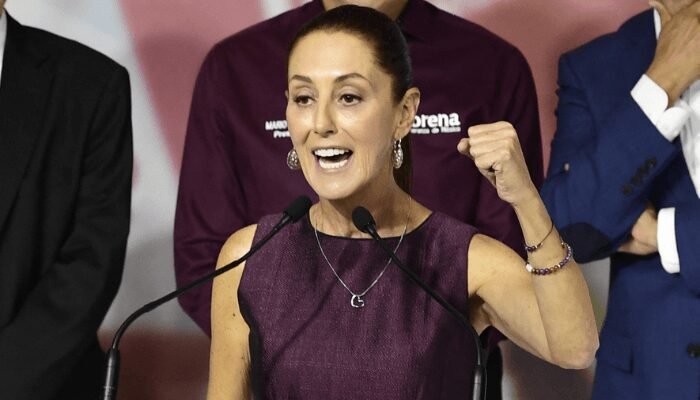

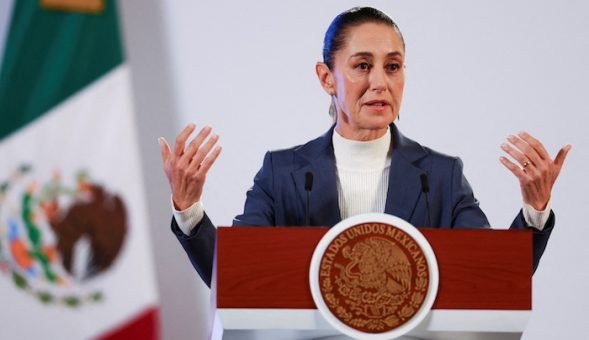
On Thursday, Mexican President Claudia Sheinbaum issued a stern ultimatum: Mexico will only extradite high-ranking officials to the U.S. if provided with “irrefutable evidence” of their links to organized crime. The statement comes just a day after the U.S. unveiled explosive drug trafficking charges against Sinaloa Governor Ruben Rocha Moya and nine other officials.
The core of the question is whether Mexico is protecting the Sinaloa cartel? Now rests on how the Sheinbaum administration handles these specific accusations against members of her own political party.
High-Level Accusations and Political Ties
The U.S. alleges that Governor Rocha Moya and other officials have been working directly with the notorious Sinaloa cartel to distribute massive quantities of narcotics into the United States. This is a particularly sensitive case for the Mexican government because Rocha Moya is a prominent member of Sheinbaum’s Morena party and was a close ally of former President Andrés Manuel López Obrador. President Sheinbaum noted that this is the first time the U.S. has made drug trafficking charges public against a sitting Mexican governor.
The officials are accused of being closely aligned with the “Chapitos” faction, led by the sons of the infamous “El Chapo” Guzmán.
The Demand for “Irrefutable Evidence”
While Sheinbaum insisted during her morning news conference that “we aren’t going to protect anyone,” she set a high bar for cooperation. She argued that if the U.S. does not provide solid proof that meets the standards of Mexican law, the charges will be viewed as a “political” attack rather than a legal one.
Governor Rocha Moya has mirrored this defense, “categorically and absolutely” rejecting the charges and labeling the U.S. indictment a “perverse strategy” intended to violate Mexico’s national sovereignty.
“Hugs, Not Bullets”
This legal standoff revives long-standing criticisms of Mexico’s security strategy. Rocha Moya was a vocal supporter of the “Hugs, Not Bullets” policy, which focused on addressing social issues rather than direct military confrontation with cartels. Many in the U.S. have often argued this approach allowed cartels like the Sinaloa faction to expand their influence and infiltrate the highest levels of government.
The U.S. indictment paints a bad picture of the cartel’s operations, alleging that associates used horrific torture methods, including electrocution and feeding victims to tigers, to maintain control.
What Happens Next?
The future of U.S.-Mexico security cooperation now hangs in the balance on a piece of paper that allegedly details bribe payments to these politicians. If Mexico refuses to move forward with the extraditions, it could signal a major breakdown in the joint effort to combat the fentanyl crisis and organized crime.
Does the demand for “irrefutable evidence” represent a legitimate push for legal due process, or is it a shield for political allies? The coming weeks will determine if the “Sinaloa Governor” case becomes a turning point in the war on drugs or a permanent rift between the two nations.