With Jerome Powell’s term set to expire on May 15, 2026, the White House was facing a legislative “hostage situation” in the Senate. By closing the investigation into headquarters renovation costs, the Justice Department drops Powell Probe to secure Trump’s Fed Pick, effectively neutralizing Republican Senator Thom Tillis’s threat to block Kevin Warsh’s confirmation until the “Powell cloud” was lifted.
The Path to Confirmation
The closure of the probe, announced by U.S. Attorney Jeanine Pirro, removes the primary obstacle for the President’s hand-picked successor. Senator Tillis had vowed to stop all new Fed appointments, creating a stalemate on the Senate Banking Committee that Warsh needed to clear. While Pirro closed the file, she noted she would “not hesitate to restart” the probe if new facts emerged, a detail critics call a “Sword of Damocles” hanging over Powell’s remaining time on the board.
Press Secretary Karoline Leavitt urged the Senate to move “as speedily as possible,” arguing that the nation’s economy should not be held hostage by DOJ disagreements.
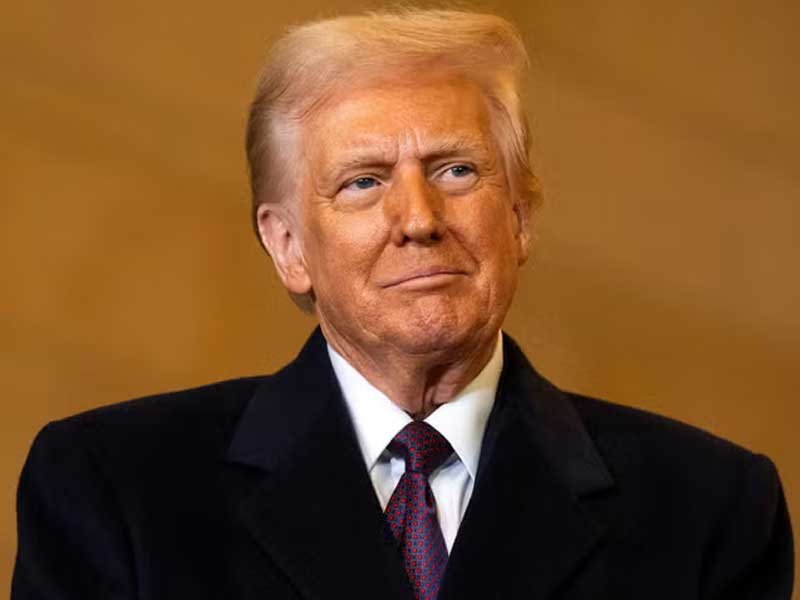
A War on Central Bank Independence?
The decision highlights the ongoing friction between the executive branch and the Fed’s traditional autonomy.
Since the start of the conflict in Iran, Trump has routinely attacked Powell for failing to cut interest rates fast enough to offset war-driven inflation. Senator Elizabeth Warren labeled the probe a political weapon, investigations to pressure Fed leadership is seen by many economists as a dangerous departure from Washington norms intended to protect the dollar from political whims.
Powell’s Next Move
Jerome Powell had previously stated he would not leave his post on the Fed’s board of governors until the investigation was finished with “transparency and finality.” While his chairmanship ends in May, Powell’s term as a governor lasts until 2028. All eyes are now on the Fed’s policy meeting next week. With UK inflation jumping and the war in the Middle East propelling energy prices, the transition from Powell to Warsh comes at one of the most volatile economic moments in recent history.